
Last updated November 14, 2026
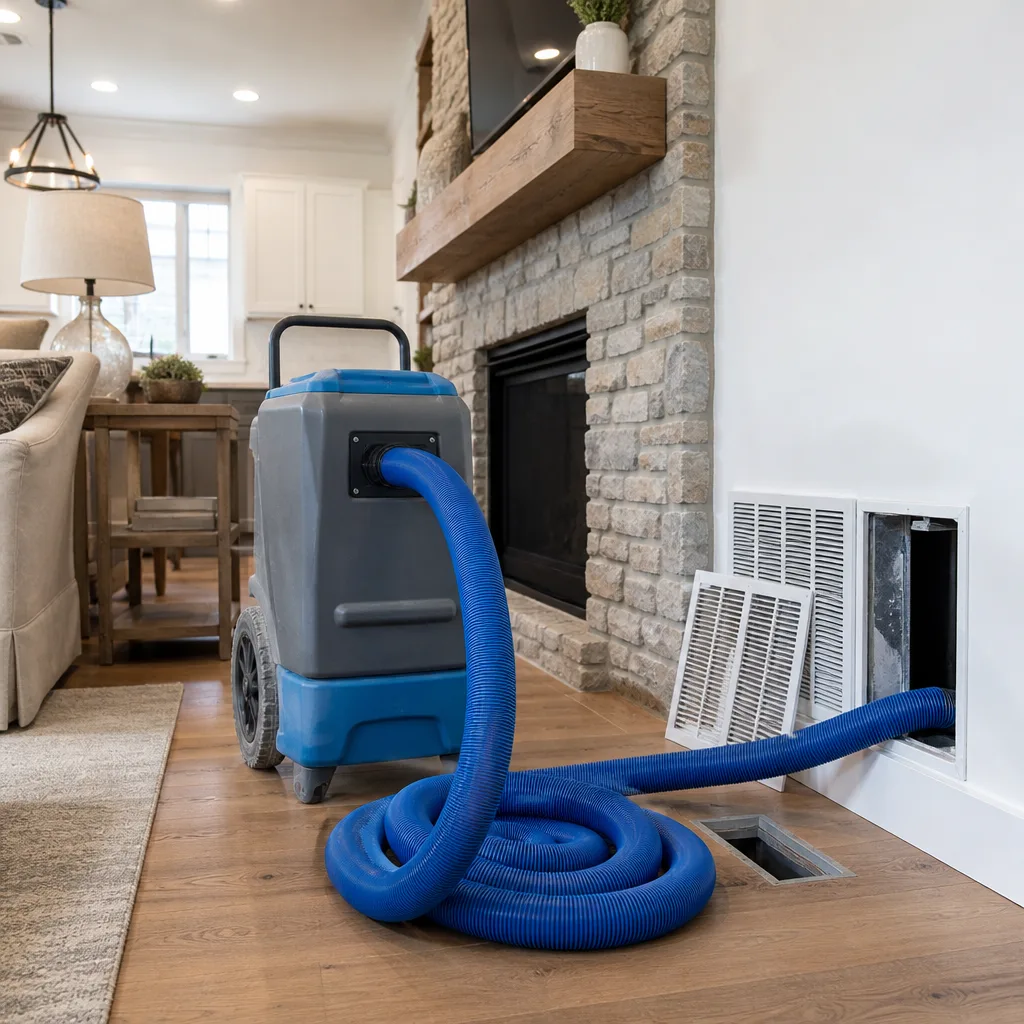 Whole-home duct cleaning
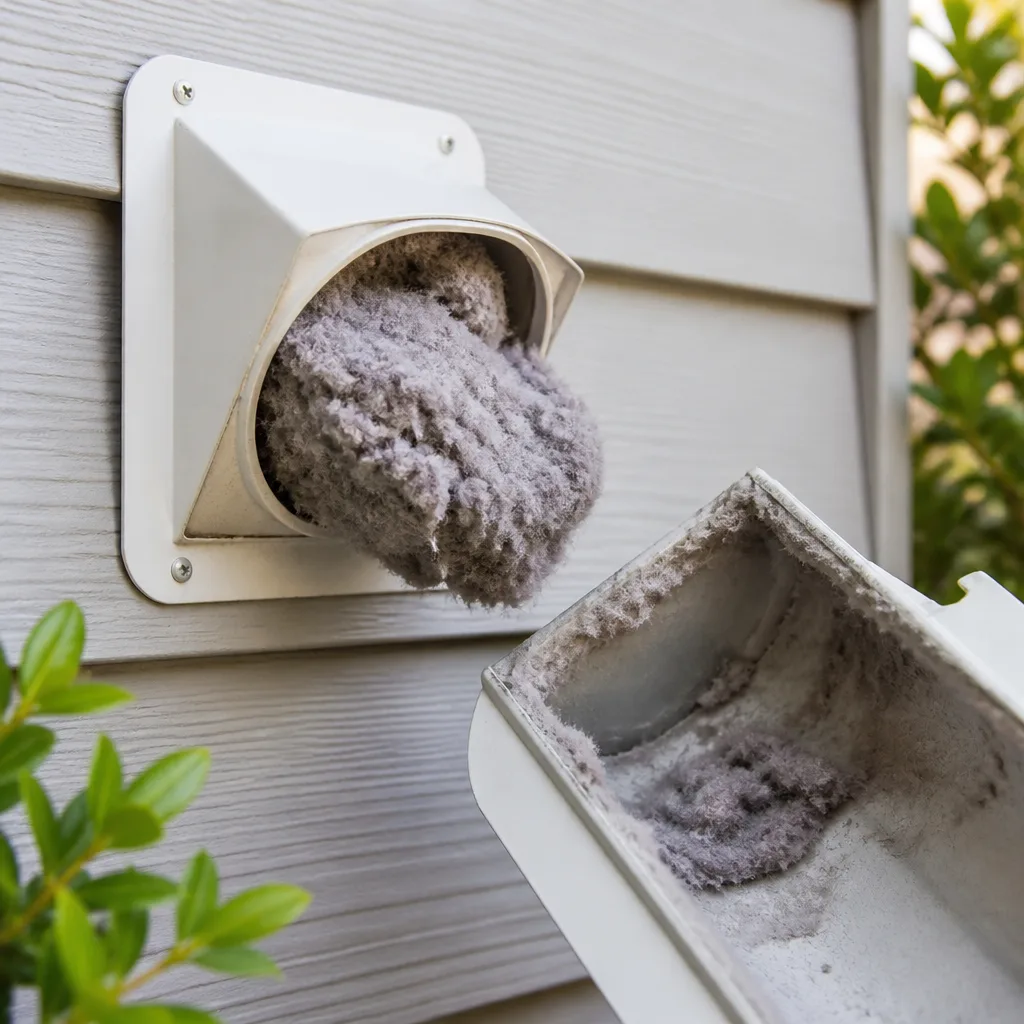 Dryer vent cleaning
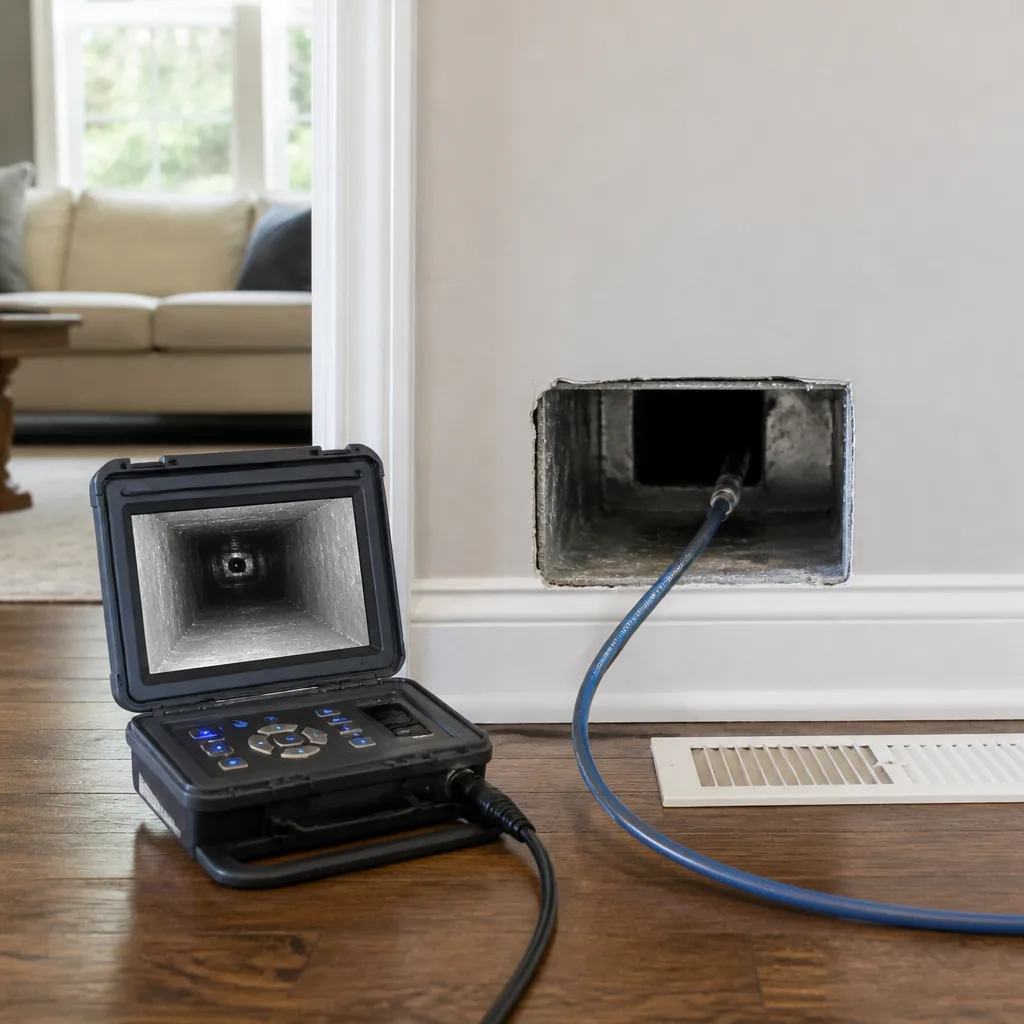 Camera inspection
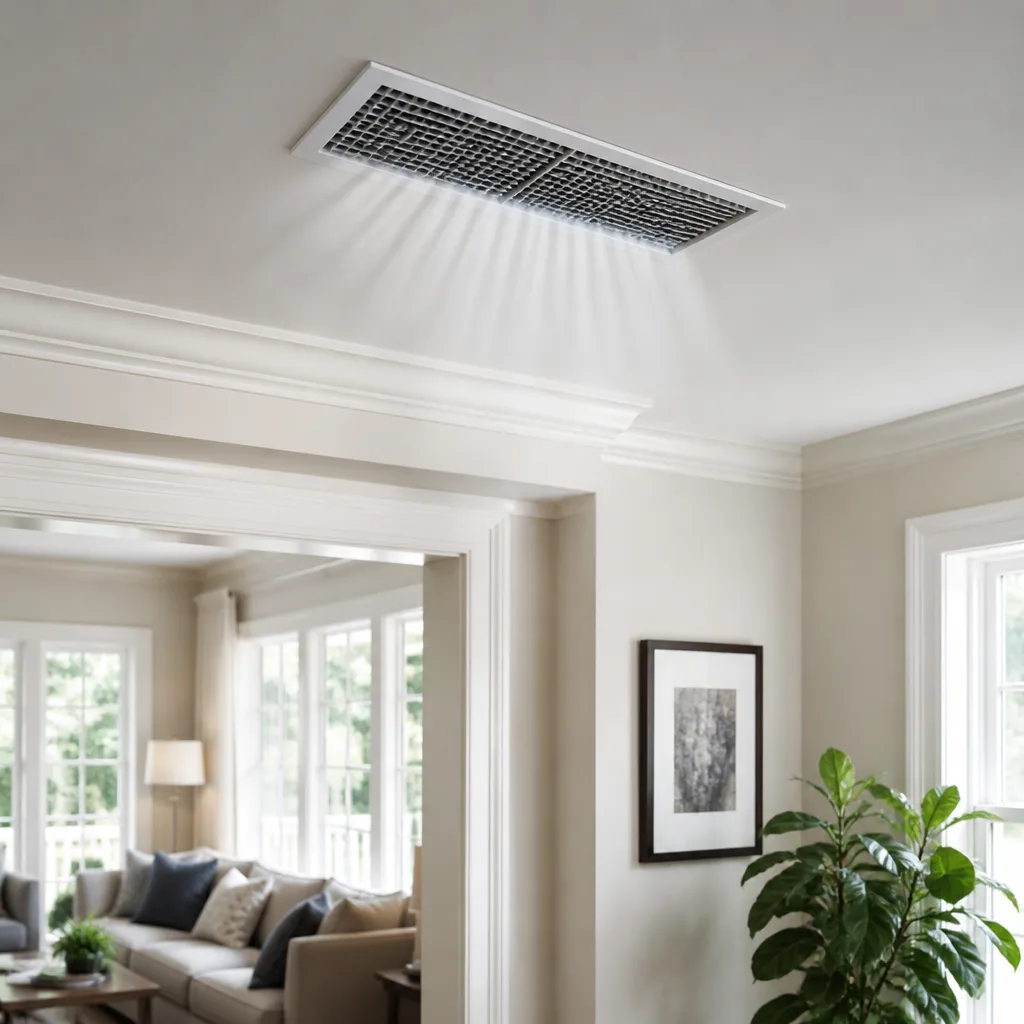 Sanitizing & deodorizing
Whole-system duct and dryer vent check with before-and-after photos - you see exactly what came out of your vents
That "$99 whole-house special" is a bait ad - the real number appears once they are in your hallway, or the "clean" is a shop-vac at the register. We photograph the inside of your ducts before and after instead.
Air Duct Cleaning Cost Breakdown: The Spokane Homeowner’s Reference for 2026
Eight dollars a vent sounds like a bargain until you count the vents. A 2,000 square foot ranch in Spokane with twenty supply registers and six return registers turns that rate into a $208 quote, and by the time “access fees,” “main trunk line” charges and a disposal line appear, the invoice reads $400 or more. The advertised number was never the price; it was the entry point. This guide breaks down what actually drives the cost of duct cleaning in Spokane, what legitimate 2026 ranges look like by home size and duct configuration, how dryer vent work should be priced on its own versus bundled, and the exact scope items to confirm before you sign off on any bid.
Quick Answer
Air duct cleaning in Spokane in 2026 typically runs $350 to $700 for a whole system in a standard single-family home, with larger or multi-zone homes landing between $700 and $1,200. Dryer vent cleaning as a standalone service usually falls between $120 and $225. The written estimate sets the final price, and anything quoted per vent rather than per system deserves a hard second look.
Styles & brands we work with
- Whole-home duct cleaning
- Dryer vent cleaning
- Camera inspection
- Sanitizing & deodorizing
Table of Contents
- Why Duct Cleaning Pricing in Spokane Is So Hard to Pin Down
- The Five Cost Drivers in Any Spokane Duct Cleaning Job
- Legitimate 2026 Price Ranges by Home Size and Duct Type
- What the Labor Hours Actually Account For
- Dryer Vent Cleaning: Standalone Cost vs. Add-On
- The Upsell Landscape: What’s Evidence-Based and What’s Margin
- How to Compare Quotes Apples-to-Apples
- Common Mistakes to Avoid
Why Duct Cleaning Pricing in Spokane Is So Hard to Pin Down
Duct cleaning sits in an unusual spot: it’s a service almost every homeowner needs eventually, priced almost entirely by phone, with almost no third-party oversight of what gets done. That combination invites two pricing tricks. The first is per-vent pricing, where a small headline number gets multiplied by the register count and then supplemented with charges that only surface on the invoice. The second is the low whole-house quote that quietly excludes access work, main trunk lines or return-side cleaning, all of which have to happen for a job to mean anything.
Spokane makes this harder than most markets. The housing stock runs from early-1900s bungalows in Browne’s Addition and Emerson-Garfield to ranch homes built across the 1960s and 1970s in Shadle Park and North Hill, to newer construction in the Moran Prairie and South Hill edges. Sheet metal, flex duct and a mix of both are all common. Nobody prices those configurations the same way, and a contractor quoting from a script rather than from your actual attic has no real basis for the number.
The result is a market where two quotes for the same house can land hundreds of dollars apart without either one being obviously fraudulent. This breakdown is written to close that gap. Here at Duct Cleaning Spokane, we see the confusion in calls every week: homeowners who assume the lowest quote wins, then wonder why the final bill tripled. It isn’t that pricing is mysterious. It’s that most quotes never show you the line items that make it up.
The Five Cost Drivers in Any Spokane Duct Cleaning Job
Every legitimate quote comes down to five variables. Ask any contractor to walk you through all five for your home and you’ll learn quickly whether they priced your house or a template.
- Square footage. Bigger homes mean more ductwork, longer runs, more registers and more time. A 1,200 square foot bungalow and a 3,000 square foot two-story are not the same job at any hourly rate.
- Duct material type. Rigid sheet metal cleans differently than flex duct. Flex has ridges that trap debris and requires gentler tooling; sheet metal handles aggressive rotary brushes better. Homes with a mixed system often need two different approaches in one visit.
- Number of system zones. A single-system ranch is straightforward. A home with two air handlers, a finished basement and separate upstairs zones triples the equipment setup and the time clock.
- Access point difficulty. This is the driver most often hidden in the fine print. Ducts behind finished drywall, a furnace in a tight closet, attic runs buried under blown insulation, or a crawlspace with a two foot clearance all add labor. Access work isn’t an add-on fee; it’s a real part of the job.
- Contamination severity. A well-kept system with light dust is one job. Ducts loaded with construction debris from a recent remodel, rodent activity, smoke residue or years of neglect take more passes, more containment and more time.
Of the five, access and contamination are where quotes diverge most in Spokane. Crawlspace and attic configurations in the older neighborhoods north of the river routinely demand more setup than a newer slab-on-grade home south of it. A quote that doesn’t mention access is either assuming the easy case or hoping you won’t ask.
Legitimate 2026 Price Ranges by Home Size and Duct Type
The ranges below reflect typical 2026 pricing for a professionally executed whole-system job. They are estimates, not commitments; the written estimate after an on-site look is what sets the final price. Treat anything dramatically below these ranges as a sign you’re being quoted for less than a whole system.
| Home Size / Configuration | Typical Range | What It Usually Covers |
|---|---|---|
| Up to 1,200 sq ft, single system | $350 – $475 | Supply and return cleaning, one main trunk, standard access |
| 1,200 – 2,000 sq ft, single system | $400 – $600 | Full supply and return, one or two main trunks, register cleaning |
| 2,000 – 2,800 sq ft, single system | $550 – $800 | Larger run count, main trunks, more access points |
| 2,800+ sq ft or two zones | $700 – $1,200 | Two air handlers, multiple trunks, expanded access work |
| Heavy contamination (remodel debris, rodents, smoke) | Add $150 – $400 | Extra passes, containment, extended labor |
| Difficult access (tight crawlspace, buried attic runs) | Add $100 – $300 | Additional setup and maneuvering time |
Two details matter when you read that table against a quote. First, return-side cleaning has to be in the scope. A job that cleans only supply registers and skips the returns and main trunk leaves the bulk of the debris in the system. Second, per-vent pricing almost always lands higher than whole-system pricing on the same home once the multiplication is done, and it rarely includes the main trunk at all.
Material differences matter less in price than in outcome. A flex-duct house and a sheet metal house of the same square footage may quote similarly, but the flex system needs different tooling and a gentler touch, and that affects how thorough the finished job can be. If you’re comparing a quote on a flex-duct home to one on a sheet metal home, you’re comparing apples to oranges.
What the Labor Hours Actually Account For
The single biggest reason a $150 duct cleaning quote can’t be a full job is simple arithmetic. A properly executed whole-system cleaning in a Spokane home routinely runs two to four hours of on-site labor for a crew of two, sometimes more on larger or heavily contaminated systems. Lay that against the hourly cost of professional equipment, drive time, setup and disposal, and the floor on a real job becomes clear.
Here’s what those hours are actually doing:
- Protecting the house. Sealing registers, covering floors, and containing the work area before any equipment turns on.
- Setting up the negative air machine. A proper job runs the duct system under negative pressure so dislodged debris goes into the collection unit, not into your living room.
- Source removal, not just surface blowing. Rotary brush and whip tools work the duct walls in both directions; that’s the step that actually removes debris rather than redistributing it.
- Main trunk line and return-side work. The big-volume ductwork where the heaviest accumulation sits.
- Register and boot cleaning. The visible parts homeowners check afterward.
- Post-job verification. Camera inspection and before-and-after photos of your own ducts, so you have proof of what was done.
When we run a job, that last point isn’t a courtesy; it’s the whole answer to “how do I know it was done?” The equipment we use – Rotobrush and Nikro rotary systems, with Abatement Technologies gear on hand for elevated containment needs – is what makes that verification possible. Professional-grade equipment, not shop-vac shortcuts, is the line between a real cleaning and a very expensive air freshener.
Dryer Vent Cleaning: Standalone Cost vs. Add-On
Dryer vent cleaning runs $120 to $225 as a standalone service in Spokane, with most homes landing in the $140 to $180 range. As an add-on to a full duct cleaning on the same visit, expect $90 to $150 in additional cost since the equipment and crew are already on site.
Treat dryer vent work as fire prevention, not housekeeping. Lint accumulates in the vent run and along the flexible transition behind the dryer, and a restricted vent traps heat and lint together. Cleaning it properly means running the full length of the vent, not just vacuuming the opening behind the appliance – a step generalists routinely skip.
Bundling makes financial sense under specific conditions:
- The duct cleaning is already booked. Same visit, same equipment, no second trip charge or setup time.
- The vent is long, roof-routed or hard to reach. Roof exits and long horizontal runs need professional tooling regardless; doing both in one visit saves the mobilizing cost twice.
- You’re in a home with an older vent run. If the duct cleaning finds debris or rodent evidence in the HVAC system, checking the dryer vent in the same visit is the efficient move.
If your dryer vent is short, straight and accessible and the duct system was cleaned recently, a standalone dryer vent cleaning is the better call. Bundling isn’t automatically cheaper for everyone; it’s cheaper when the visit is shared.
The Upsell Landscape: What’s Evidence-Based and What’s Margin
Duct cleaning is a service where well-meaning upsells and margin-driven ones sit side by side. Here’s an honest split.
Worth considering when the conditions fit:
- Duct sealing. If cleaning reveals disconnected joints or leaking seams, sealing the leaks actually improves system performance and reduces energy waste. This is a real fix, not a treatment.
- Air duct repair. Torn flex runs, crushed sections or disconnected boots found during cleaning should be repaired, not cleaned around. Cleaning a broken duct system just gives the debris a fresh place to settle. We offer air duct cleaning and air duct repair as separate services for exactly this reason: fix what’s broken on the same ticket rather than leaving you to call a second contractor.
- Filtration upgrades. If your home runs a Honeywell or Aprilaire filtration system, verifying filter condition and compatibility during the visit makes sense. Understanding air management holistically is part of a specialist’s job, not an add-on.
Where the value is thinner:
- Antimicrobial fogging. It’s often sold as an automatic part of the job. The benefit is limited to specific scenarios, and in many homes a thorough cleaning removes the contamination that a fog won’t reach. Ask why it’s needed for your system before agreeing.
- UV light installation. UV systems can help in some setups, but they’re not a substitute for cleaning and usually work better installed in the air handler by an HVAC technician than tacked onto a duct visit.
- Add-on treatments when your ducts are already clean. If a quote includes three treatments on a lightly soiled system, you’re looking at margin, not maintenance.
The rule of thumb: if the recommendation has a specific reason tied to what was found in your ducts, it deserves a look. If it’s bundled in before anyone has seen your attic, it’s a sales tool.
How to Compare Quotes Apples-to-Apples
The fastest way to compare duct cleaning quotes from Spokane contractors is to ask the same seven questions of each and see which ones falter. You don’t need technical expertise to do this. You just need a script.
- “Is this price per system or per vent?” A per-system price with a full scope is what you want. A per-vent price is designed to grow.
- “Does the scope include the main trunk line?” If the quote is silent on trunks, the answer is almost certainly no, and that’s where the bulk of the debris sits.
- “Does the scope include return ducts and registers?” Supply only is half a job. Both sides of the system need cleaning.
- “How do you handle access?” Ask whether access difficulties are built into the price or added afterward. You want the answer in writing before work starts.
- “What equipment do you use?” Professional-grade rotary systems like Rotobrush or Nikro and negative air units are the standard. A shop-vac and a brush is not.
- “Will I receive before-and-after photos?” This is the proof-of-work item. A contractor who photographs your ducts has nothing to hide.
- “Does the written estimate set the final price?” One flat price per system, agreed before work starts, with no surprises at invoice time. That’s the standard to insist on.
If you’re comparing quotes and one includes dryer vent cleaning as a bundled line item, ask for it broken out. A bundled price you can’t itemize is a price you can’t compare to anything.
Common Mistakes to Avoid
- Accepting a per-vent quote without doing the math. Count your registers and returns, multiply by the rate, then ask what else gets added. The final number is what matters, not the headline.
- Assuming the lowest whole-house quote wins. A quote that excludes trunks and returns isn’t lower; it’s smaller. Check the scope before the price.
- Skipping the access conversation. If nobody asks about your crawlspace, attic or furnace location before quoting, they haven’t priced your job. Spokane homes vary too much for a phone estimate to be reliable without those questions.
- Treating dryer vent cleaning as optional. Restriction in the vent run is a fire-prevention issue, not a chore. If it’s been a while, get it inspected in the same visit as your duct cleaning.
- Buying antimicrobial treatments without asking why. If the recommendation isn’t tied to something found in your ductwork, don’t agree to it just to get the technician moving.
- Failing to confirm the report and photos. Without before-and-after photos, you have no record of what was done. Make it a condition of the job.
- Waiting until something breaks. Clean ducts are a baseline, not an emergency repair. Checking the system on a regular cadence beats reacting once airflow drops.
See the difference
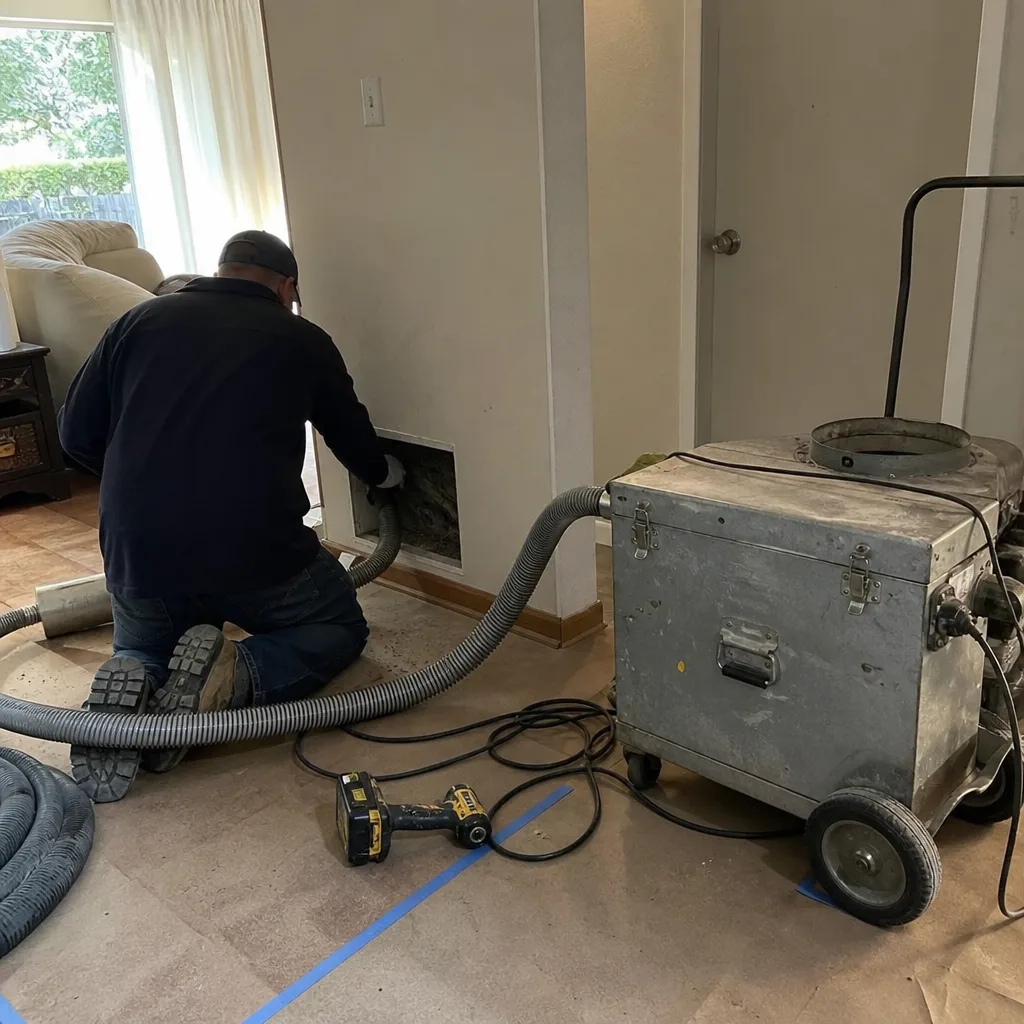 Before
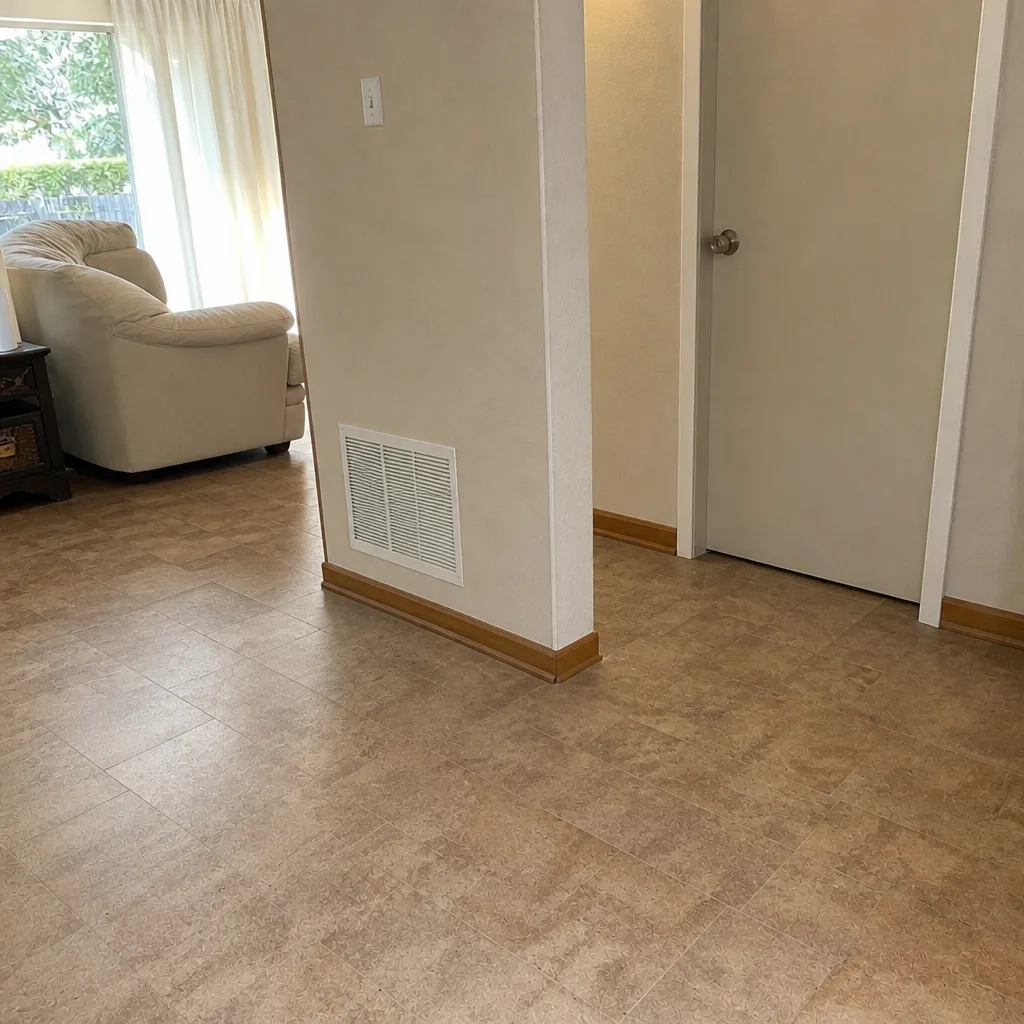 After
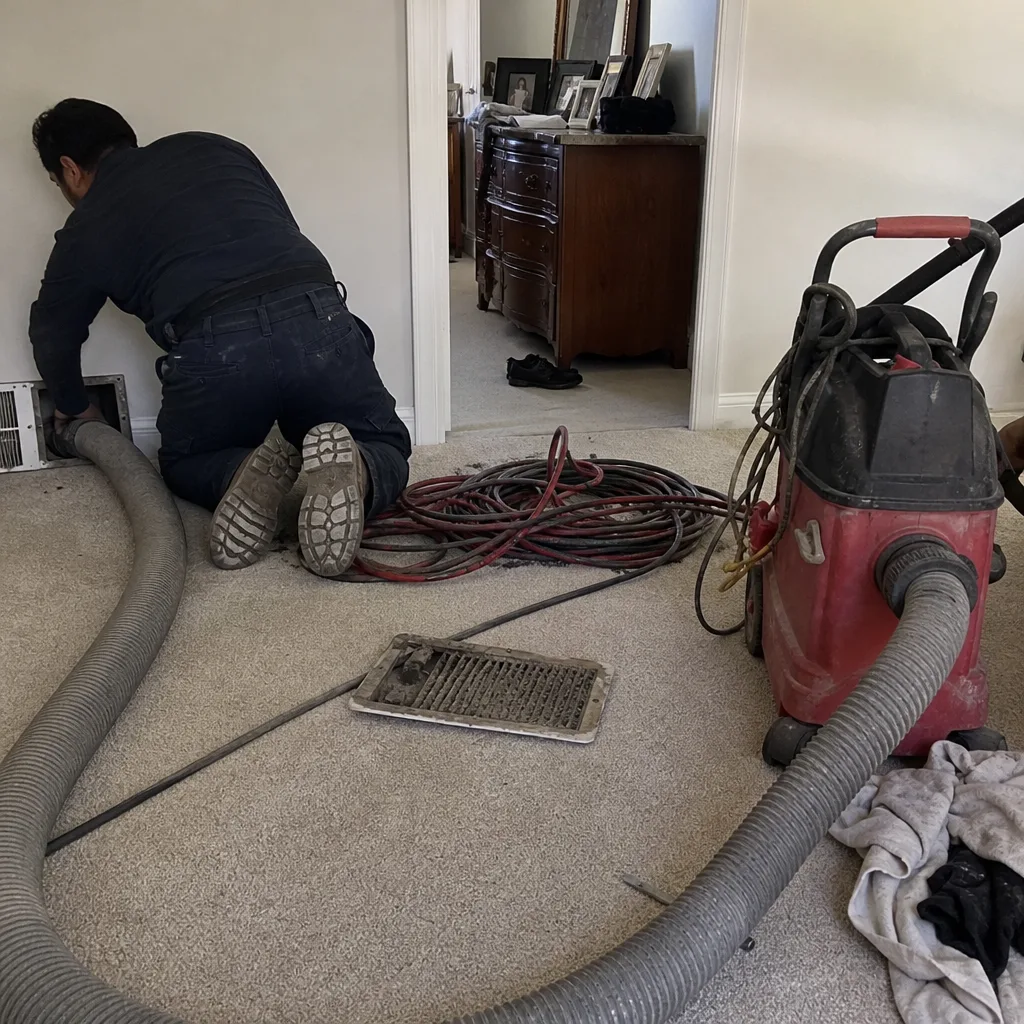 Before
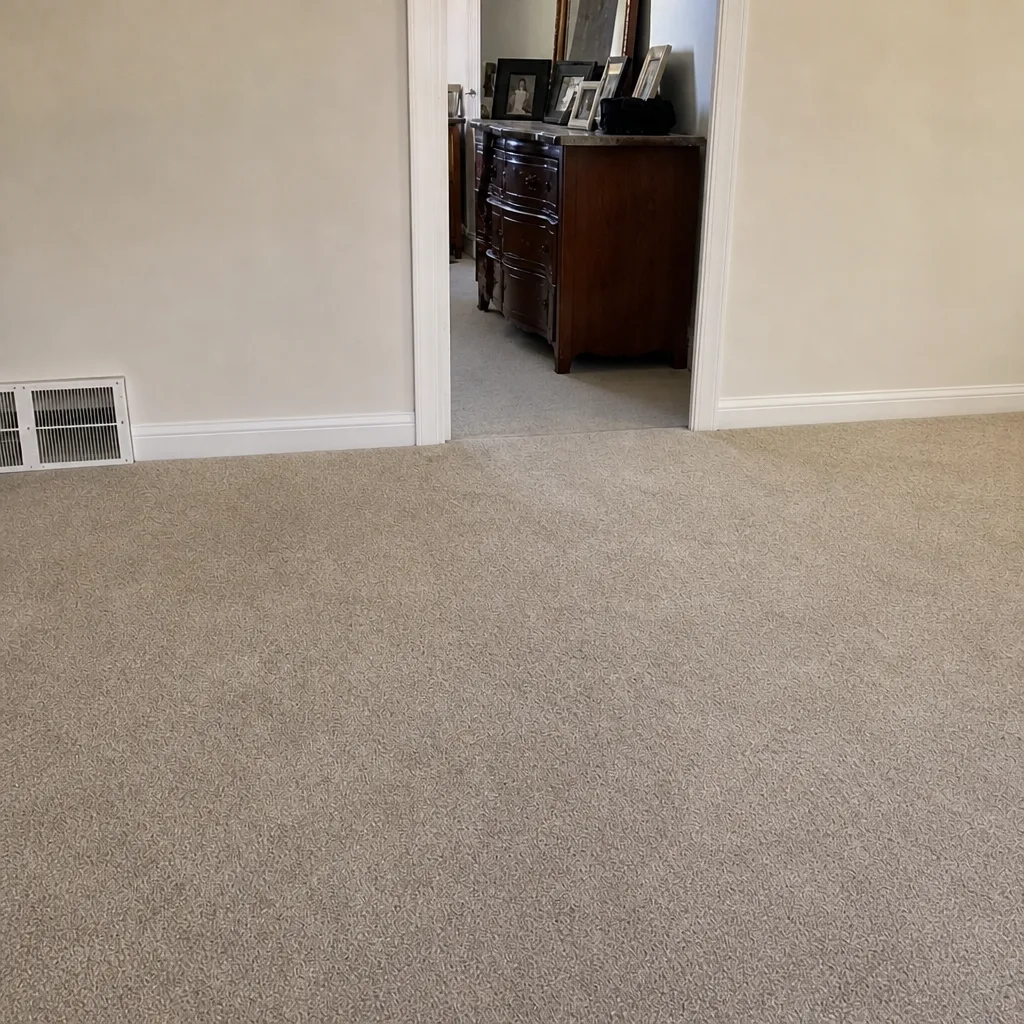 After
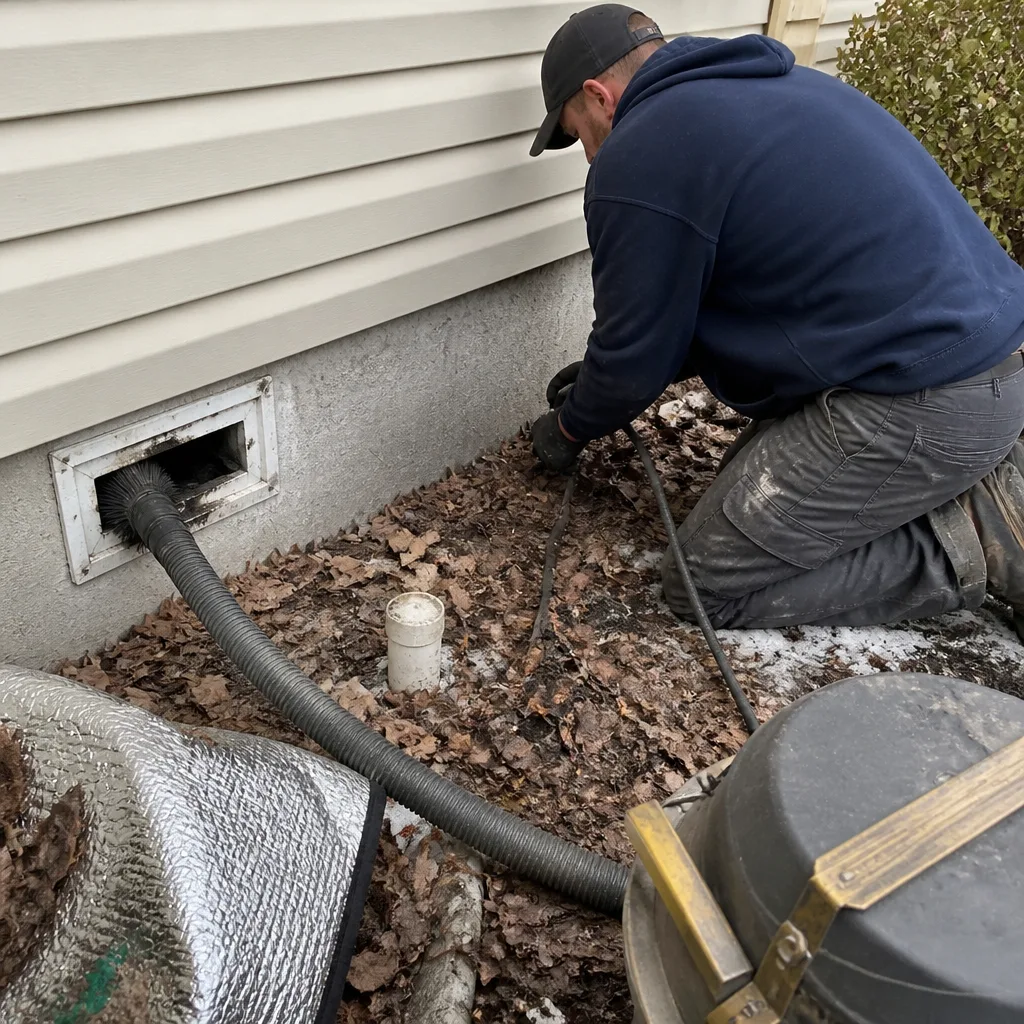 Before
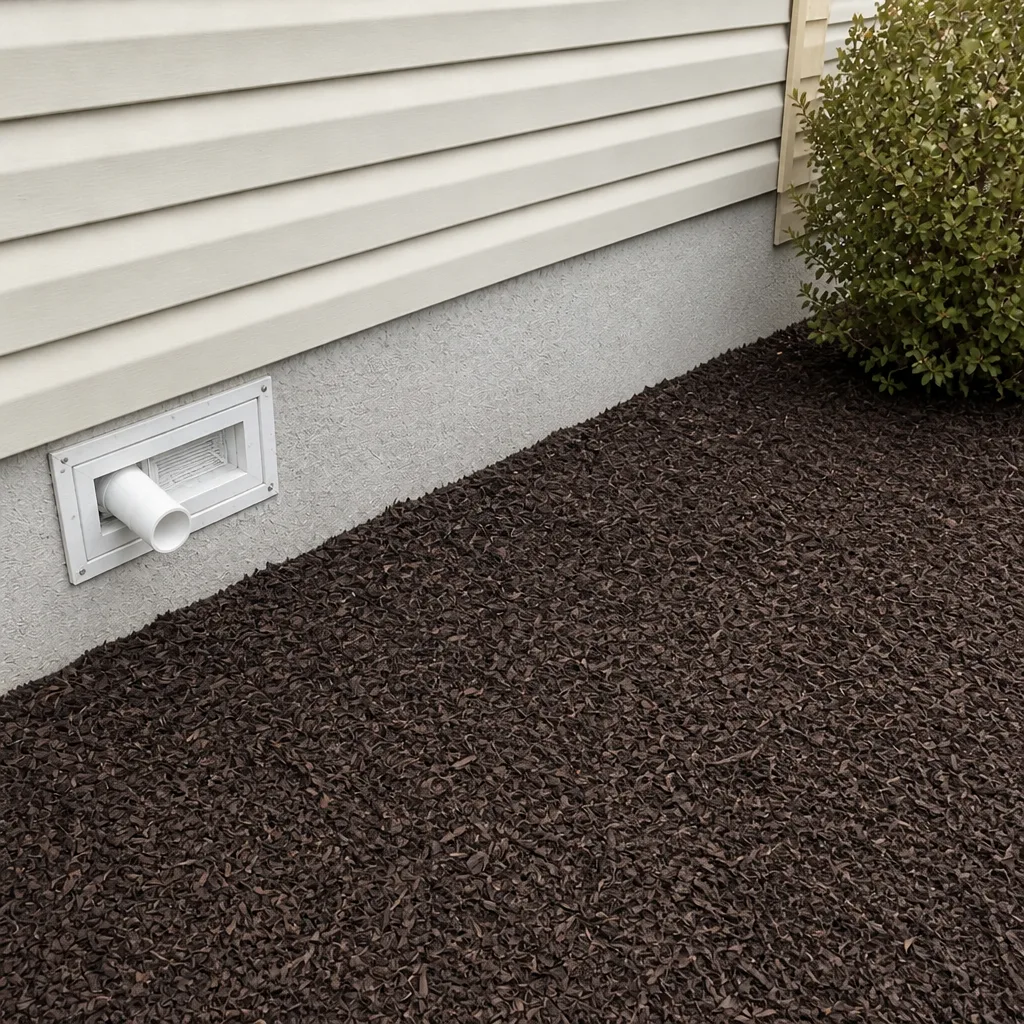 After
When to Call a Professional
Most duct cleaning is scheduled work, not emergency work, which means the decision point isn’t urgency but evidence. Call a professional when you notice visible dust streaking from registers, an airflow drop you can’t explain, musty odors when the system runs, recent water damage near the air handler, rodent activity in the attic or crawlspace, or debris left over from a remodel. Call sooner if your dryer vent hasn’t been inspected in recent memory, or if your ducts haven’t been cleaned since you bought the house and you don’t have records. For homes in Spokane with older duct systems, a first-look visit after a move is usually the right call. Duct Cleaning Spokane offers free estimates in Spokane – call (866) 963-7098. Our technicians have up to 13 years of experience, and every job is priced as one flat price per system, agreed before work starts.
Frequently Asked Questions
Typical 2026 pricing in Spokane runs $350 to $700 for a whole system in a standard home, and $700 to $1,200 for larger or multi-zone homes with difficult access or heavy contamination. Those are estimates; the written estimate you receive after an on-site look sets the final price. Call (866) 963-7098 for an exact quote – estimates are free.
Because they’re quoting less work. A low whole-house quote usually excludes the main trunk line, return-side cleaning or access time, or it’s a per-vent figure that multiplies up on the invoice. Professional-grade equipment and a crew on site for two to four hours has a floor cost. Call (866) 963-7098 and we’ll walk you through the line items on a fair quote – estimates are free.
Before-and-after photos of your own ducts are the proof. Ask for camera inspection and the photos as part of the scope before you book. Then you have a record, not a claim. Call (866) 963-7098 – estimates are free.
Most homes benefit from a cleaning every three to five years, or sooner after a remodel, a move, a rodent problem or water damage. It’s not a fixed schedule; it depends on the home, the filtration system and the contamination found. Call (866) 963-7098 for a free estimate and we’ll tell you what your system actually needs.
Usually yes, if the vent run is long, roof-routed or hard to reach, because the crew and equipment are already on site and the add-on cost is much lower than a separate visit. Standalone dryer vent cleaning in Spokane runs $120 to $225; added to a duct cleaning visit, it typically adds $90 to $150. Call (866) 963-7098 – estimates are free.
A proper whole-system price includes supply and return ducts, the main trunk line, register and boot cleaning, negative-pressure setup and a post-job photo report. It should be one flat price per system agreed in writing before work starts. Call (866) 963-7098 for a scope walkthrough – estimates are free.
The Bottom Line
Spokane duct cleaning pricing isn’t complicated once you stop looking at the headline number. Real 2026 pricing runs roughly $350 to $700 for a standard whole-system job and up to $1,200 for large or multi-zone homes, plus $120 to $225 for a standalone dryer vent cleaning. Every legitimate quote comes down to the same five drivers: square footage, duct material, zones, access and contamination. Per-vent pricing inflates, whole-house quotes that skip trunks and returns shrink the job, and upsells are worth taking only when they’re tied to something found in your ducts. The best protection is a written estimate, one flat price per system, and before-and-after photos. That’s how we do it at Duct Cleaning Spokane: clean ducts, repaired ducts, done right.
Ready to know your actual price? Call (866) 963-7098 for a free estimate. We answer 24/7. Fast dispatch from 7am to 7pm, Sunday through Friday.
Written by the team at Duct Cleaning Spokane.