
Last updated November 14, 2026
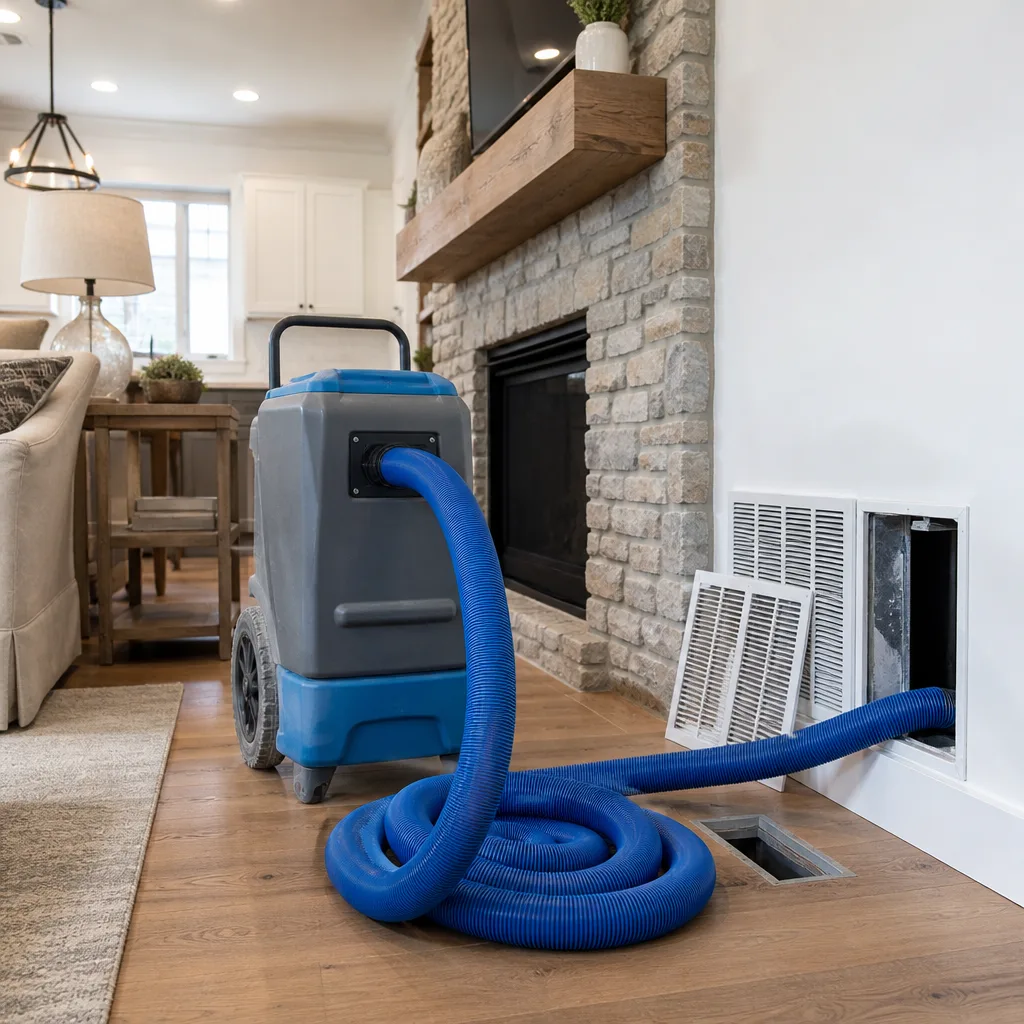 Whole-home duct cleaning
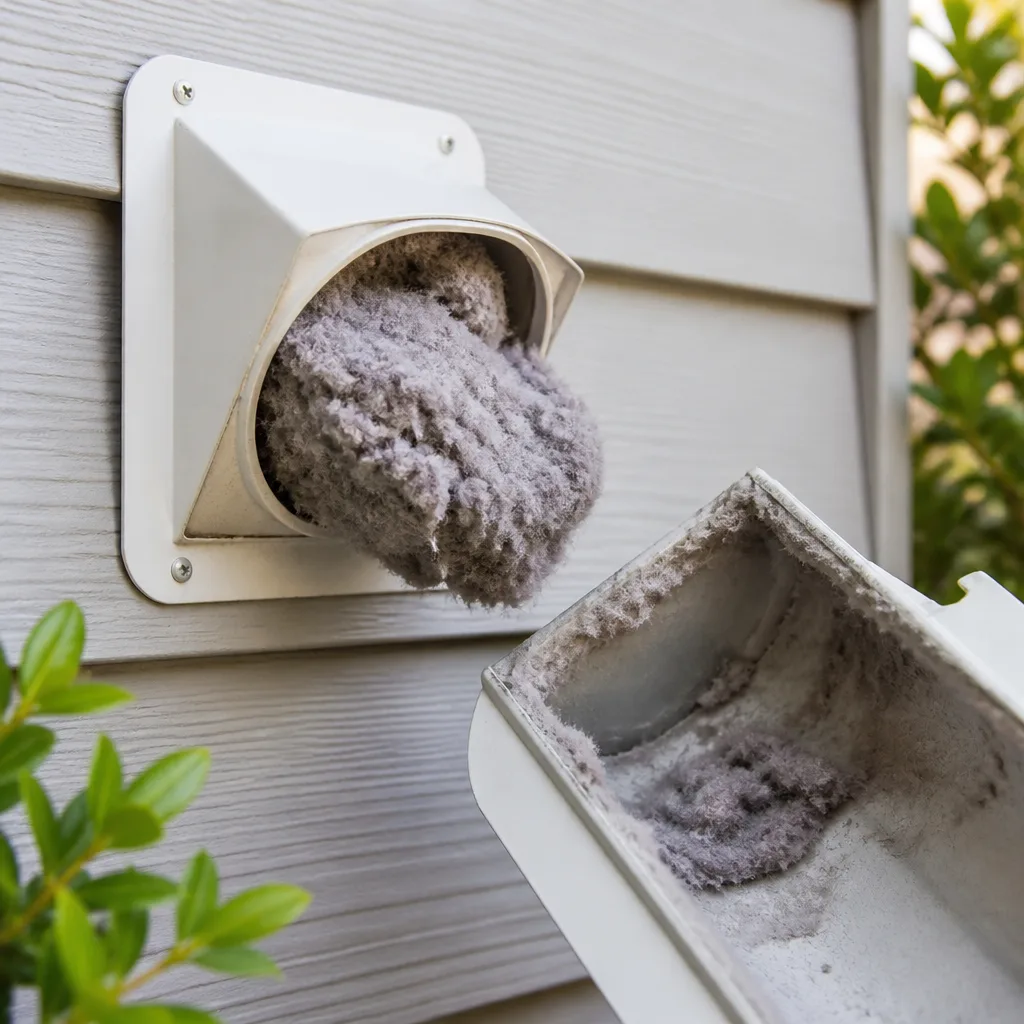 Dryer vent cleaning
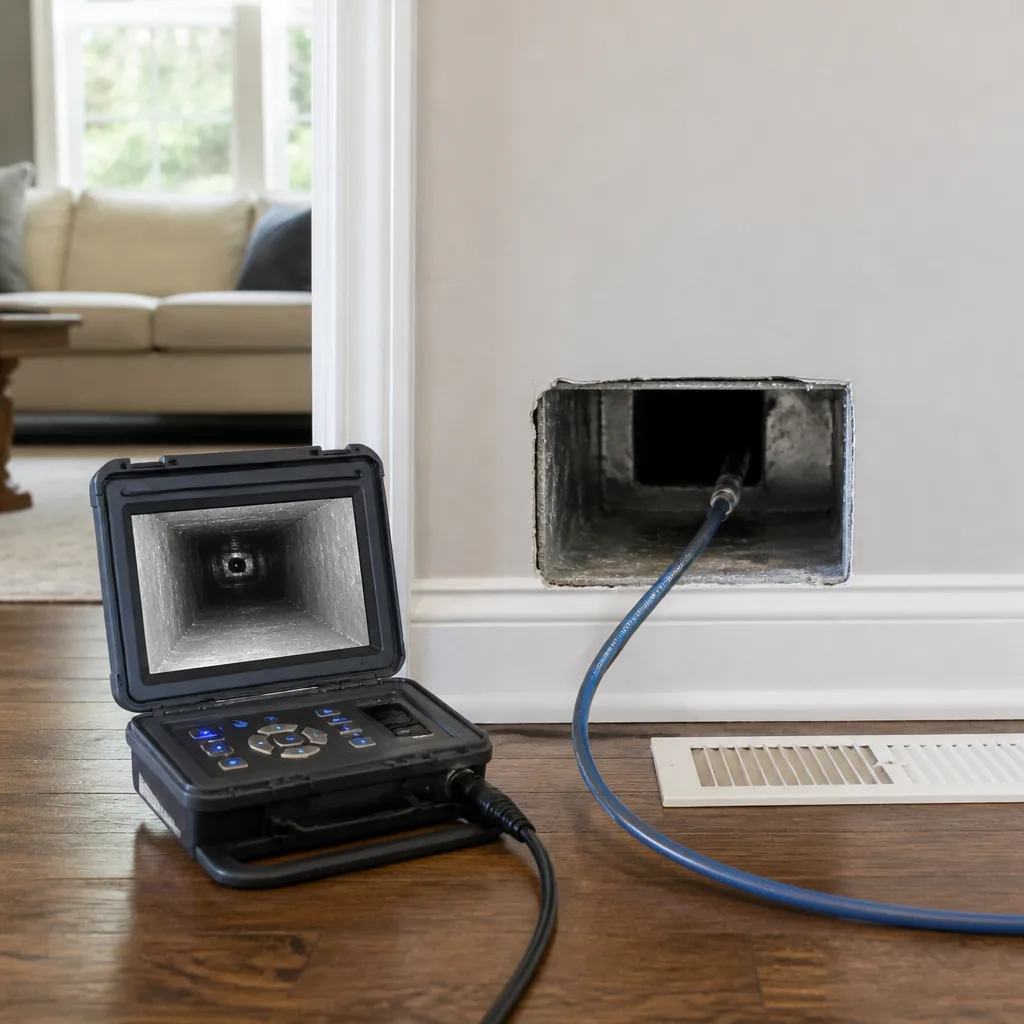 Camera inspection
 Sanitizing & deodorizing
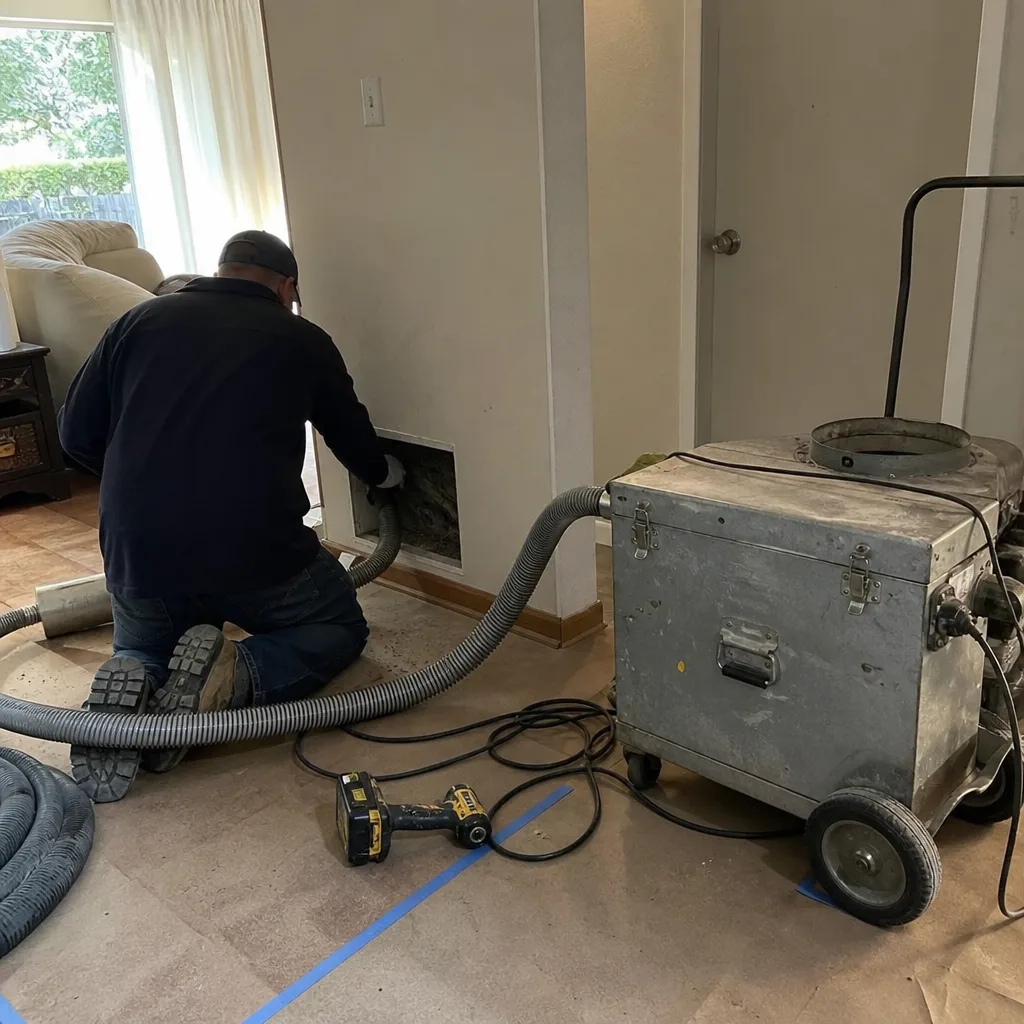
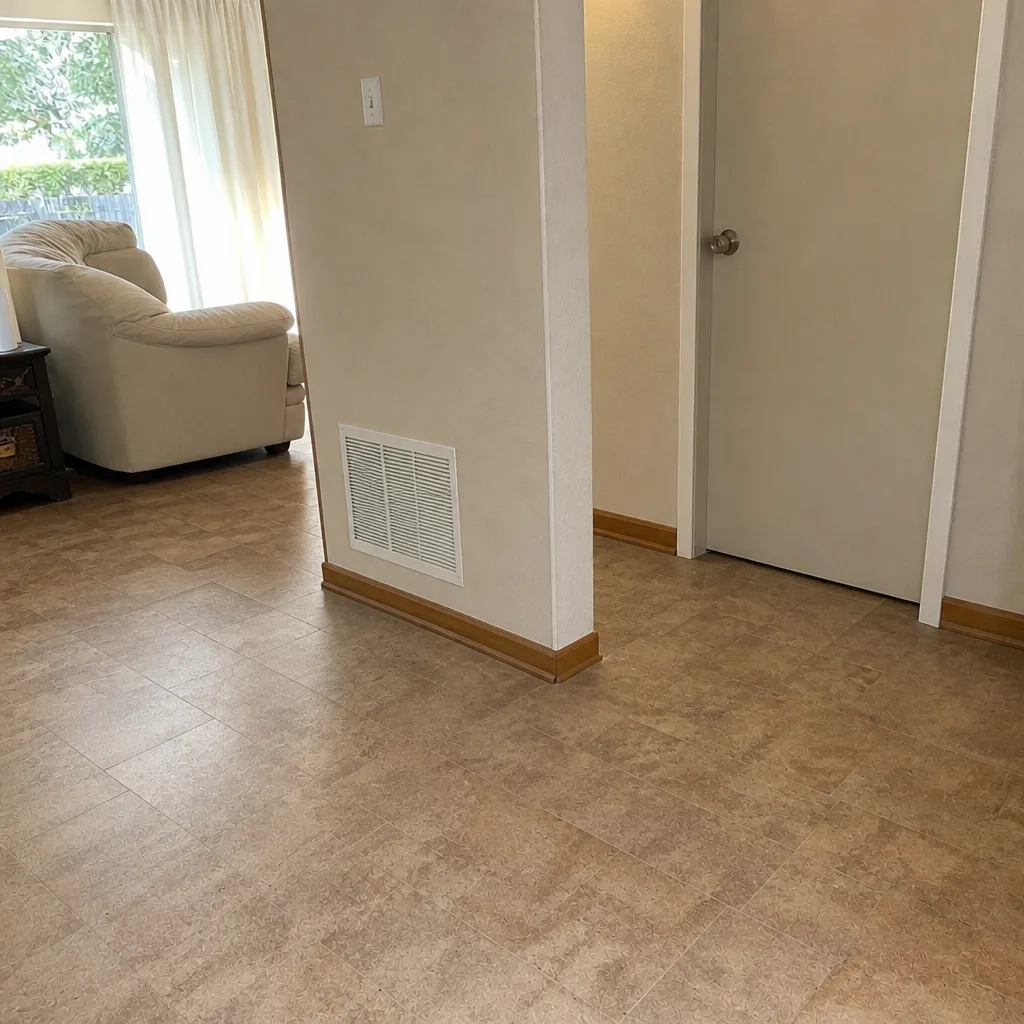
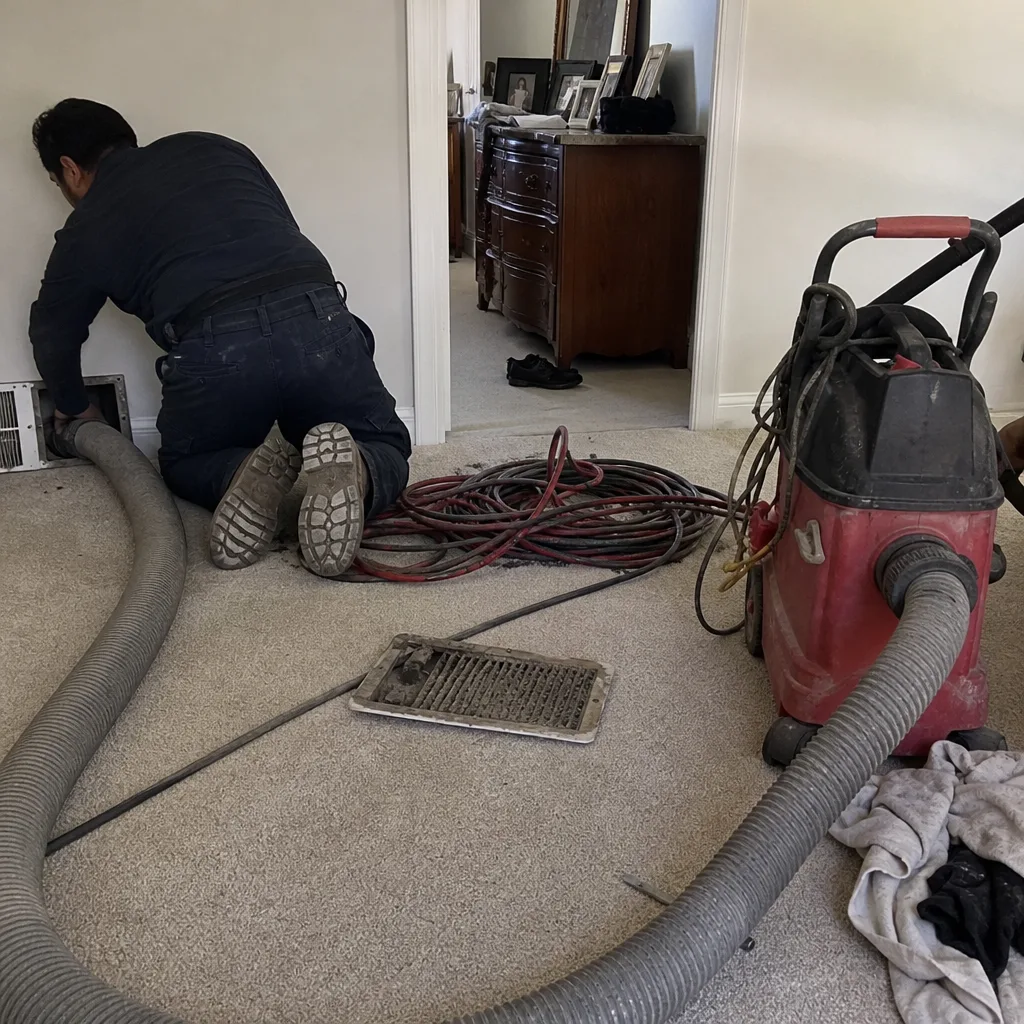
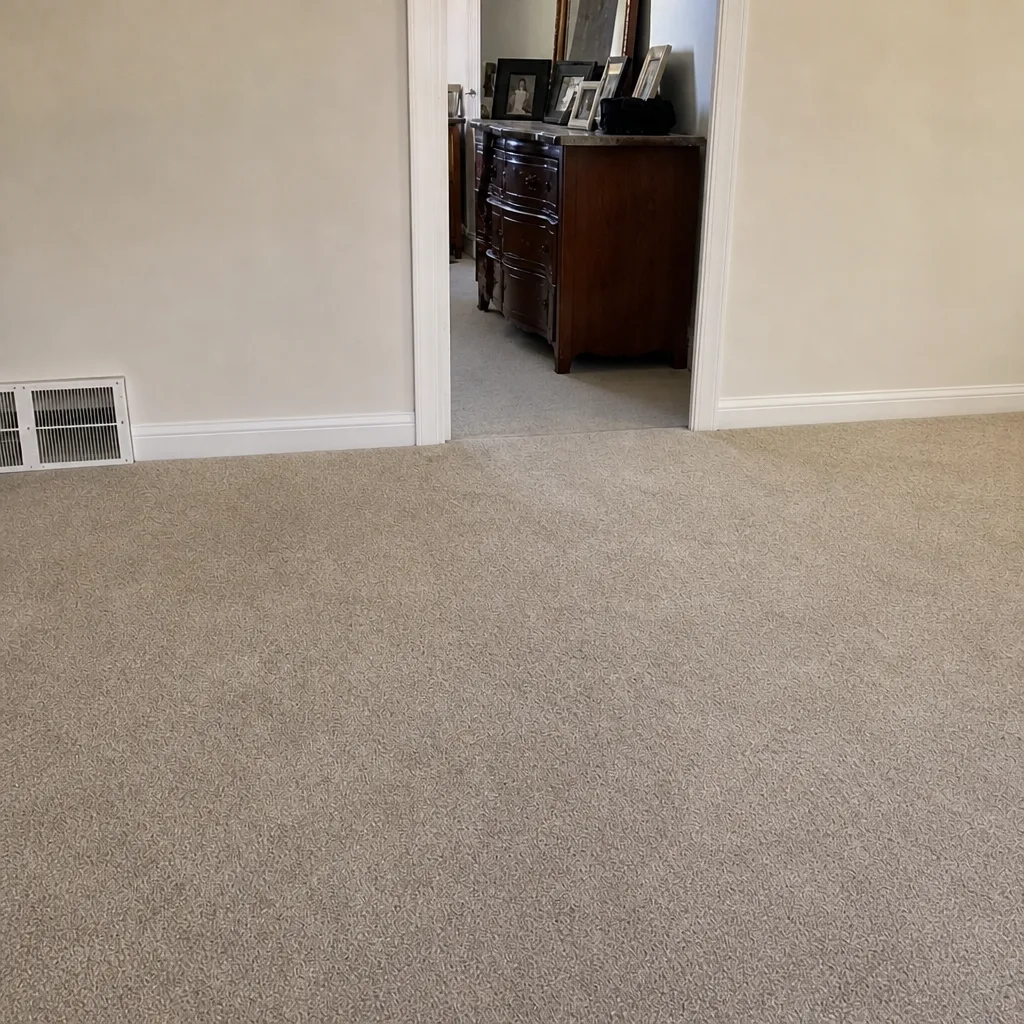
Whole-system duct and dryer vent check with before-and-after photos - you see exactly what came out of your vents
That "$99 whole-house special" is a bait ad - the real number appears once they are in your hallway, or the "clean" is a shop-vac at the register. We photograph the inside of your ducts before and after instead.
Air Duct Cleaning Emergency Preparedness Guide for Spokane Homes
Most homeowners treat their ductwork as passive infrastructure, something that just sits behind the drywall until the furnace quits. That assumption is exactly backwards. Your ducts are the one system in the house that connects the outdoor air to every room you sleep and eat in, and in Spokane the outdoor air does not stay mild for long. Between summer wildfire smoke that settles into the valley and hard winter freezes that can burst a supply line while you’re asleep, this region hands homeowners two very different emergencies that both end with contamination inside the duct system. The uncomfortable truth is that by the time you smell smoke indoors or notice water staining a ceiling, the contamination has usually already been distributed through every branch line. This guide lays out a real protocol: what to do before, during and after each event, how to document your system so damage assessment has a baseline, and which situations genuinely can’t wait.
Quick Answer
Air duct emergency preparedness in Spokane means having a written plan for two specific events: a wildfire smoke episode and a hard freeze that risks a pipe burst. Before smoke season, upgrade to a MERV-13 filter and know how to shut the system down cleanly. After a freeze, if water has entered the ductwork, dry and clean the ducts within 48 to 72 hours, before mold colonizes, and do not restart the HVAC system until that work is done. Everything else, including routine post-smoke cleaning, can usually be scheduled as planned work rather than an emergency.
Styles & brands we work with
- Whole-home duct cleaning
- Dryer vent cleaning
- Camera inspection
- Sanitizing & deodorizing
Table of Contents
- The wildfire smoke protocol for Spokane duct systems
- Post-freeze pipe bursts: when water reaches your ducts
- Documenting your duct system before emergency season
- The HVAC shutdown sequence before you evacuate
- What “emergency duct cleaning” realistically means
- Filters, filtration and what your system can actually handle
- What recovery looks like after an event passes
- Common mistakes to avoid
The Wildfire Smoke Protocol for Spokane Duct Systems
During Spokane’s worst smoke events, outdoor PM2.5 concentrations have exceeded 500 µg/m³, roughly 20 times the EPA’s hazardous threshold. On days like that, every cubic foot of air your furnace or air handler pulls in carries fine particulate that a standard MERV-8 filter was never built to stop. The filter catches some of it. The rest travels past the filter, coats the inside of the trunk line, settles in the branch runs, and sits in the return plenum. Your lungs don’t get it, but your ducts do, and every time the blower runs afterward it stirs that material back into the rooms.
The protocol has three phases, and the most important one happens before the smoke ever arrives.
- Pre-season (spring, before fire season): Install a MERV-13 filter, the minimum we recommend for smoke exposure. Confirm your blower can handle the added static pressure, since a filter that’s too restrictive for the equipment can strain the motor. Note the filter’s install date and MERV rating so you have a baseline.
- During the event: When the Air Quality Index climbs into the unhealthy range and you can smell smoke indoors, shut the system down. Turn the thermostat to off at the unit and close outdoor intake dampers if your home has them. Keep windows and doors shut. A running forced-air system during heavy smoke keeps pulling contaminated outdoor air in through the return and pushes it through every room.
- After the event: Wait until the AQI drops back to moderate and stays there for a full day before resuming normal operation. Then change the filter, inspect the return registers for visible soot or grey film, and schedule air duct cleaning if you see buildup or notice a smoke smell that lingers when the blower runs.
One detail most homeowners miss: the smoke smell that persists indoors after a fire season isn’t imagination. Fine particulate lodges in the fibrous lining of flex duct and in the joints where sections meet, and no amount of air freshener clears it. Only mechanical cleaning does.
Post-Freeze Pipe Bursts: When Water Reaches Your Ducts
A burst supply line in a ceiling or crawlspace is the scenario that catches Spokane homeowners off guard, because the water doesn’t always stay in the wall cavity. It wicks into ceiling insulation, drips down into return chases, and can pool inside duct runs that were never designed to be wet. The window to act is much tighter than most people realize: mold can begin colonizing damp duct surfaces within 48 to 72 hours, and flex duct with a porous interior liner is especially vulnerable.
Here’s what to do, in order:
- Shut off the water and the HVAC system. Do not run the air handler to “dry things out.” A running system pushes moisture-laden air through the whole duct network and spreads the problem to rooms that were dry.
- Document the water path. Photograph ceilings, registers, and any visible water staining. This matters for insurance and for the technician who assesses the ducts.
- Call for assessment within 24 hours. A duct system that has taken on water needs to be inspected, dried and cleaned before the 48 to 72 hour mold window closes. This is one of the few genuine emergency categories.
- Do not restart the system until drying and cleaning are complete. Restarting too early is the most common way a repairable situation becomes a full duct replacement.
Rigid metal duct can often be dried and cleaned. Flex duct that has soaked through frequently has to be replaced, and that’s where duct cleaning and repair done by a specialist pays for itself: one visit handles the assessment, the clean and the replacement of compromised sections rather than three separate contractors.
Documenting Your Duct System Before Emergency Season
Post-event damage assessment is only as good as the baseline you have to compare against. If a technician walks into a home after a smoke event or a water intrusion and has no idea what the ducts looked like beforehand, they can’t tell you what the event actually did. An hour of preparation in the spring saves hours of guessing later.
Build this record now:
- Photograph every register and return grille. Open the cover, shoot the duct interior with a phone flashlight, and note the date. Fifteen or twenty photos covers most Spokane homes.
- Photograph the air handler and filter compartment. Note the filter size, MERV rating and the date you installed it. Write it on a piece of tape inside the cabinet if it helps.
- Sketch the system configuration. Where’s the return? Is it a single central return or multiple? Is the duct rigid metal, flex, or a mix? Any ductwork in the crawlspace or attic?
- Note any pre-existing issues. Loose joints, disconnected sections, crushed flex runs. These matter because an emergency will make them worse, and you want the record to show the duct was already compromised before the event.
Keep the whole file, digital or paper, somewhere you can grab it if you evacuate. When a wildfire forces you out, you’ll want the system documentation with your insurance papers, not back on a kitchen counter.
The HVAC Shutdown Sequence Before You Evacuate
If you’re evacuating because of a nearby fire, the last thing on your mind is the furnace. But the way you leave the system matters for what you come back to. A forced-air gas system left running during an evacuation pulls smoke-laden air into the return continuously, distributing it through every duct branch in the house. Shutting it down cleanly protects the ductwork and shortens recovery later.
- Turn the thermostat to off. Not just “heat off” or “cool off” – the system mode needs to be off so the blower doesn’t cycle.
- Leave the gas valve alone unless directed by your utility. Shutting off gas at the meter is a job for the utility or a licensed gas fitter, not a last-minute evacuation task. Just turn off the appliance at the thermostat.
- Close outdoor air intakes if your system has them. Many modern forced-air systems have a fresh-air intake for ventilation. Closing it (or taping it over) keeps smoke from being drawn in through the return while you’re gone.
- Close all windows and interior doors to the rooms with the highest smoke exposure. A closed-up house draws less smoke inward.
- Take your filter baseline photos and system sketch with you. You’ll need them for the assessment after you return.
If your system uses Spokane-area natural gas for forced-air heat, this sequence applies directly. If you have a heat pump or electric resistance heat, the thermostat-off step is still the key move. The principle is the same across system types: no blower, no distribution of contaminated air.
What “Emergency Duct Cleaning” Realistically Means
The word “emergency” gets used loosely in this trade, and it’s worth drawing a line. Some duct contamination situations genuinely warrant a service window of 24 to 48 hours. Others sound urgent but can wait for a scheduled visit without any real harm.
Genuinely urgent (24 to 48 hour window):
- Water intrusion into the duct system from a burst pipe, roof leak, or appliance failure, where mold has 48 to 72 hours to start colonizing.
- A rodent or bird that has died inside a duct run, creating an odor and contamination issue that worsens quickly.
- Visible soot or char in the ducts after a small fire or heavy smoke exposure, where the material is still mobile and being redistributed each time the system runs.
Scheduled, not urgent:
- Post-wildfire-smoke cleanup where the house was closed up and the system was shut down during the event. This is real work but a planned visit is fine.
- Dryer vent cleaning after a lint buildup warning or a first clog signal. Important fire-prevention work, but not a same-hour emergency unless you’ve had a lint fire.
- Routine cleaning after a renovation or move-in. Schedule it.
The honest answer to “do I have an emergency?” comes from someone who can look at the ducts. Call (866) 963-7098. We answer 24/7. Fast dispatch from 7am to 7pm, Sunday through Friday. Estimates are free, and the price for the work itself is set per job by a written estimate before anything starts.
Filters, Filtration and What Your System Can Actually Handle
The filter is the front line of duct protection, and most Spokane homeowners are running the wrong one for the season. A MERV-8 filter is standard builder-grade equipment. It catches larger particles, dust, and pollen but lets a lot of fine smoke particulate through. For smoke season, MERV-13 is the practical minimum.
There’s a catch, though: a higher-MERV filter is more restrictive, and not every air handler has the static pressure margin for it. Before you swap filters for the season:
- Check the equipment’s rated maximum MERV. Most forced-air furnaces are rated up to MERV-11 or MERV-13, but some older units are rated lower.
- Watch for short-cycling or reduced airflow after the swap. If the blower seems to be working harder, the filter may be too restrictive.
- Change the filter more often during smoke season. A filter loaded with soot stops doing its job quickly.
This is where familiarity with systems from Honeywell and Aprilaire matters. Homes with whole-home air cleaners or media filter cabinets from these brands have specific filter requirements that a generic swap will get wrong. Understanding the filtration system as part of the whole air management setup, rather than just the inside of a duct, is what separates a specialist from a cleaning crew. You can read more about dryer vent cleaning for the parallel principle on the exhaust side of the house: the equipment matters more than the labor hours.
What Recovery Looks Like After an Event Passes
Recovery isn’t one step. After a smoke event or a water intrusion, the duct system has to be assessed, cleaned, and in some cases repaired before the house is back to normal. The sequence usually looks like this.
- Assessment first. A technician inspects the trunk, branch runs, returns and air handler, and compares what they find to the baseline photos you took in the spring.
- Mechanical cleaning. Professional-grade equipment from Rotobrush and Nikro does the work here. The agitation and negative-pressure extraction that removes soot and smoke particulate from flex duct is not the same operation as running a shop vac into a register. Abatement Technologies equipment comes into play when containment matters, such as heavy smoke residue or a home with a compromised immune occupant.
- Repair if needed. Cleaning often reveals disconnected joints, crushed flex, or sections that took on water during the event. Repairing those on the same visit prevents the next emergency from being worse than this one.
- Verify. Before-and-after photos of the ducts should be part of the finished job. If a company can’t show you what they removed, ask why.
If a duct run needs replacing rather than cleaning, that’s a repair, not a cleaning. Having the capability for both on one ticket cuts the number of visits and the amount of time the system stays offline.
Common Mistakes to Avoid
- Running the system through a smoke event to “keep the air moving.” Moving air only distributes the contamination further. Shut it down, close it up, and let the smoke pass.
- Drying out a water-damaged duct with the HVAC blower. It feels intuitive. It’s also a fast way to spread moisture through the whole system and shorten the mold window from 48-72 hours to 24.
- Skipping the pre-season documentation. Without baseline photos, you have no way to prove what the ducts looked like before a fire or a freeze, which matters for insurance and for the assessment itself.
- Upgrading to a MERV-16 filter in a system rated for MERV-8. Higher MERV isn’t always better. A filter that’s too restrictive can starve the blower and cut efficiency. Match the filter to the equipment.
- Hiring a generalist for post-event cleaning. Smoke and water damage aren’t a general housekeeping job. The agitation, containment and extraction required to remove soot and mold from duct surfaces needs the right equipment, and a generalist HVAC company treating duct cleaning as an add-on is not the same as a specialist.
- Waiting until the smell forces the issue. By the time you can smell smoke or mold inside the house, the contamination is already being distributed. Call at the first sign, not after weeks of dealing with it.
- Restarting the HVAC after a freeze event without inspection. A single burst line inside a chase can dump water into a return duct you can’t see. Have someone check before you turn the system back on.
See the difference
 Before
 After
 Before
 After
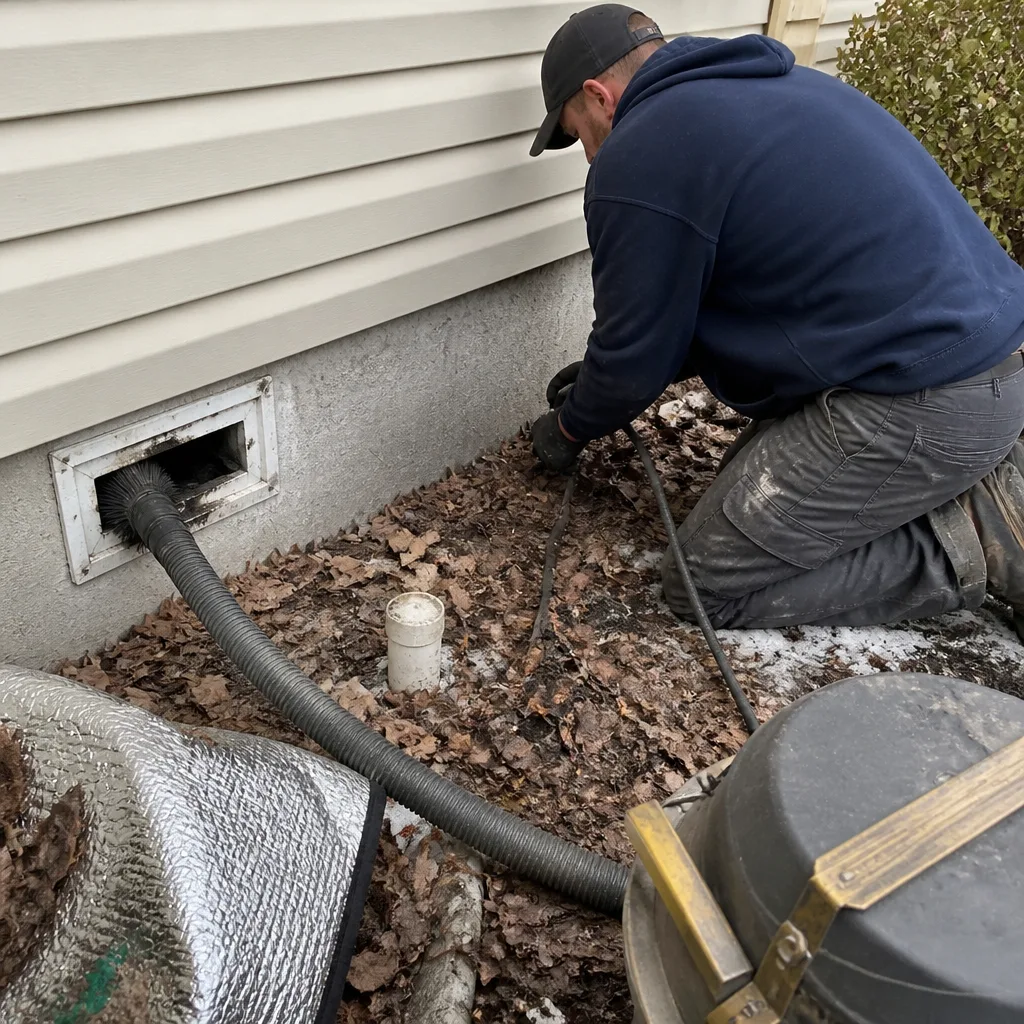 Before
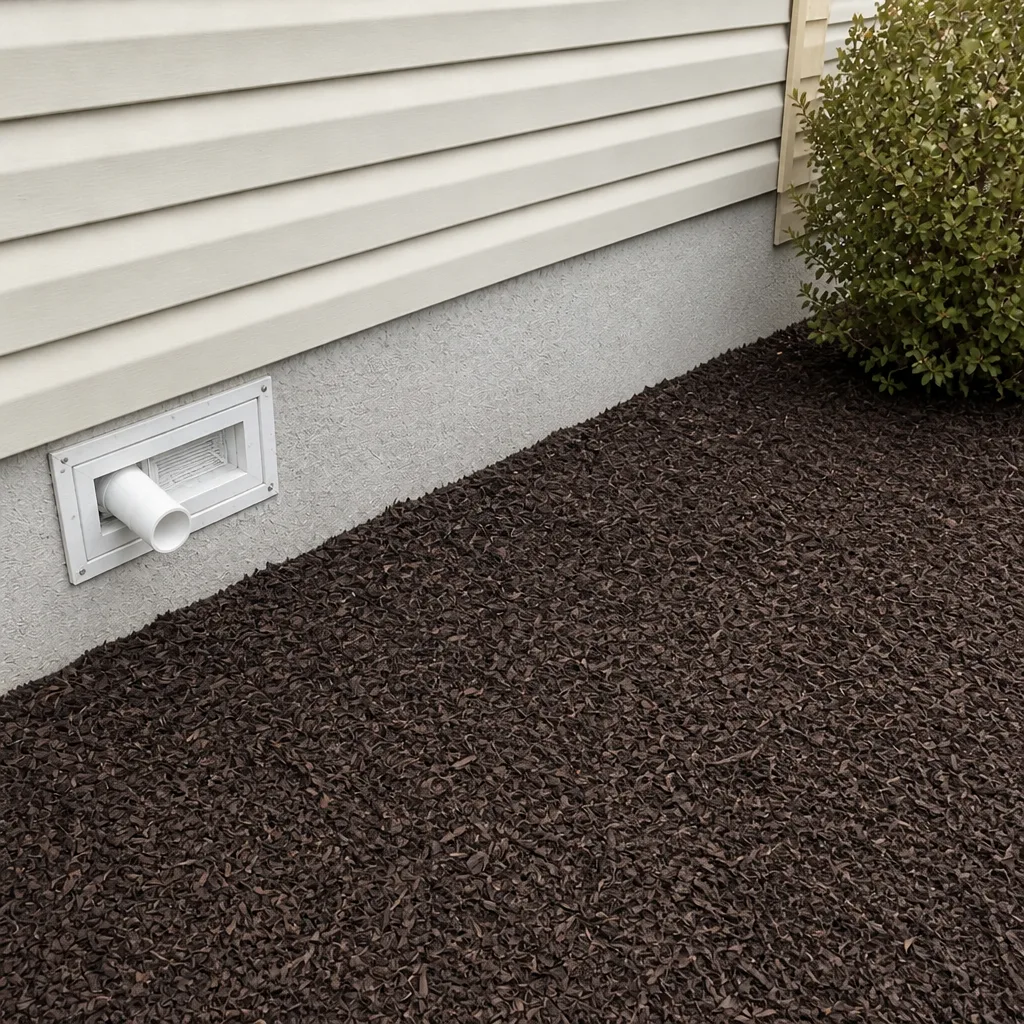 After
When to Call a Professional
Most duct work is planned work, not emergency work. But a handful of scenarios genuinely need a specialist on scene quickly. If water has entered the ductwork from a burst pipe, a roof leak or appliance failure, call immediately. The 48 to 72 hour mold window is real, and the difference between a dried-and-cleaned system and a replaced one comes down to how fast that window is closed. Same goes for a dead rodent inside a duct run, visible soot after a fire, or a system that was running through a heavy smoke event with no filter upgrade in place. If you’re not sure whether your situation is urgent, call and describe it. Our technicians have up to 13 years of experience and can tell you over the phone whether you’re looking at a 24 hour situation or a next-week job. Duct Cleaning Spokane offers free estimates in Spokane. Call (866) 963-7098. We answer 24/7. Fast dispatch from 7am to 7pm, Sunday through Friday.
Frequently Asked Questions
Post-smoke cleaning is usually not an emergency. If you shut the system down during the event and kept the house closed up, you can schedule cleaning on a normal timeline once the AQI has been moderate for a day or so. If you ran the system throughout a heavy smoke episode with a standard filter, the cleanup is more urgent but rarely same-hour – schedule it within a week and change the filter immediately. Call (866) 963-7098 for an exact quote. Estimates are free.
MERV-13 is the practical minimum for smoke season. It captures the fine PM2.5 particulate that the standard MERV-8 filter misses, but check your air handler’s rated maximum first, since some older equipment can’t handle MERV-13 without airflow issues. Swap in the higher-MERV filter before fire season, not after smoke is already in the air, and change it more frequently while the AQI is elevated.
Yes, particularly when the burst happens in a ceiling cavity or a wall adjacent to a return chase. Water wicks down through insulation and drips into return ducts, and in crawlspace installations a burst line can soak overhead duct runs directly. If a pipe bursts overhead, assume the ductwork needs inspection until a technician confirms otherwise. Restarting the system before that inspection is the single most common way a repairable duct becomes a replacement job.
Ask for before-and-after photos of your own ducts, not stock images. A professional job also follows a defined process: negative-pressure containment, mechanical agitation with professional-grade equipment, and a clear scope agreed in writing before work starts. At Duct Cleaning Spokane, the price is one flat rate per system, agreed before any work begins, with no per-vent pricing games. Call (866) 963-7098 to schedule. Estimates are free.
Usually because the scope isn’t the same. A low teaser price often covers a quick pass with a shop-vac-grade machine that barely touches the inside of the trunk, or comes with per-vent add-ons that double the invoice once the technician is at your door. Professional equipment like Rotobrush and Nikro systems, proper containment, and repair capability when the cleaning reveals damage all cost more to run than a bargain setup. Ask what the quote actually includes, and get it in writing. Call (866) 963-7098 for a straight answer and a free estimate.
Most homes don’t need annual duct cleaning. A reasonable baseline is every three to five years for a typical house, sooner if you have pets, a recent renovation, a smoke event that pushed material into the ducts, or a water intrusion. Spokane’s smoke seasons and hard freezes are the two local factors most likely to shorten that interval. If you’re unsure, an inspection is the cheapest way to find out. Call (866) 963-7098. Estimates are free.
The Bottom Line
Emergency preparedness for your air ducts in Spokane comes down to two events: wildfire smoke and hard freezes. For smoke, install a MERV-13 filter before the season, shut the system down cleanly when the air goes bad, and wait a day after the AQI drops before you restart it. For freezes, know that the 48 to 72 hour mold window after a water intrusion is the real clock, and never run the system to dry things out. Document your system in the spring so the assessment after an event has a baseline. And keep the phone number handy for the cases where the answer is genuinely “yes, this is urgent”: (866) 963-7098. We answer 24/7. Fast dispatch from 7am to 7pm, Sunday through Friday. Estimates are free.
Written by the team at Duct Cleaning Spokane.