
Last updated November 14, 2026
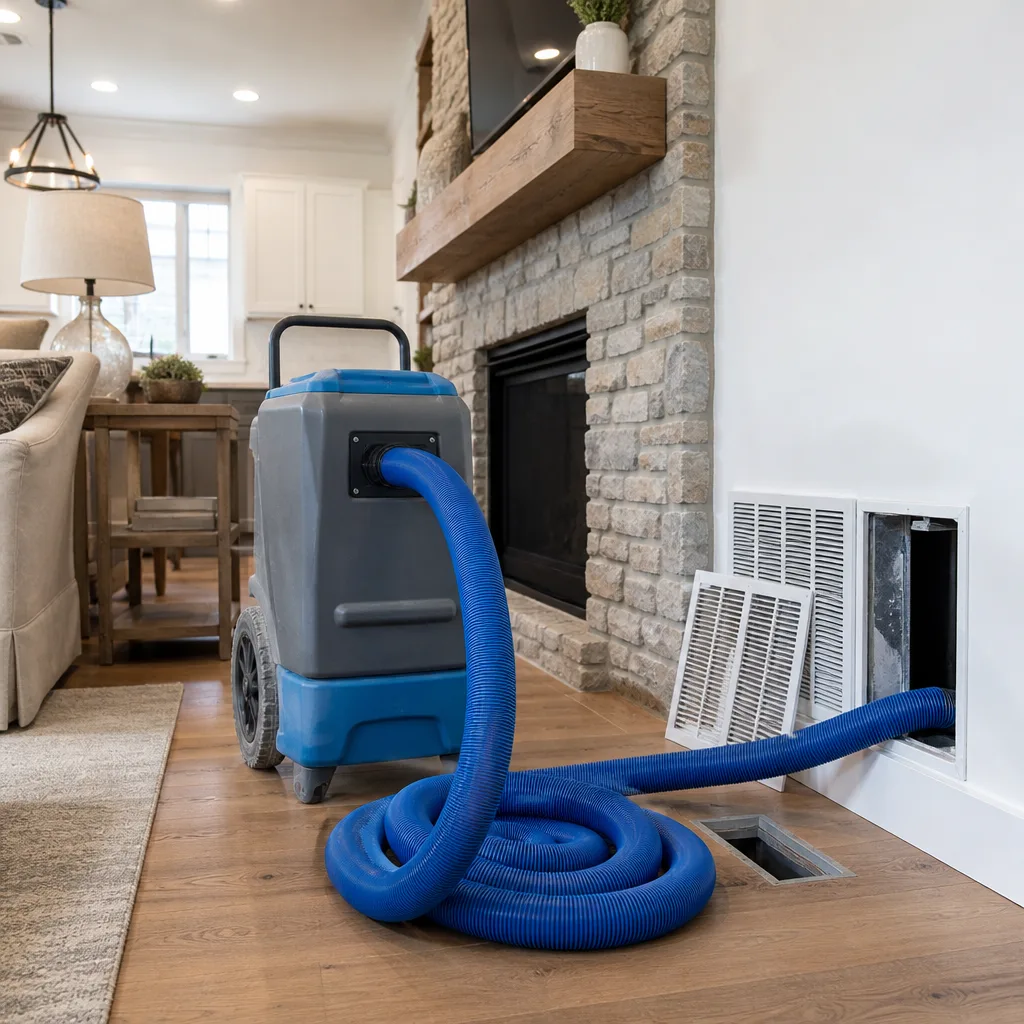 Whole-home duct cleaning
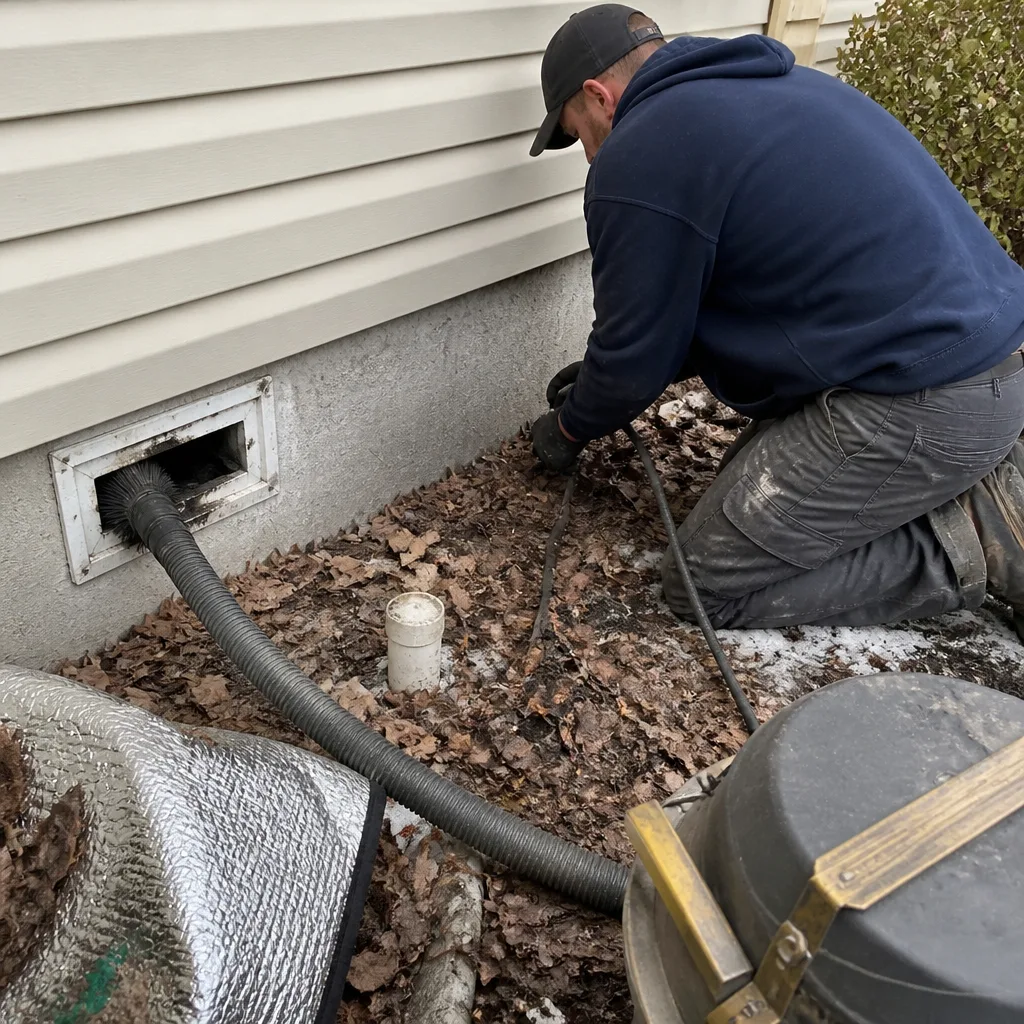
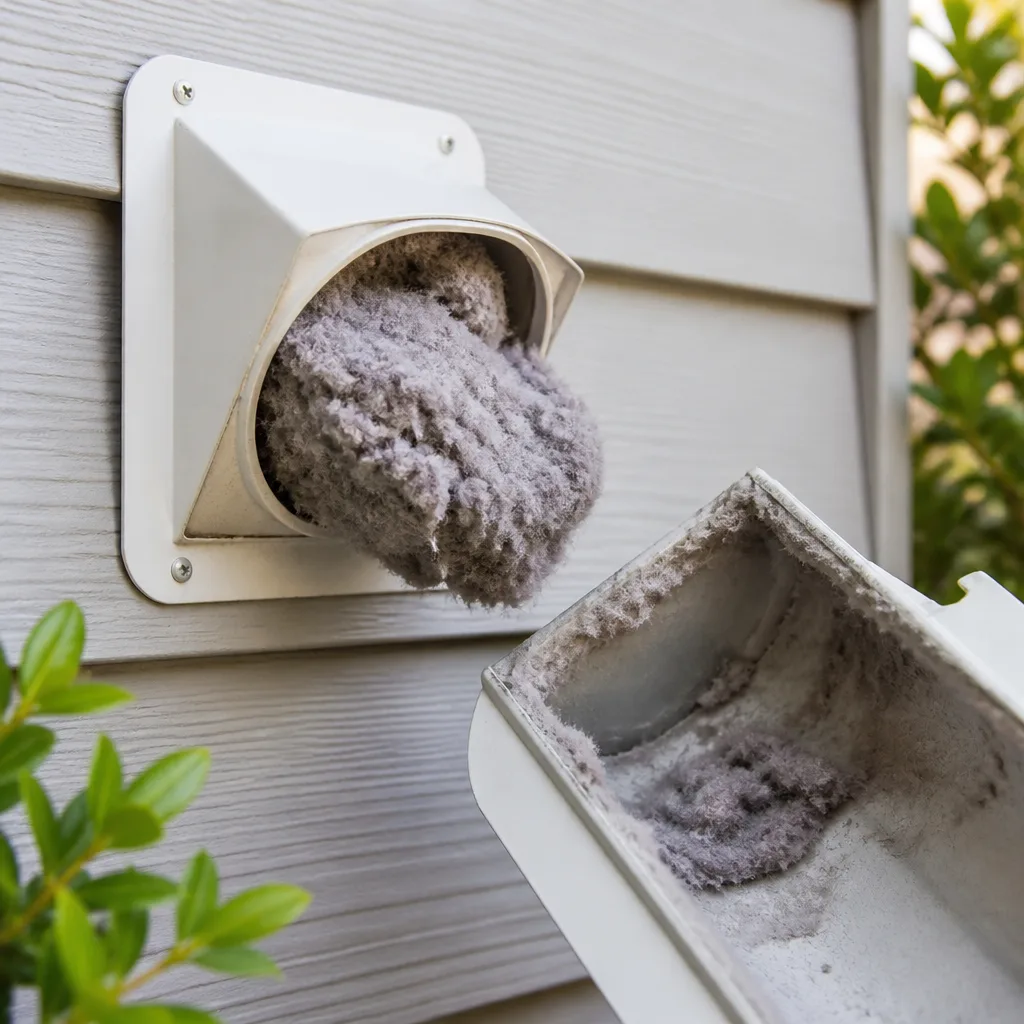 Dryer vent cleaning
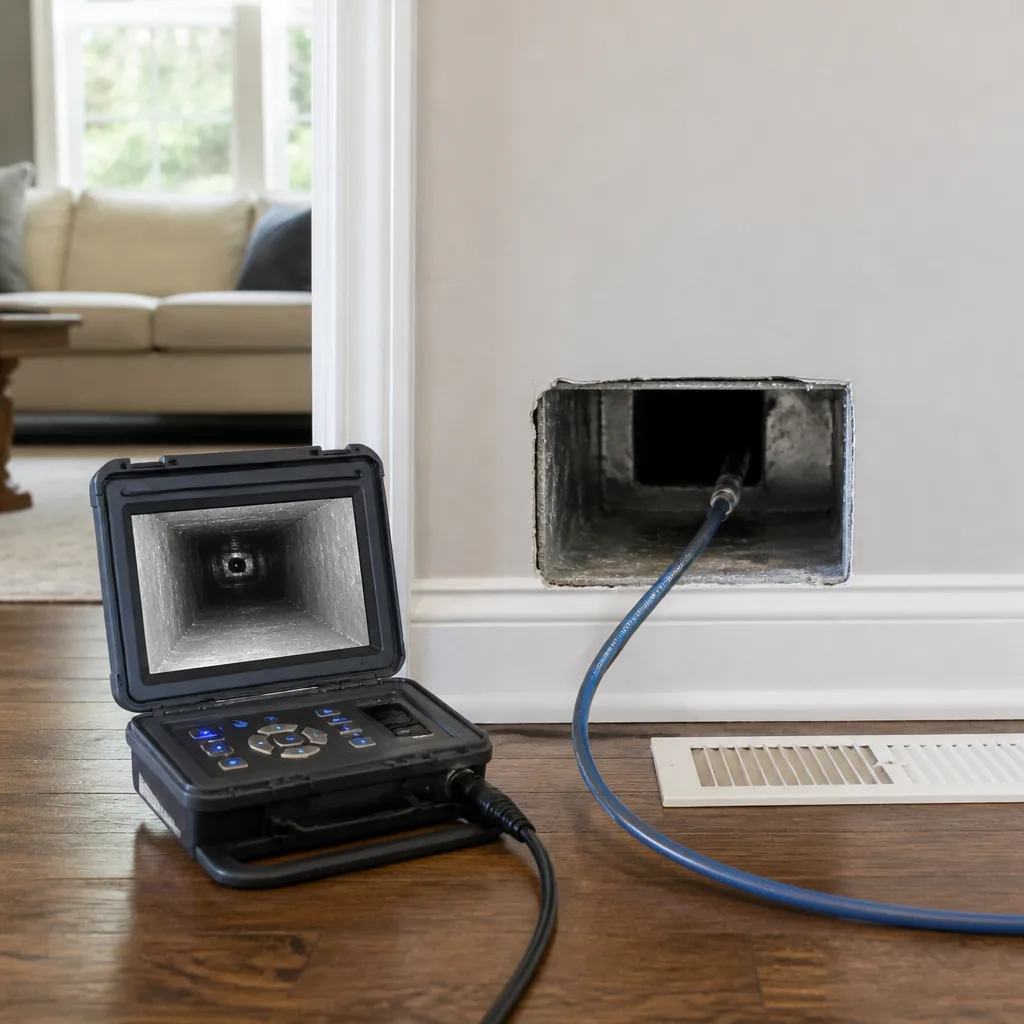 Camera inspection
 Sanitizing & deodorizing
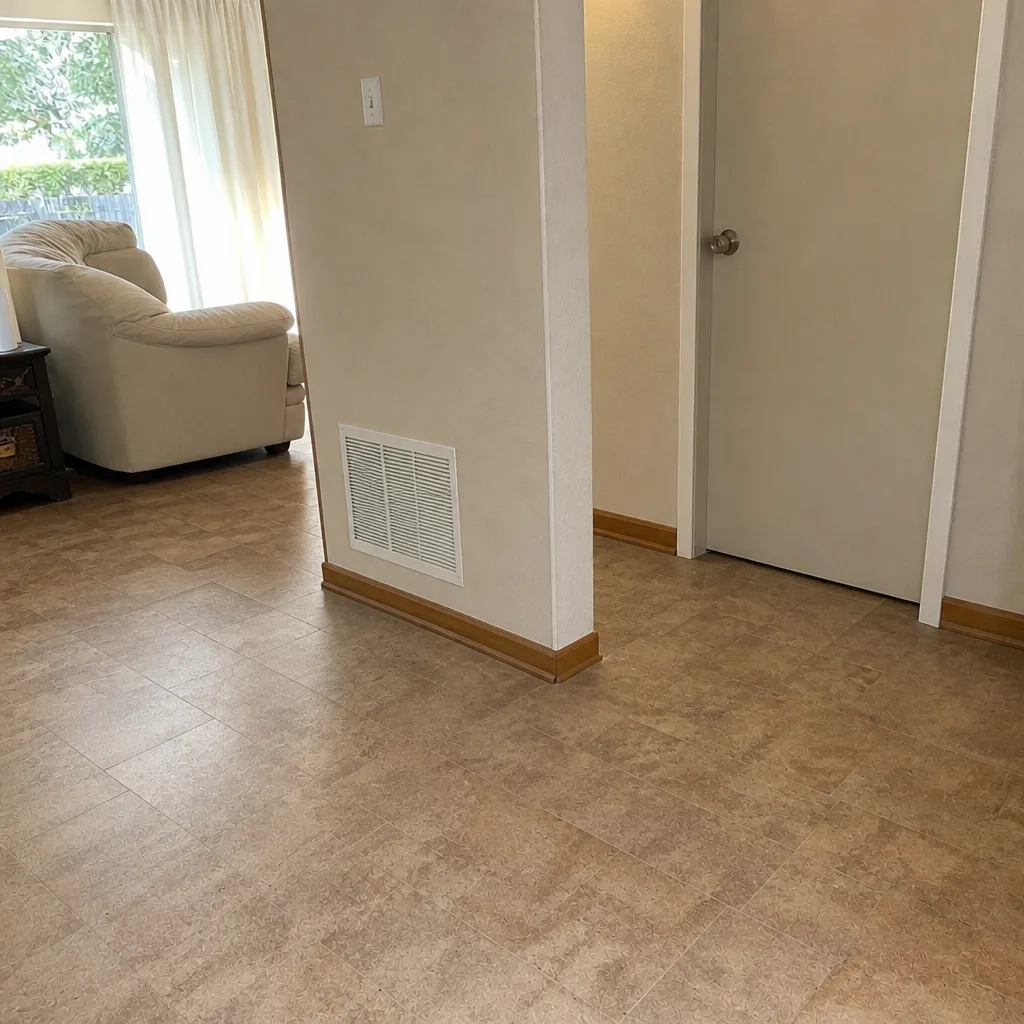
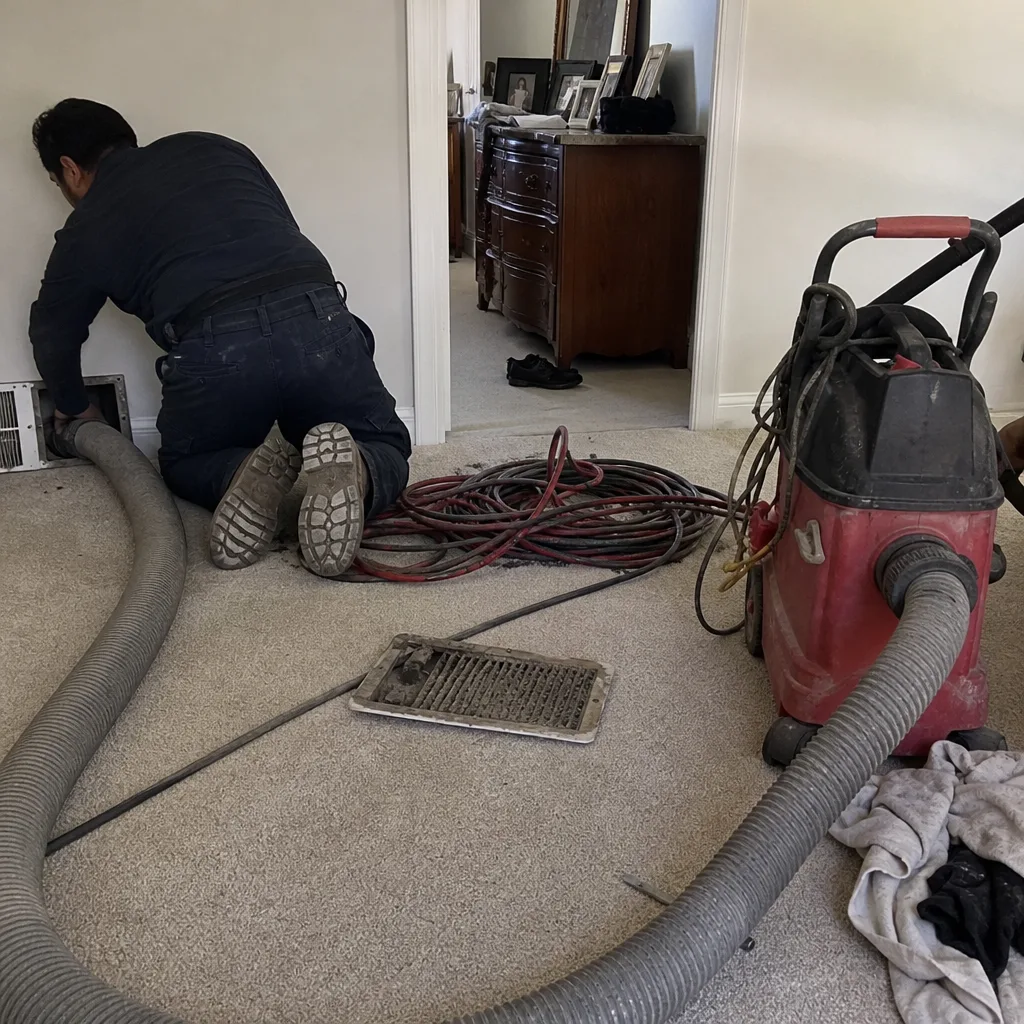
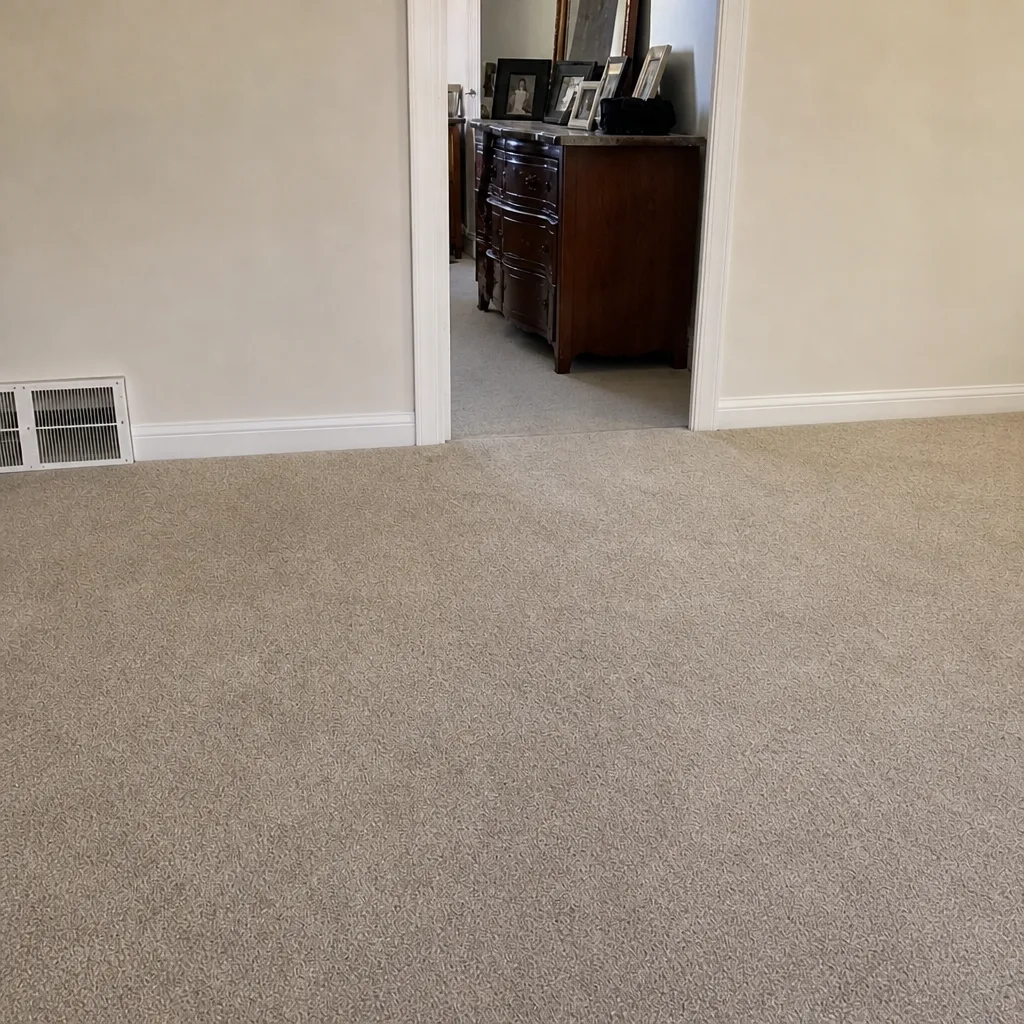
Whole-system duct and dryer vent check with before-and-after photos - you see exactly what came out of your vents
That "$99 whole-house special" is a bait ad - the real number appears once they are in your hallway, or the "clean" is a shop-vac at the register. We photograph the inside of your ducts before and after instead.
Air Duct Cleaning Warning Signs: A Spokane Homeowner’s Reference Guide
Most lists of duct cleaning warning signs tell you to watch for visible dust and odd smells. By the time you can smell a contamination problem from your vents, it’s already well-established. The meaningful warning signs show up weeks or months earlier, in places most homeowners aren’t trained to look: the filter that loads in eighteen days instead of eight weeks, the one room that never warms, the register edge that looks slightly different from the one beside it. This guide is about those early indicators. We’ll walk through how a duct system degrades in Spokane’s climate, what each quiet sign usually points to, and when it’s worth calling someone. By the end you’ll know what to check yourself and what to hand to a specialist.
Quick Answer
The early warning signs of a dirty or damaged duct system are a filter that clogs in under three weeks, uneven airflow between rooms, dark staining or greening at register edges, musty smells when the blower starts, and clothes that take longer to dry than they used to. Any one of these is worth investigating. Two or more together almost always point to something fixable inside the system, and catching it early is the difference between a cleaning and a repair.
Styles & brands we work with
- Whole-home duct cleaning
- Dryer vent cleaning
- Camera inspection
- Sanitizing & deodorizing
Table of Contents
- Airflow Asymmetry: The Tissue Test That Tells You Something’s Wrong
- Filter Loading Rate as a Diagnostic Tool
- Reading the Register Edge: Mold, Condensation, or Normal Dust
- Post-Renovation Red Flags You Didn’t Create
- Dryer Vent Warning Signs That Most Homeowners Dismiss
- Why Spokane Homes Show These Signs Sooner
- The 10-Point Homeowner Inspection Checklist
- Common Mistakes to Avoid
- When to Call a Professional
- Frequently Asked Questions
Airflow Asymmetry: The Tissue Test That Tells You Something’s Wrong
Uneven airflow is the most reliable early signal a duct system has a problem, and it’s the one homeowners notice last because houses heat and cool gradually. A room that’s always two degrees cooler than the rest of the house isn’t a quirk. It’s feedback.
Here’s a check you can run in a few minutes with a single tissue. Close every exterior door and window, set the thermostat to call for heat or cool, and let the system run until it’s clearly moving air. Hold a corner of the tissue against the supply register in each room of the house, in turn. Note how strong the flutter is and which way it pulls.
- Map the results. Write down each room and whether the tissue flutters firmly, weakly, or barely moves. This gives you the pattern, not just one data point.
- Compare against register size. A small hallway register won’t push as much as a large bedroom one, so compare like to like. What matters is whether two similar registers behave differently.
- Repeat at the return. Hold the tissue at the return grille. Weak pull at the return often points to a filter restriction rather than a supply-side problem.
- Re-check after a filter change. If a fresh filter restores balance, the issue was restriction. If nothing changes, the problem is deeper in the duct run.
When one or two registers underperform, the cause is usually one of three things: debris or collapsed flex duct blocking a branch, a damper that was adjusted and never reset, or a joint that has separated in the attic or crawlspace. The visual signature tells you which. Heavy buildup of dust and lint at the register face with strong flow elsewhere suggests localized blockage. A weak register that changes with the season suggests a damper left partway closed. A register that used to flow well and now doesn’t, with no filter change, often means a duct run has come loose or crushed. None of these are visible without opening the system, but the tissue test tells a professional exactly where to look first.
In Spokane’s older neighborhoods, this pattern shows up often in homes with long duct runs through unconditioned attics where summer heat and winter cold push joints to flex and separate. If you’re seeing it, our air duct cleaning process includes a physical inspection of every accessible run so we can distinguish blockage from damage before touching anything.
Filter Loading Rate as a Diagnostic Tool
A filter should last weeks or months, not days. If you’re changing it every two to three weeks, the filter is telling you the system is circulating a contamination source, not just normal household dust. Filter loading rate is one of the most useful diagnostics we have, and almost nobody uses it.
Here’s the logic. A filter traps what passes through it. A clean filter on a healthy system pulls in air with typical household particulates: skin cells, outdoor dust, lint from clothing. That loading is slow. A filter on a system with a hidden contamination source catches that plus whatever the ducts are shedding on every cycle: disintegrated duct liner, settled construction dust, debris from an old renovation. The filter fills fast because the system is mining particulate matter out of its own ductwork and delivering it back to you.
What different filter states tell you
- Loaded in under three weeks: strong indication of an active contamination source inside the duct system. Worth an inspection.
- Loaded in four to eight weeks: usually a sign of a filter that’s rated too restrictive for the blower, or heavy ambient dust from nearby construction or agriculture.
- Loaded in two to three months: normal for most homes.
- Loaded unevenly, with one side darker than the other: points to a gap or bypass around the filter housing that’s letting unfiltered air past the media.
The fast-loading scenario deserves attention because it compounds itself. A clogged filter starves the blower for air, the blower runs hotter, and static pressure inside the ductwork rises. That rising pressure pushes air out through every loose joint in the system, so dust that would have stayed in the ducts ends up in the walls and ceiling cavities. The problem gets worse the longer the filter is left in place. If you’re changing filters that fast in Spokane, our techs will check the housing, the return runs, and the supply-side cleanliness in one visit before recommending anything.
Reading the Register Edge: Mold, Condensation, or Normal Dust
Not everything dark at a register edge is mold, and treating it as if it were leads to unnecessary work. Three different things show up at the edge of a supply or return grille, and they need three different responses.
Normal dust accumulation
Grey or brownish fine dust on the slats and frame, evenly distributed, no smell, no staining of the drywall or ceiling around the register. This is normal household dust catching on the metal. Wipe it and it comes back slowly over months. Nothing to act on beyond routine surface cleaning.
Surface condensation
Wet or damp metal, water beading on the register body, occasional rust at the frame, and sometimes a visible wet smear on the ceiling around the opening in summer. This is a thermal issue, not a contamination issue. It usually means a supply duct running through a hot attic isn’t insulated well enough, so cold air meets warm humid metal. The fix is duct insulation, not cleaning. If you see condensation with any visible growth on the surrounding drywall, that’s a different conversation.
Mold growth signature
Growth that extends onto the drywall or ceiling around the register rather than staying on the metal, growing in irregular patches, sometimes with a greenish or black tint, and usually accompanied by a musty smell when the blower starts. This is the one worth acting on. In Spokane’s dry climate, mold inside ductwork is less common than in humid regions, but it happens where moisture gets in: leaky duct joints in crawlspaces, supply runs sweating in an unconditioned attic, or return ducts drawing air from a damp basement. If you see the mold signature, don’t clean the visible growth and assume you’re done. The moisture source needs to be identified and the affected ductwork assessed before any cleaning is useful.
Our team approaches this with Abatement Technologies containment equipment so that any cleaning work happens without spreading spores through the rest of the house. If a duct run turns out to be compromised, we can assess repair on the same visit rather than sending you to a second contractor.
Post-Renovation Red Flags You Didn’t Create
If your home had a kitchen or bathroom remodel before you bought it, the ducts likely absorbed drywall dust and insulation fibers that settled before the new homeowner moved in. Very little of the airborne construction dust is captured by an ordinary filter. The rest goes into the supply and return runs and settles in the joints and turns. That dust doesn’t vacuum itself out, so it sits in the duct system for years, and every time the system runs it stirs a little of it into the air you’re breathing.
Signs of a past renovation in your ductwork
- Fine white or grey powder in the return grille, similar to what you’d see cutting drywall. Drywall dust is distinct from ordinary household dust: it’s chalkier, often slightly powdery when rubbed between your fingers.
- Light-colored fibers near duct joints when you look inside a register with a flashlight. Fiberglass insulation fibers from ceiling or attic work often end up in the nearest ductwork.
- A musty or “builder” smell on first heat of the season that fades over a few days. This is often dust burning off the heat exchanger, but if the smell stays for weeks, the source is deeper in the system.
- Uneven temperature between rooms that dates back to before you moved in. Renovations often reroute one or two duct runs, and a run that was properly sized before may be undersized after.
Even a small remodel creates debris. Cutting one wall for a closet can put pounds of drywall dust into a return run if the system is running. Insulation work in an attic can do the same. If you’re not sure whether your home’s ductwork was cleaned after the last renovation, the answer is safe to establish: a professional inspection tells you, and it’s a much cheaper answer than wondering. Our equipment for this kind of work includes professional-grade systems from Rotobrush and Nikro, which are set up specifically to lift fine construction dust from the walls and turns of a duct run rather than just pulling it toward the register.
Dryer Vent Warning Signs That Most Homeowners Dismiss
Dryer vent cleaning is fire prevention, not housekeeping. The signs of a clogged dryer vent are quiet, ambiguous, and easy to explain away as “the dryer is getting old.” Lint accumulation in a dryer vent is the leading fuel source in dryer fires, and the signs below show up well before anything visible catches fire.
The three signs most often dismissed
- Dry cycles getting longer. If a load that used to take 40 minutes now takes 60 or 70, the vent is restricting airflow. The dryer is working harder to move moisture out, and the extra runtime is the visible result.
- The exterior vent flap not opening fully. Go outside while the dryer is running. The flap should open wide and stay open through the cycle. If it barely cracks, flutters, or doesn’t move at all, airflow is restricted.
- Heat buildup in the laundry room. The room feeling warmer than the rest of the house after a cycle, or the dryer door and top panel feeling hot to the touch. Some warmth is normal. Heat that builds noticeably during a cycle is a sign the dryer can’t exhaust properly.
Two more worth knowing: lint visible around the outside of the vent hood, and the smell of hot lint in the laundry room. Neither is normal. Either is a reason to have the vent cleaned and inspected before the next cycle runs.
In our experience, Spokane’s dryer vent runs are often longer than average because laundry rooms are frequently in basements or interior rooms, and long runs with elbows clog faster than short straight ones. Our dryer vent cleaning is a dedicated service, not a side add-on to duct work, and we inspect the whole run from dryer to exterior flap so what we find is the whole picture rather than a guess.
Why Spokane Homes Show These Signs Sooner
The signs above are universal, but Spokane’s climate, housing stock, and construction history change how fast they show up. A few things worth knowing about the area.
First, Spokane’s summers are hot and dry, and winters are cold. That wide swing means ductwork running through unconditioned attics expands and contracts more than it would in a milder climate, which loosens joints and separates flex duct connections over time. The tissue test and filter loading rate above will catch it earlier here.
Second, homes in older Spokane neighborhoods frequently have original galvanized ductwork that has been retrofitted with flex duct runs over the years. Mixed systems are common, and where flex meets metal is where separation and debris accumulation happen. Homes in Spokane’s south hill and north side can carry both original runs and additions from multiple decades inside the same system.
Third, spring pollen and late-summer smoke from regional fires push a lot of fine particulate matter through the system each year. If you live near a busy road or an area with active construction, filter loading rates run higher than the neighborhood average.
Fourth, basement and crawlspace ductwork is common in Spokane, and summer humidity in a basement can create condensation on cold supply runs. The visual signs at register edges we described earlier show up more often in these homes than in slab-on-grade ones.
None of this is a call to action. It’s a reason to check the early signs regularly instead of waiting for the obvious ones. A short walkthrough of the register edges and a note on the filter replacement date take five minutes and tell you more than a full seasonal deep-clean schedule ever could.
If you want a professional walkthrough of the whole system, our team at Duct Cleaning Spokane handles air duct cleaning, dryer vent cleaning, and air duct repair as the entire scope of our work. We’re set up in the Spokane area to run the inspection and the cleaning on the same visit, and to fix what we find rather than hand you a second phone number.
The 10-Point Homeowner Inspection Checklist
Here’s a walkthrough you can do at home in under an hour, once or twice a year. Nothing on this list requires tools beyond a flashlight and a step stool.
- Change-and-date your filter. Write the date on the filter frame in marker. The date tells you more than the filter does.
- Run the tissue test at every supply register and write down what you find. Keep the note with the filter date.
- Check the return grille for airflow and visible debris buildup.
- Look at the edges of every register with a flashlight. Note the color and texture of any buildup, and whether it extends onto the surrounding drywall.
- Walk through the house with the system running and listen. Whistling at a register means restriction; rattling in a wall means a loose duct; a low rumble can mean a disconnected run.
- Smell the air at the start of heating season. A brief dusty smell is normal. A musty smell that returns for weeks is not.
- Run a flashlight inside a register opening where the duct is accessible. Look for fiberglass, drywall dust, or debris accumulated in the turn.
- Time a typical dryer cycle. If it’s fifteen minutes longer than a year ago, check the vent.
- Inspect the exterior dryer vent flap while the dryer is running.
- Check for heat buildup in the laundry room after a cycle.
What to do with the results: a single weak register or a filter that loads a bit faster than usual is a follow-up item. Two or more signs together, especially in different categories, is a reason to have a specialist look. The signal isn’t any one item on this list. It’s the pattern.
Common Mistakes to Avoid
- Waiting for the smelly phase before taking action. Odor is a late-stage sign, not an early one. By the time it’s obvious in the living space, the source has been established for months. Checking the earlier indicators is the point of this guide.
- Assuming a new filter fixes a duct problem. A filter is a barrier at one point in the system. If the contamination source is upstream of the filter and actively shedding, the new filter loads fast for the same reason the old one did.
- Cleaning visible mold at a register without addressing the moisture. Cleaning the surface of mold without finding what kept it wet just means it grows back. The moisture source is the real problem.
- Skipping the dryer vent because the dryer still runs. A dryer will keep running while the vent is 80% clogged. Longer cycles and a hot laundry room are the real warning signs, not a dryer that fails to spin.
- Hiring a coupon-driven duct cleaning service that offers one low price to clean “the whole house.” The industry has a bait-and-switch reputation for a reason. A flat price per system agreed in writing before work starts is the only quote worth comparing against another.
- Assuming a general HVAC contractor will diagnose duct problems on a service call. Many treat duct cleaning as an add-on to their main work. A technician who cleans ducts as an afterthought is unlikely to catch a separated flex run or a collapsed branch that a specialist would spot in the first ten minutes.
- Ignoring building construction or renovations that predate your ownership. The dust in your ducts doesn’t know who lived here first. Renovation debris is common in Spokane homes and worth checking whether or not you did the work.
When to Call a Professional
Some signs you can resolve at home: a single slow register caused by a filter, a dryer flap that doesn’t open fully because of lint buildup on the outside. Others need a professional: two or more weak registers, a filter that loads in under three weeks, mold growth that extends beyond the register onto the drywall, a dryer cycle that’s lengthened substantially without any change in how it’s used, or a renovation you can’t date. Also call if you’ve recently moved into a home and don’t know when the duct system was last cleaned or whether repairs were made during a remodel.
A professional visit should give you a physical inspection of accessible duct runs, a clear diagnosis of any issue found, and one written price per system agreed before any work starts. Duct Cleaning Spokane offers free estimates in Spokane. Call (866) 963-7098. We answer 24/7. Fast dispatch from 7am to 7pm, Sunday through Friday.
Frequently Asked Questions
Professional air duct cleaning in Spokane typically runs in a range based on the size and configuration of your system, and the written estimate sets the final price. Quotes that seem dramatically lower than that range usually turn out to involve per-vent charges added on-site, or equipment that can’t actually clean a duct system properly. We price per system, not per vent, so the number you get is the number you pay. Call (866) 963-7098 for an exact quote – estimates are free.
Usually because they aren’t quoting the same work. A low advertised price is often a per-vent rate that becomes a much larger invoice once the technician has seen the system, or a price for a surface-level vacuuming that doesn’t actually dislodge settled contamination. Ask any company what equipment they use, whether their price is per system or per vent, and what happens if they find damaged ductwork during the cleaning. Those three answers separate real quotes from teaser prices. Call (866) 963-7098 if you want to compare your quote against a written per-system number.
Ask for before-and-after photos of your own ductwork. A professional cleaning can’t be verified by the company telling you it happened in a voice memo. Photos of the register openings and accessible duct runs on both sides of the visit show what changed. Our technicians capture before-and-after photos as part of the job. Call (866) 963-7098 to schedule a free estimate.
Most homes in Spokane do well with cleaning every three to five years, depending on dust exposure, filter habits, pets, and any recent renovation. Homes near active construction, with allergy-sensitive occupants, or with a recent renovation often need it sooner. The signs in this guide tell you more than a fixed schedule does. Call (866) 963-7098 if you want an inspection to see where you stand.
Yes, if any of the vent signs are present. Long cycle times, an exterior flap that barely opens, and heat buildup in the laundry room are vent symptoms, not dryer symptoms, and cleaning the vent first often resolves what looks like a broken dryer. If those signs are clear and cleaning doesn’t fix it, that’s when a repair technician is appropriate. Call (866) 963-7098 to book dryer vent cleaning first.
No, most don’t, but the ones that do often don’t realize it until an inspection is done. Separated flex runs, collapsed branches, and disconnected joints are common in homes with mixed-era duct systems or ductwork running through unconditioned space. A cleaning that hits damaged ductwork without addressing it leaves the system working exactly as poorly as before. That’s why we offer air duct repair as a separate service on the same ticket – if we find it, we can fix it. Call (866) 963-7098 for a free estimate and inspection.
The Bottom Line
The early signs of a duct system problem are quiet: a filter that loads too fast, one register that won’t keep up, a register edge that looks slightly wrong, a dryer that takes ten more minutes than it used to. Catching them early turns a possible repair into a routine cleaning. Missing them turns a cleaning into a repair plus cleanup plus a season of wondering why the house never feels right. Spokane homes, between the wide temperature swing, the older housing stock, and the regional dust load, tend to show these signs earlier than cities with milder weather. Check them twice a year and you’ll catch most of what matters before it costs more than it should.
If your inspection turns up more than one sign, or if you’d rather have a professional walk the system end to end, we’re here for that conversation. Licensed & insured, professional-grade equipment from Rotobrush and Nikro on every job, one flat price per system agreed before work starts, and before-and-after photos of your own ducts.
Call (866) 963-7098. We answer 24/7. Fast dispatch from 7am to 7pm, Sunday through Friday. Estimates are free and there’s no obligation.
Written by the team at Duct Cleaning Spokane.
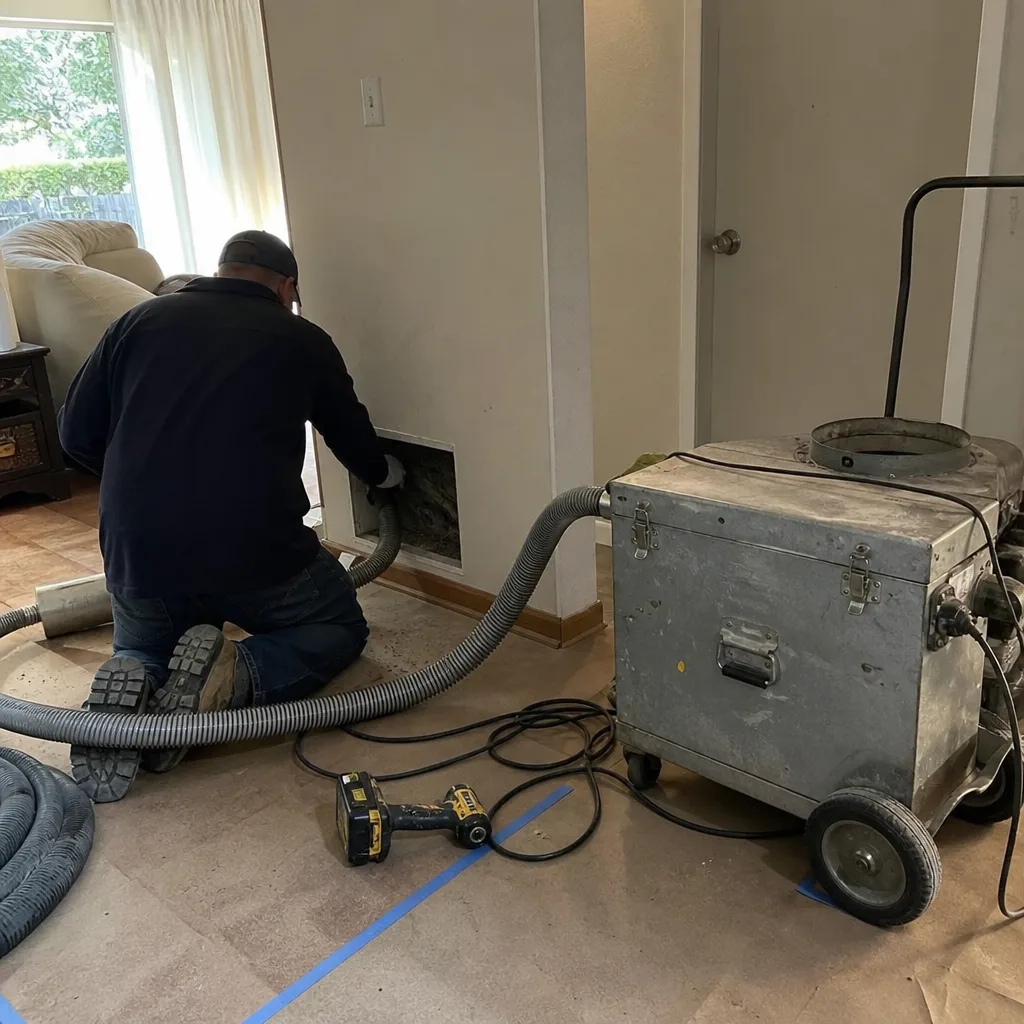
See the difference
 Before
 After
 Before
 After
 Before
 After