
Last updated November 14, 2026
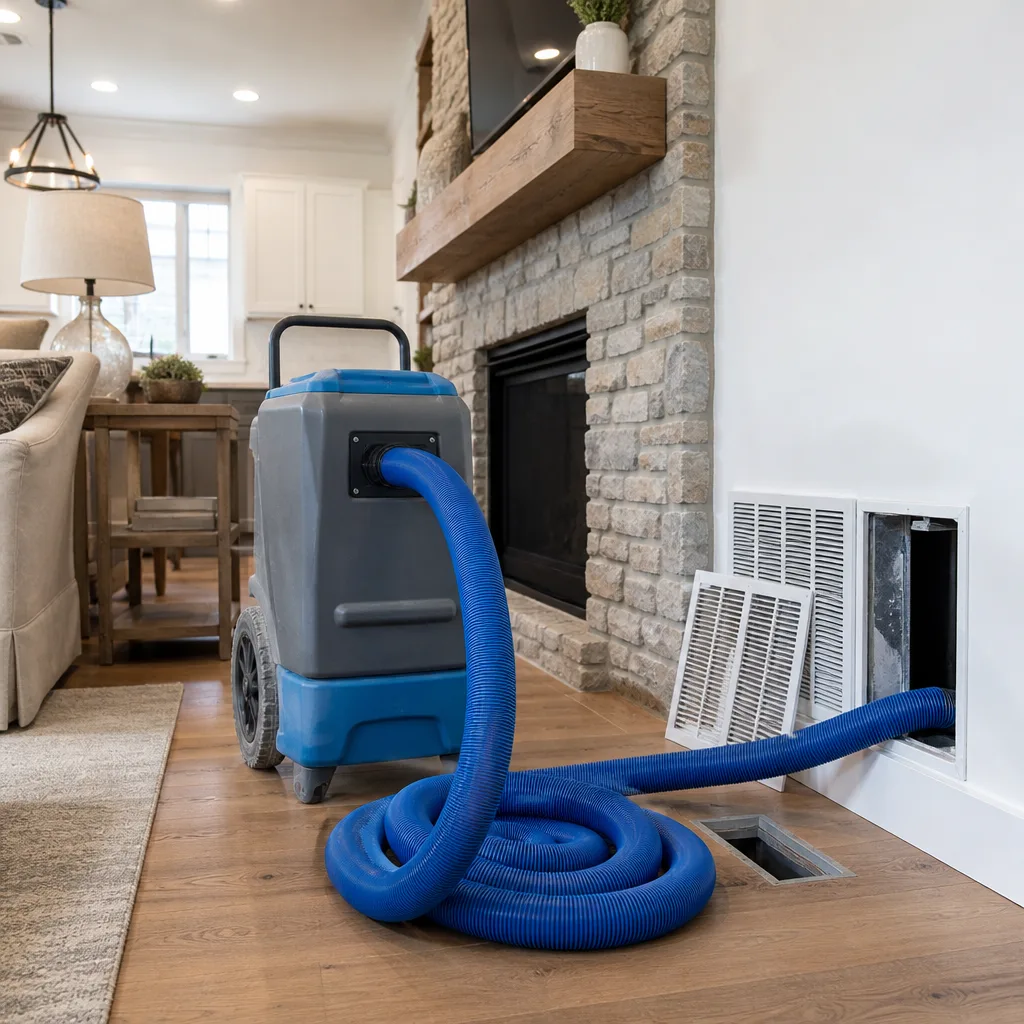 Whole-home duct cleaning
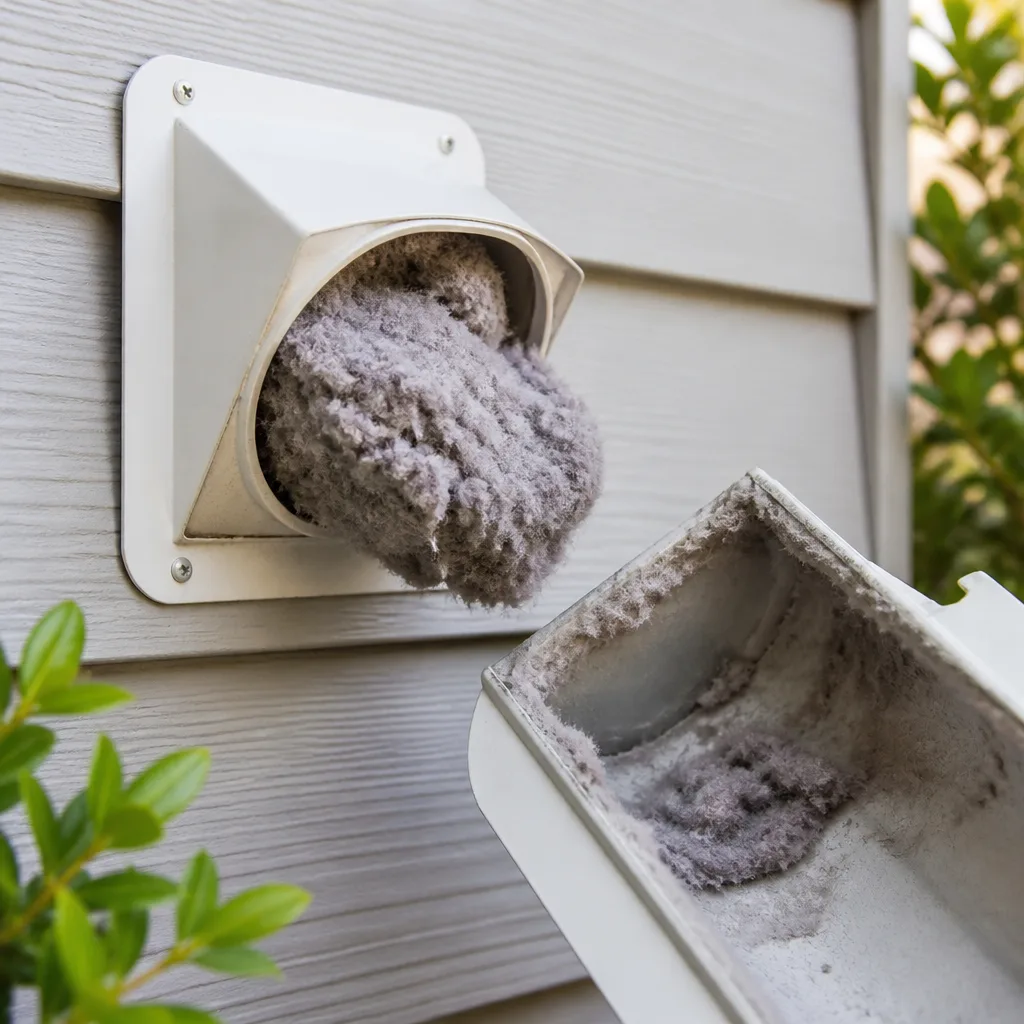 Dryer vent cleaning
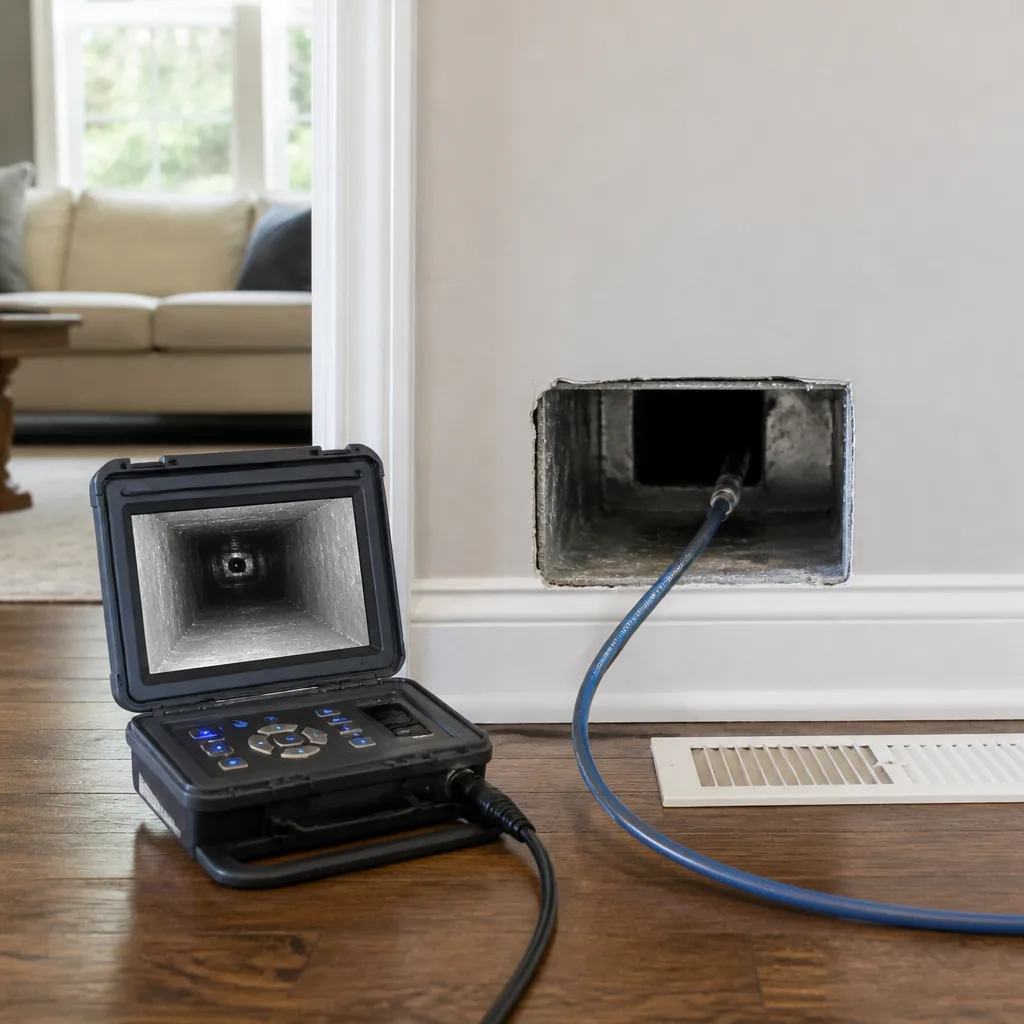 Camera inspection
 Sanitizing & deodorizing
Whole-system duct and dryer vent check with before-and-after photos - you see exactly what came out of your vents
That "$99 whole-house special" is a bait ad - the real number appears once they are in your hallway, or the "clean" is a shop-vac at the register. We photograph the inside of your ducts before and after instead.
The Complete Guide to Air Duct Cleaning in Spokane
Most homeowners think of duct cleaning as a seasonal chore, something to pencil in alongside gutter clearing. In Spokane, it isn’t that simple. This region has a set of air quality pressures that most national duct cleaning guides never mention: wildfire smoke that settles into valleys and lingers for weeks, cold-weather inversions that trap particulate matter close to the ground, and a housing stock where the ductwork itself ranges from 1950s sheet metal to 1990s flex line. Your ducts are part of Spokane’s local infrastructure, and they collect contamination in patterns specific to this city. This guide explains what actually accumulates inside ductwork here, how different duct materials need different cleaning methods, what the EPA’s guidance really says, and how to verify a job was done correctly.
Quick Answer
Air duct cleaning in Spokane is a whole-system process: a professional-grade vacuum creates negative pressure inside the ductwork while rotating brushes and compressed air dislodge accumulated debris, which is then captured and removed. The job typically takes two to five hours depending on the size and layout of the home, and it addresses smoke residue, dust, pet dander, and construction debris that build up over time. A proper cleaning ends with before-and-after photos and a visual inspection of accessible duct runs, so you can see exactly what was removed.
Table of Contents
- Why Spokane Ducts Get Dirty Differently
- How Wildfire Smoke Behaves Inside Your Ductwork
- Spokane Housing Eras and Duct Materials
- What the EPA Actually Says About Duct Cleaning
- Equipment Standards: Why Negative Pressure Matters in Spokane Homes
- The Cleaning Process, Step by Step
- How to Verify the Work Was Done Right
- When Cleaning Reveals Duct Damage
- Common Mistakes to Avoid
- When to Call a Professional
- Frequently Asked Questions
- The Bottom Line
Why Spokane Ducts Get Dirty Differently
Spokane sits in a bowl. The city and its surrounding neighborhoods – from the South Hill to the North Side, from Browne’s Addition out toward Spokane Valley – are positioned in a way that lets particulate matter settle and stay. During summer wildfire seasons, smoke drifts in from fires across the Pacific Northwest and can sit over the city for days or weeks. During winter, cold-weather inversions trap vehicle exhaust and wood smoke close to the ground. Both patterns push fine particulate matter into homes through every available opening, and your HVAC system is the largest one.
What makes this different from a generic “dusty ducts” story is the composition of what accumulates. Everyday household dust is largely skin cells, fabric fibers, and tracked-in soil. Wildfire smoke residue is different: it’s fine ash, partially combusted organic material, and charred particles, much of it small enough to stay airborne for long stretches and get carried deep into the return side of your system. It coats interior duct surfaces and settles into joints, plenum connections, and the fins of your air handler. Once it’s there, it doesn’t leave on its own.
We’ve seen the practical result in Spokane homes after a heavy smoke year: return registers that were clean the previous spring now show a grey film, and homeowners notice dust settling faster on surfaces throughout the house. That’s not imagination. When ducts hold particulate matter, air moving through them can pick some of it back up and distribute it. A thorough air duct cleaning addresses the source rather than the symptoms.
There’s also the seasonal rhythm in Spokane. Smoke season runs roughly July into September. Heating season starts not long after. If you clean in early summer and skip the filter change during smoke events, you undo much of the benefit. Understanding the local cycle is half the reason duct cleaning in Spokane isn’t a once-every-decade decision.
How Wildfire Smoke Behaves Inside Your Ductwork
Here’s the key point: wildfire smoke particulate doesn’t settle like household dust. Much of it is in the fine and ultrafine range – particles small enough to stay suspended in moving air and to lodge in places a vacuum nozzle can’t easily reach. Standard brushing alone won’t remove it. The particles cling to duct walls through a combination of moisture, static, and mechanical adhesion, and they build up in layers where air velocity drops: elbows, transitions, the top and bottom surfaces of horizontal runs, and the interior of the plenum.
Understanding why standard approaches fall short helps explain what a professional job actually does:
- Size – fine smoke particles pass through standard furnace filters in the MERV 8 to MERV 11 range. A filter catches what it can and lets the rest through. The particles that reach the ductwork stay there.
- Composition – smoke residue includes oily and acidic compounds from combusted material. These adhere to metal and flex duct surfaces more aggressively than mineral dust.
- Behavior – smoke particles don’t pile up like sand. They coat. A visual inspection of the top of a duct run will often show a uniform grey or brown film rather than a layer of loose debris.
What that means practically: a shop-vac and a spinning brush won’t touch it. Effective removal requires high-volume negative pressure to keep the particles from going airborne into the living space, combined with contact agitation – rotating brushes sized to the duct, plus compressed air whips at the joints – to break the coating loose. Professional-grade systems built around that combination, like those from Rotobrush, are designed for exactly this kind of job. The equipment brand matters less than the principle: you need negative pressure and mechanical contact at the same time.
We recommend running a good filter and changing it at the end of smoke season, but the ducts themselves need attention periodically – especially in Spokane homes that have been through multiple heavy smoke summers.
Spokane Housing Eras and Duct Materials
Air duct cleaning isn’t one method applied to one material. Spokane’s housing stock spans more than a century, and each construction era used different duct systems. A technique that’s appropriate for one can damage another. Here’s a rough guide to what you’ll find in homes across the Spokane area:
Pre-1960 Construction
Older homes, common in neighborhoods like Browne’s Addition, Manito, and parts of the North Side, often have original sheet metal ductwork or early forced-air systems retrofitted later. The metal is durable and takes aggressive cleaning well, but it may have deteriorated joints, undersized runs, or unsealed connections that let debris in. Some of these homes still have gravity furnace runs that were adapted for forced air without proper sealing. Cleaning needs to include sealing as part of the duct cleaning work.
1960-1985 Construction
Ranch-style homes from this era, common on the South Hill, in the Shadle area, and scattered through Spokane Valley, typically have sheet metal trunk lines with a mix of metal and early flex branch runs. The metal is heavier gauge and holds up well. Flex runs from this period may have deteriorated internally – the inner liner can separate and collapse, which is a duct repair issue, not just a cleaning one. A technician should inspect these before cleaning to avoid tearing already-compromised material.
1985-2005 Construction
Homes built in this window, including many in the newer subdivisions around the Spokane Valley and north toward Mead, often use flex duct extensively. Flex is efficient to install and works fine for air delivery, but it’s less tolerant of aggressive cleaning. The inner liner is a thin plastic membrane over a wire helix. Brushing needs to be gentle and appropriate to the material; overly aggressive agitation can abrade the liner. A vacuum-and-air-whip approach with reduced contact pressure is usually correct here.
2005 to Present
Newer homes in the Spokane area often use sealed, more airtight duct systems, sometimes with engineered duct board runs. Duct board is a rigid fiberglass product with a foil face. It cleans well but requires a technique that doesn’t tear the foil facing, and some homes have sections that need partial replacement if the interior surface has absorbed contamination. The cleaning approach here is careful, controlled, and assessed on-site.
The right approach for any Spokane home starts with knowing what you’re cleaning before the equipment comes out. A technician who doesn’t check duct materials first is a technician who hasn’t done this enough.
What the EPA Actually Says About Duct Cleaning
The EPA’s guidance is regularly misquoted by companies who want to sell annual duct cleaning. Here’s what it actually says, stripped of the sales spin: there’s no strong evidence that routine duct cleaning alone prevents health problems, and the EPA does not recommend cleaning ductwork on a fixed schedule. Instead, it recommends cleaning when there’s a specific reason – visible contamination, a known source of debris, or a system that has been flooded or otherwise compromised.
That’s an important distinction. The EPA isn’t saying don’t clean your ducts. It’s saying clean them when the situation calls for it, not because a calendar says so. The reasoning matters for Spokane homeowners in a specific way:
- Wildfire smoke accumulation is a legitimate reason. Multiple heavy smoke seasons can leave measurable residue inside ductwork even if the home was clean before.
- Visible debris at supply or return registers – dust, hair, debris falling out – is a real signal. If you can see it at the register, it’s worse inside the duct.
- Recent renovation or construction in the home generates drywall dust and debris that gets pulled directly into return ducts.
- Pest intrusion or rodent activity in a duct system can leave contamination that needs removal.
- Mold or musty odors that persist after the system has been assessed by a qualified professional should prompt investigation.
- Undersized return air – a common issue in older Spokane homes – creates low air velocity inside ducts, which allows debris to settle more aggressively.
Notice what’s not on that list: “once a year” and “every three years.” Those are sales schedules, not science. What we tell customers in Spokane is to clean when there’s a reason. After a bad smoke summer, there’s a reason. In a home that’s been quiet for years with a good filter routine and no smoke exposure, the situation may not call for it. A specialist’s job is to look at your actual ductwork and give you an honest assessment – which is why we offer free estimates. If it doesn’t need cleaning, we’ll tell you.
Equipment Standards: Why Negative Pressure Matters in Spokane Homes
The single biggest difference between a professional duct cleaning and a bad one is negative pressure: the ability to create a sustained vacuum inside the entire duct network while the cleaning is happening, so disturbed debris is pulled out instead of being blown into the house. In Spokane’s ranch-style homes – many of which are between 1,500 and 3,200 square feet with long horizontal duct runs – this matters more than in a compact home with short vertical runs.
Here’s why the equipment distinction is real and not marketing:
- Truck-mounted or high-CFM portable vacuums create enough air flow to keep a whole duct system under negative pressure during cleaning. Debris dislodged at the far end of a long return run is pulled back toward the collection point instead of leaking into a bedroom.
- Shop-vac or consumer-grade units can’t move enough air. They agitate debris and capture whatever happens to fall near the nozzle, leaving the rest airborne.
- Rotobrush and Nikro systems are built for the combination of negative pressure, mechanically driven brush heads, and compressed air. The brush head does the contact work while the vacuum does the capture. That’s the whole principle.
- Abatement Technologies equipment – used in more demanding air quality scenarios – provides the containment and air scrubbing capability that matters when the job goes beyond routine cleaning.
For larger Spokane ranch homes with extensive horizontal runs, the question isn’t just “does the vacuum work” but “does it hold negative pressure across the entire run.” That’s the practical test. A crew that brings portable units and runs a brush through one section at a time, without whole-system depression, is not doing the same job.
We use professional-grade Rotobrush and Nikro systems precisely because the local housing stock asks for it. And we keep Abatement Technologies equipment on hand for jobs that need more containment than a routine clean.
What about filtration and air quality systems?
Duct cleaning is one part of home air management. Filters, humidifiers, and air cleaners are the other. Our technicians work with trusted air quality systems including Honeywell and Aprilaire, which means we’re looking at your whole air handling picture, not just the interior of the ducts. If your air cleaner is undersized or your humidifier isn’t integrated correctly, no amount of duct cleaning will fix the underlying air quality issue.
The Cleaning Process, Step by Step
A proper professional duct cleaning proceeds in a specific order. Here’s what a well-run job looks like:
- Inspection and material check. Before any equipment comes out, the technician assesses the duct materials, accessibility, and visible contamination. Flex, sheet metal, and duct board each need a different approach.
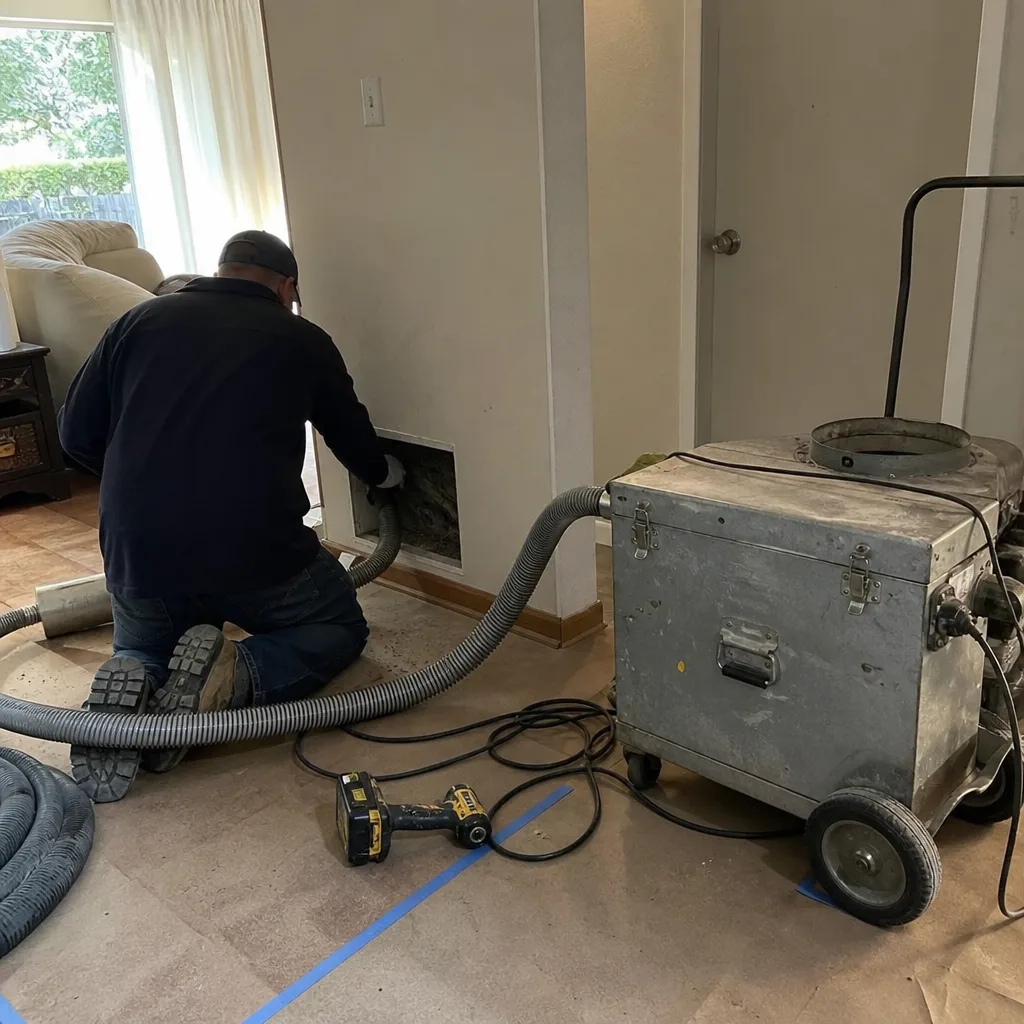
- Set containment and negative pressure. Registers are sealed, and the main vacuum connection is established at the plenum or a dedicated access point. Pressure is verified before power tools engage.
- Mechanical agitation. Rotating brush heads, sized to the duct run, work through each accessible branch. Compressed air whips break debris loose at elbows and transitions where buildup concentrates.
- Collection and removal. Debris flows into the collection unit. Depending on the system, the collected material is bagged or captured in a HEPA-rated unit and removed from the home.
- Air handler and coil attention. The blower compartment and accessible coil surfaces are inspected. Cleaning them is part of the system job, not a separate upsell.
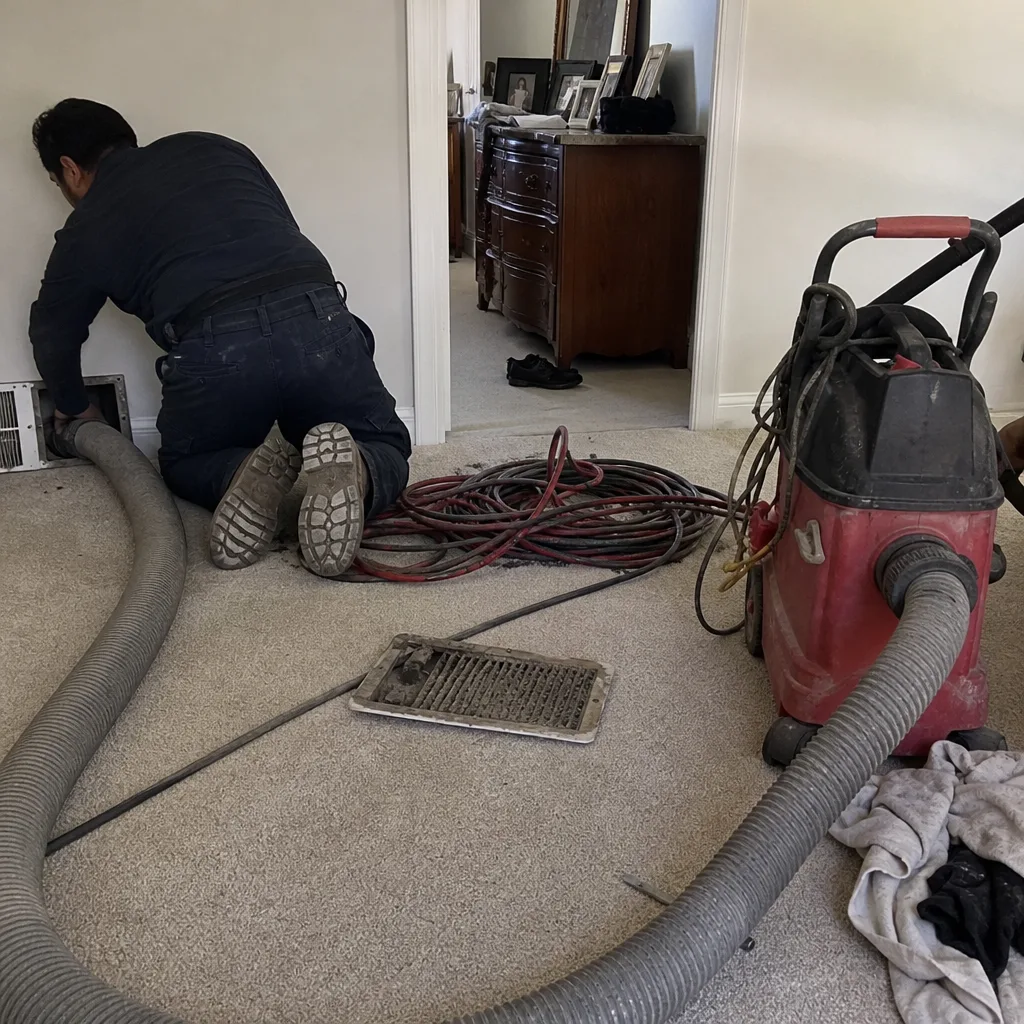
- Inspection and photo documentation. Before-and-after photos are taken of the same runs, from the same angles, so you can see what left the system.
- Reassembly and functional check. Registers are re-sealed, the system is run, and airflow is verified.
If duct repair is needed along the way – a separated flex run, a collapsed liner, a disconnected branch – that gets addressed on the same visit rather than sending you to find a second contractor. Clean ducts. Repaired ducts. Done right.
How to Verify the Work Was Done Right
This is the part most homeowners don’t know to ask for. When a duct cleaning is finished, the technician should be able to show you evidence. Here’s what a legitimate verification looks like:
- Before-and-after photos of the same duct runs, taken from the same access point. Not stock photos, not generic portfolio shots. Your ducts, your camera angles.
- A visual inspection of representative supply and return runs. The technician should walk you through what they saw and what was removed.
- Collected debris shown to you. A well-run cleaning produces visible material. Ask to see what came out.
- A written summary that lists the runs cleaned, any issues found, and any recommended repairs.
- Verification that the system was under negative pressure during the work – this is why a photo of an interior surface after cleaning is meaningful, and a photo of a shop-vac nozzle in a register is not.
If the crew can’t show you the before-and-after, that’s a red flag. Not because they necessarily did bad work, but because verifiable documentation is the minimum standard for the job. We build it into every cleaning because that’s how a homeowner should be able to confirm what happened.
When Cleaning Reveals Duct Damage
Duct cleaning is a diagnostic act. Once the system is opened up and accessible runs are inspected, problems that had been quietly degrading efficiency show up. In Spokane, the most common ones we encounter:
- Separated flex runs. The inner liner peels away from the wire helix, creating leaks and reducing delivered airflow.
- Disconnected branch connections. A run that’s come loose from the trunk dumps conditioned air into crawlspaces or wall cavities instead of your rooms.
- Collapsed or crushed ductwork. Common where a previous owner or remodeler used duct runs as a footpath in the attic.
- Unsealed joints and plenum connections. Older Spokane homes often have gaps at joints that should have been sealed at installation.
Generalist HVAC companies typically clean and move on, because repair on the same visit isn’t part of their workflow. We offer air duct cleaning and repair on the same ticket precisely because separating the two lets problems survive. When your technician finds a damaged run, the fix happens before the visit ends.
Air duct repair isn’t a separate discipline for us. It’s part of the same job because clean ducts that don’t deliver air properly are still a problem.
Common Mistakes to Avoid
- Choosing the lowest bid without asking about equipment. A duct cleaning that runs $99 or $149 is usually a shop-vac and a brush. Ask what vacuum the crew uses and what CFM it produces. If the answer is vague, that’s the answer.
- Believing “once a year” is a universal rule. It isn’t. The EPA’s own guidance is to clean when there’s a reason, not on a fixed schedule. In Spokane, a post-smoke-season cleaning makes sense after a heavy summer. A home that’s been quiet for years may not need it.
- Skipping the material check before cleaning. Flex duct, sheet metal, and duct board each need different handling. A crew that starts cleaning without checking duct materials risks damaging thin flex liners and duct board faces.
- Not asking for before-and-after photos. If the crew can’t document the job, you don’t have proof. This isn’t just a trust issue – photos are the standard verification for a professional cleaning.
- Assuming a generalist HVAC company will do it properly. Many do. But the technician dispatched to your Spokane home may have been doing plumbing last week. A specialist who works in duct and dryer vent service every day is a different starting point.
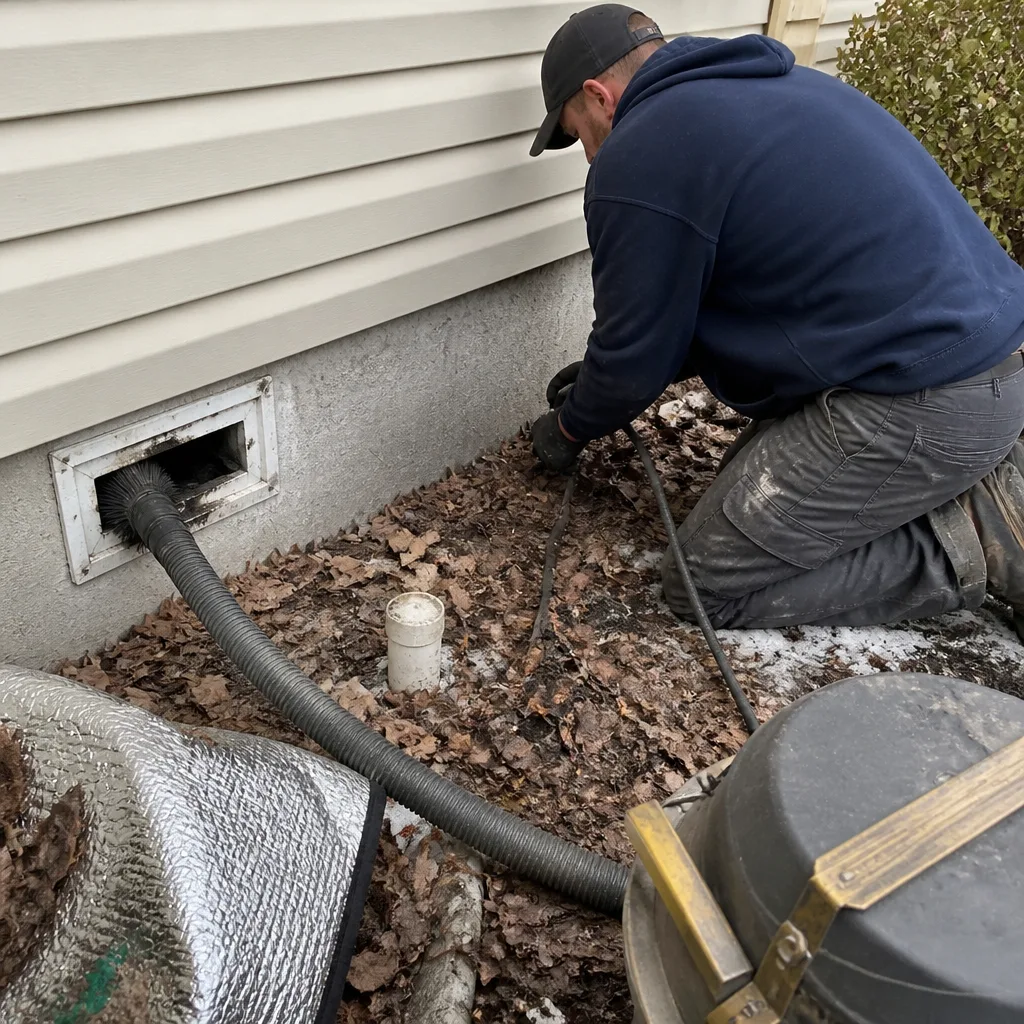
- Ignoring the dryer vent. Dryer vent cleaning is a separate service, and it’s often skipped entirely. It’s fire prevention work, not housekeeping. A clogged dryer vent is a fire hazard regardless of how often you clean your ducts.
- Believing a filter upgrade replaces cleaning. A better filter catches more at the filter. What gets past it still coats the ducts. Filtration and cleaning work together, but one doesn’t substitute for the other.
When to Call a Professional
You don’t need duct cleaning on a fixed schedule. You do need it when there’s a specific signal – visible debris at registers, musty odors you can’t trace, a heavy smoke summer behind you, recent renovation dust that’s worked its way into returns, or a home inspection that flagged duct issues. If your last cleaning was years ago and you’re noticing dust settling faster or the system cycling oddly, an inspection is worth the conversation.
Duct Cleaning Spokane offers three services and only three: air duct cleaning, dryer vent cleaning, and air duct repair. Every technician dispatched works in these disciplines exclusively. When you call, we’ll ask what you’re seeing and schedule the right assessment. We answer 24/7. Fast dispatch from 7am to 7pm, Sunday through Friday. Call Duct Cleaning Spokane at (866) 963-7098 for a free estimate.
Frequently Asked Questions
Typical estimates for whole-home duct cleaning in Spokane run in a range that depends on the size of the home, the number of duct runs, and the condition of the system. Rather than quote a per-vent price that isn’t a real number, we set one flat price for the whole system, agreed before any work starts and confirmed in a written estimate. That way the final price is the price you were quoted. Call (866) 963-7098 for a free estimate.
There isn’t a fixed schedule that fits every Spokane home, and any company that tells you otherwise is selling a calendar, not a service. The realistic answer: clean when there’s a reason – visible contamination, a heavy wildfire smoke season behind you, recent renovation, or persistent odors. For homes in Spokane with a good filter routine and no smoke exposure, that may stretch longer between cleanings. A free estimate will tell you what your specific system actually needs.
Because they’re quoting a different job. A $99 or $149 quote typically covers a shop-vac and a brush run through the visible registers – no whole-system negative pressure, no before-and-after documentation, no material inspection. The difference in price reflects a difference in equipment and scope, not a difference in markup. If a quote doesn’t specify the equipment used and doesn’t include photo verification, it’s worth asking what the crew will actually be doing inside your ducts.
You should be shown before-and-after photos of the same duct runs, taken from the same access points, plus a visual walkthrough of representative supply and return runs and a written summary of what was cleaned. If the crew can’t produce those, that’s a real concern. We photograph every job because verifiable proof is part of the service, not an add-on you have to request.
In many cases, yes. Wildfire smoke residue behaves differently from ordinary dust – fine particles and oily compounds coat duct interiors rather than settle loosely, and they stay there long after the sky clears. If Spokane had a heavy smoke summer and your home runs its HVAC during it, the return side of your system is where that residue ends up. A free estimate can tell you whether cleaning is the right call or whether a filter-focused approach is enough.
Not with the same method, no. Flex duct, sheet metal, and duct board each need different handling, and a technician should inspect duct materials before any equipment comes out. Aggressive brushing on a thin flex liner or the foil face of duct board can cause damage. If a company doesn’t mention material inspection before cleaning, ask. It’s the difference between a professional job and an inexperienced one.
The Bottom Line
Duct cleaning in Spokane is a local air quality issue with a local solution. Wildfire smoke residue, inversion-season particulate, and the wide range of duct materials in Spokane housing stock all mean generic advice doesn’t fit. The right approach is specific: inspect materials first, use professional-grade negative-pressure equipment, run the cleaning with proper containment, photograph the results, and repair any damage found on the same visit. Cleaning on a reason-driven schedule is better than cleaning on a calendar. If the work is done right, you’ll have photos that show exactly what came out of your ducts. Call (866) 963-7098 for a free estimate.
Written by the team at Duct Cleaning Spokane.
Styles & brands we work with
- Whole-home duct cleaning
- Dryer vent cleaning
- Camera inspection
- Sanitizing & deodorizing
See the difference
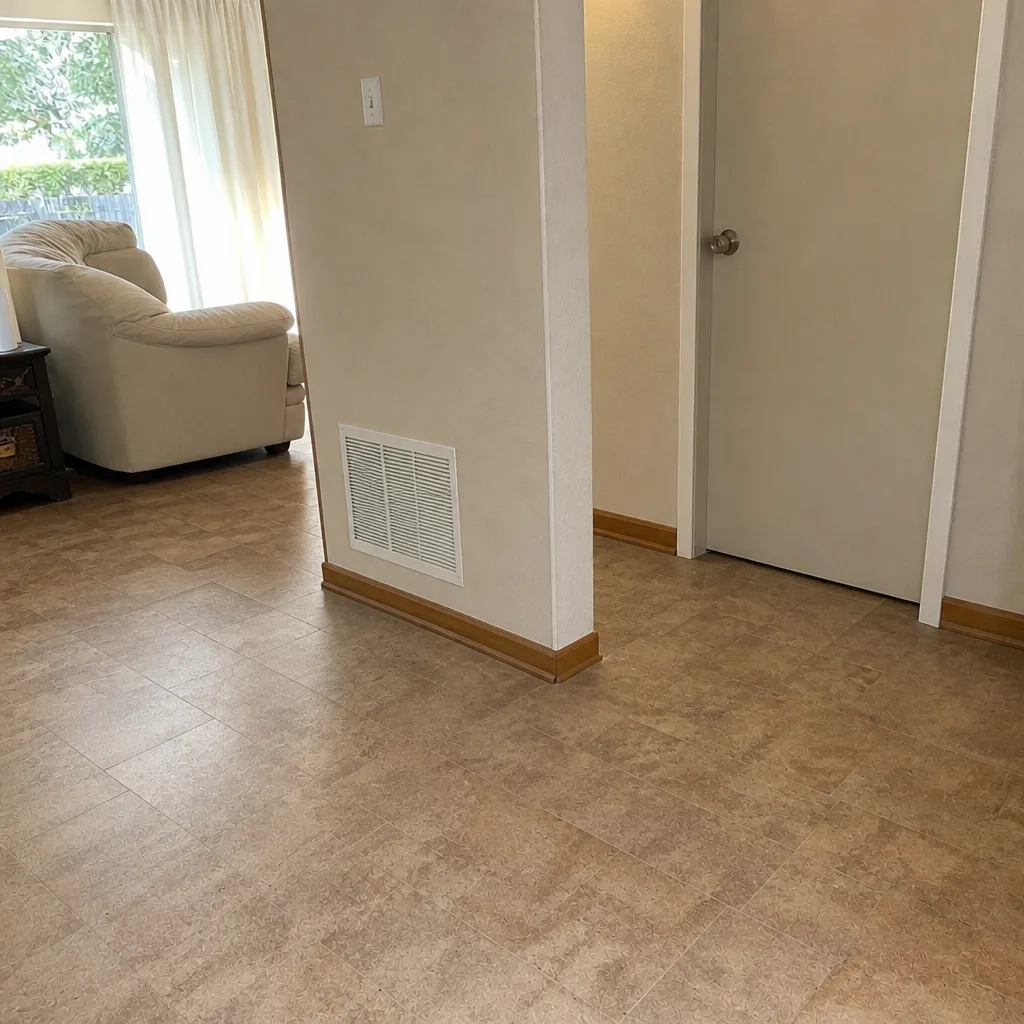
 Before
 After
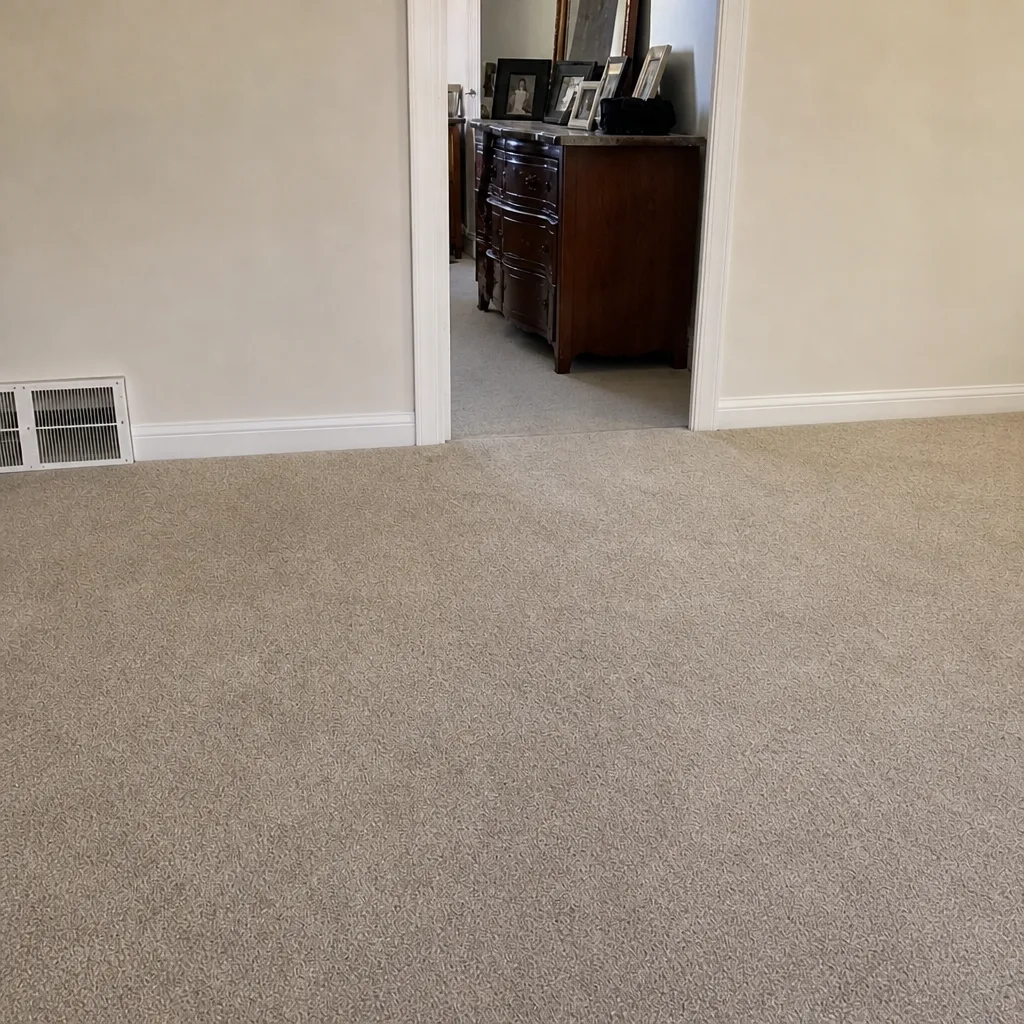
 Before
 After
 Before
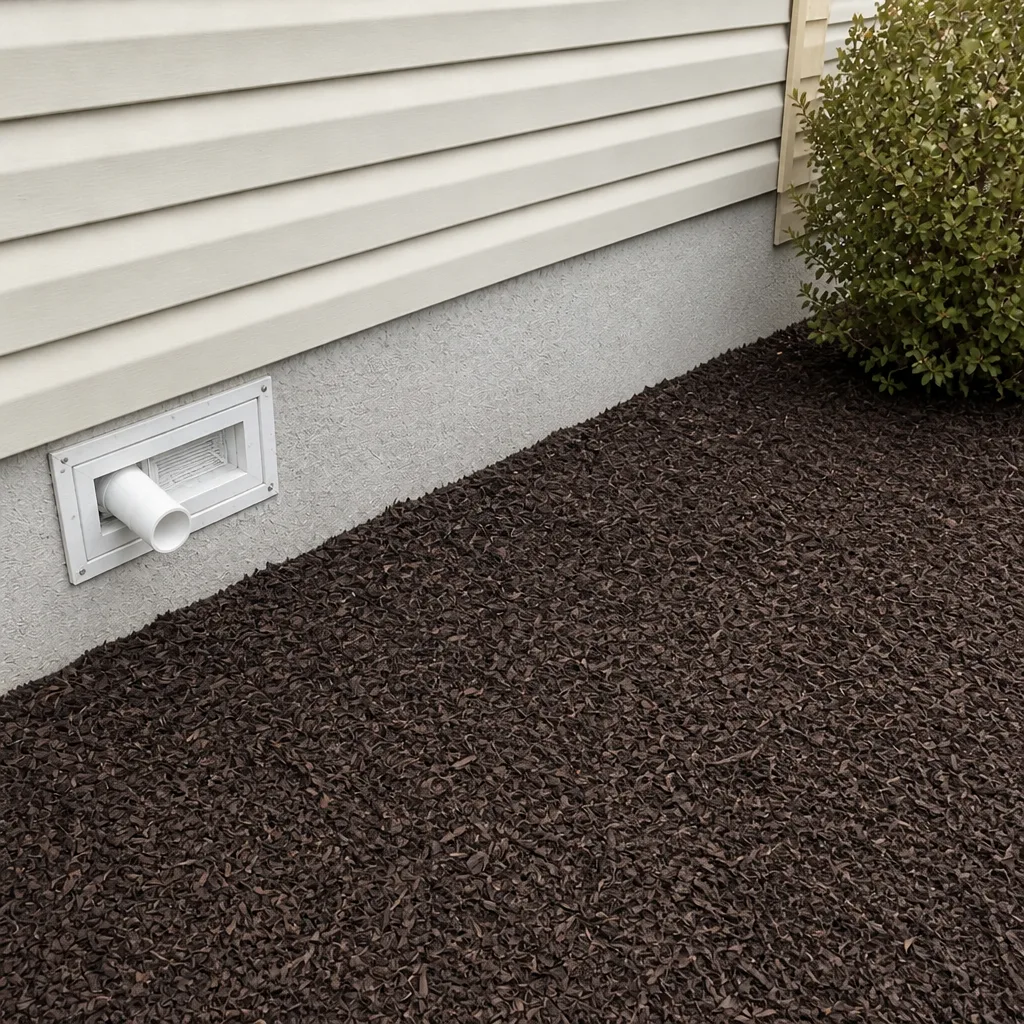 After