
Last updated November 14, 2026
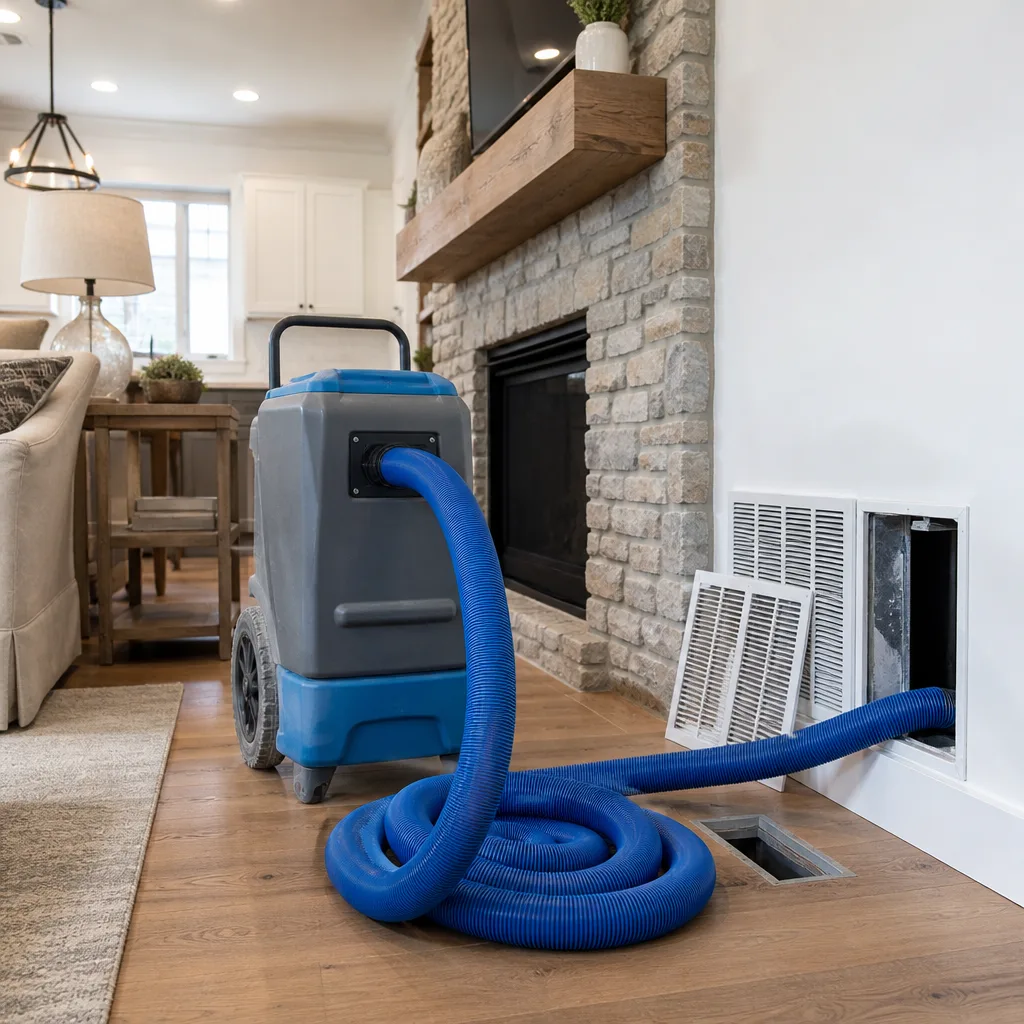 Whole-home duct cleaning
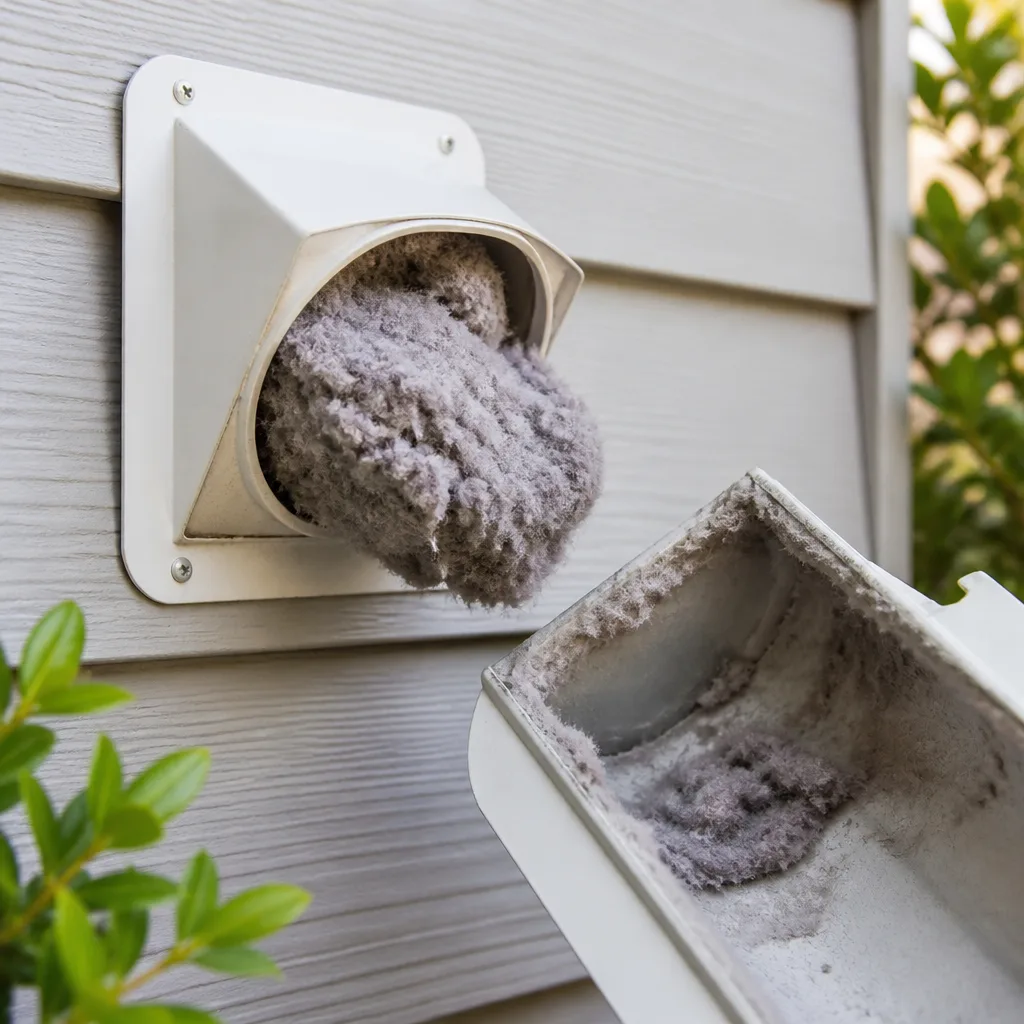 Dryer vent cleaning
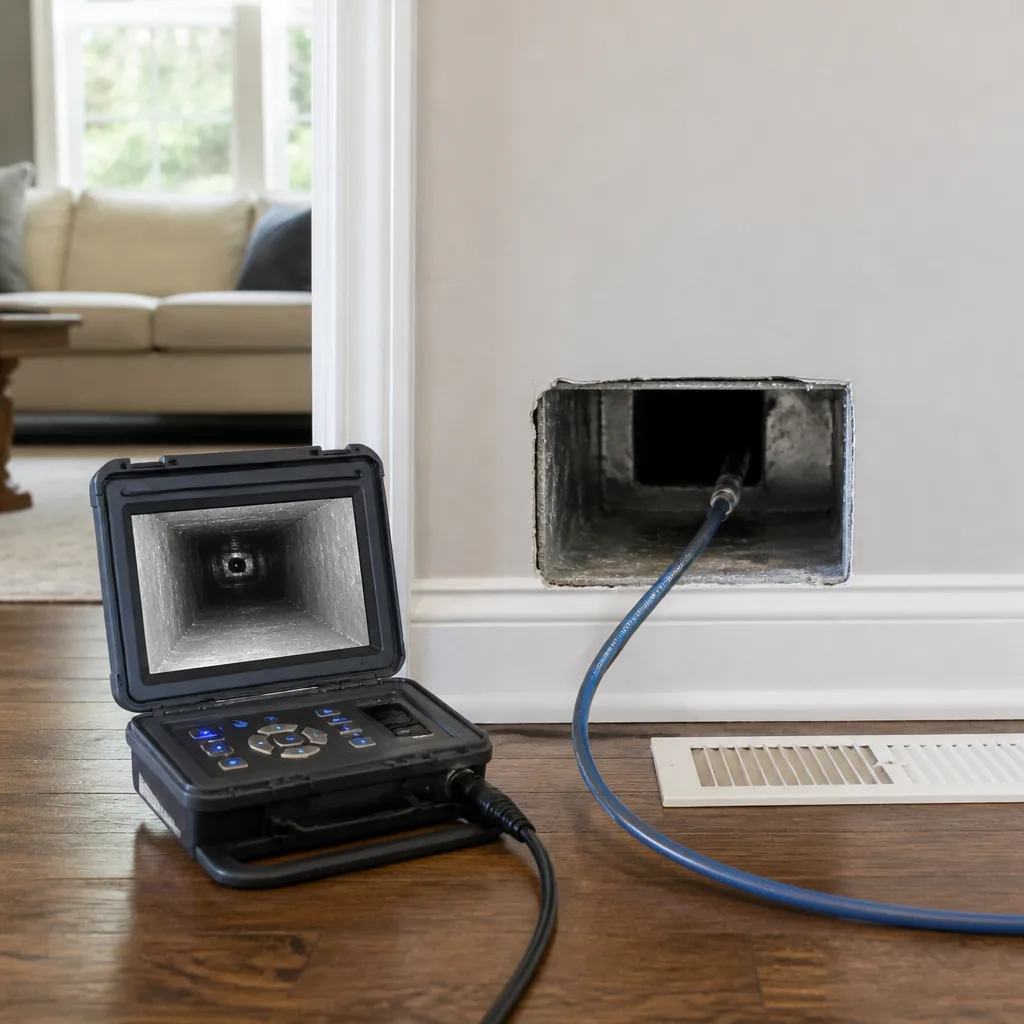 Camera inspection
 Sanitizing & deodorizing
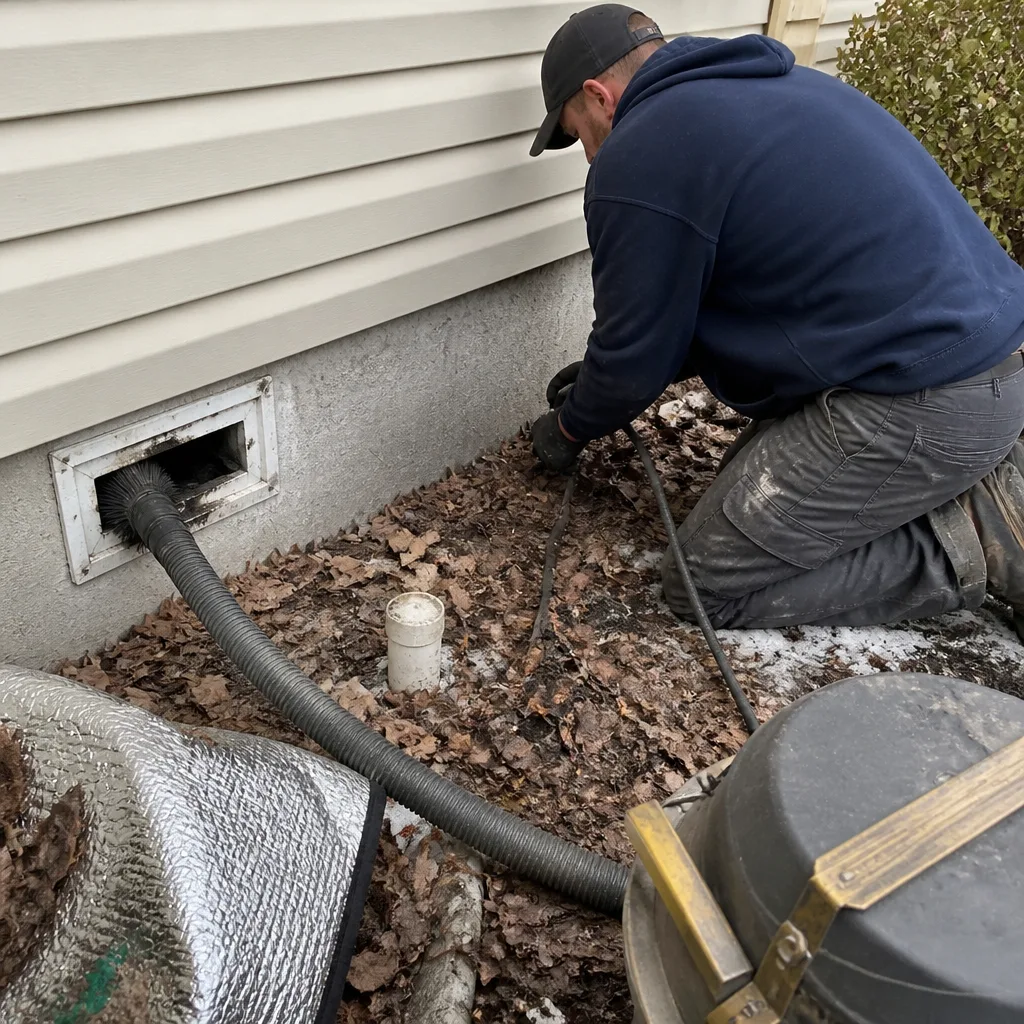
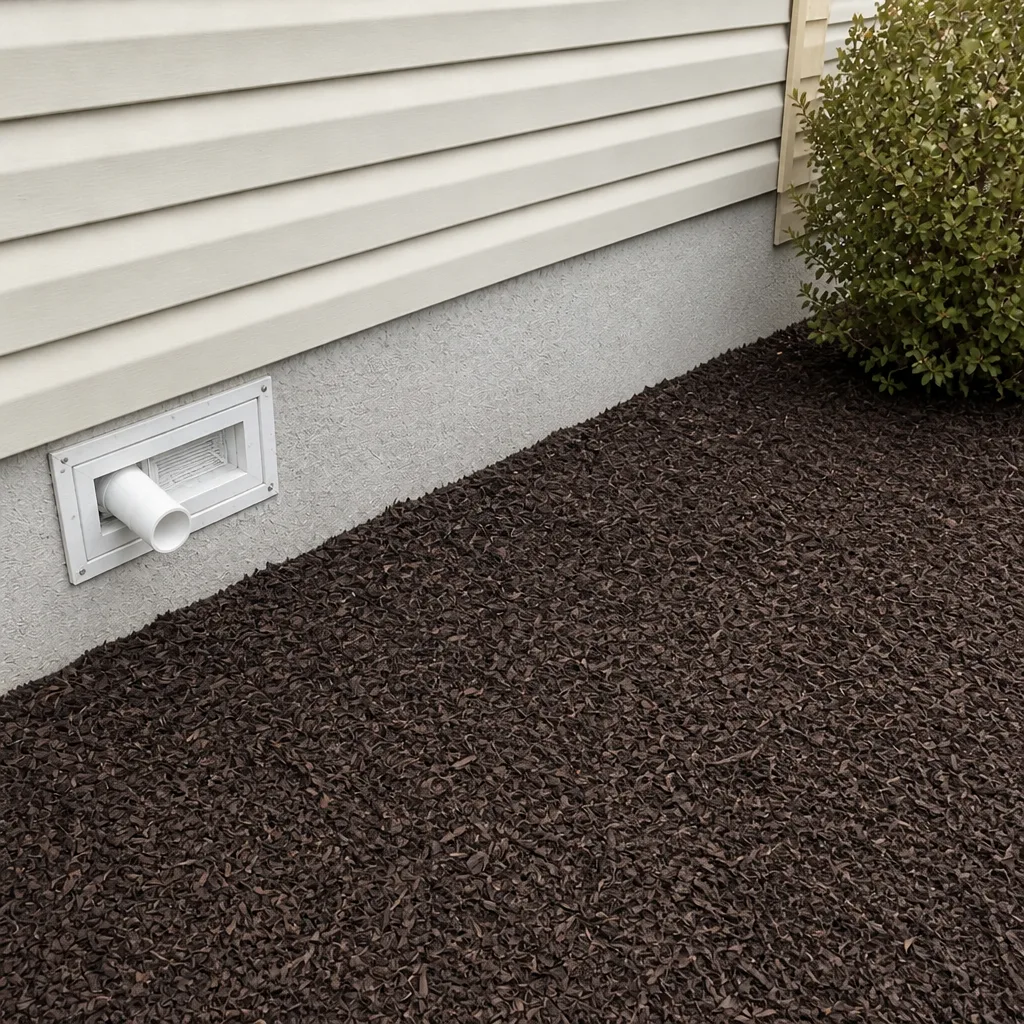
Whole-system duct and dryer vent check with before-and-after photos - you see exactly what came out of your vents
That "$99 whole-house special" is a bait ad - the real number appears once they are in your hallway, or the "clean" is a shop-vac at the register. We photograph the inside of your ducts before and after instead.
How to Hire an Air Duct Cleaning Contractor in Spokane: A Step-by-Step Guide
The strangest part of shopping for duct cleaning in Spokane is that the honest specialist and the bait-and-switch operator can run nearly identical ads. Same stock photo of a smiling technician. Same promise of a “whole-home deep clean.” The difference only shows up when you ask specific technical questions, and most homeowners don’t know which questions to ask. The FTC has documented this playbook for years: a company advertises a low number, arrives with a shop vac and a leaf blower, then upsells chemical treatments your ducts don’t need. It’s still running in Spokane today. What follows is a vetting framework built around equipment, credentials, pricing math, and contract language, so you can spot the wrong contractor before they’re standing in your living room.
Styles & brands we work with
- Whole-home duct cleaning
- Dryer vent cleaning
- Camera inspection
- Sanitizing & deodorizing
Quick Answer
To hire an air duct cleaning contractor in Spokane, ask three equipment questions before you book: what vacuum CFM rating they use, what agitation method they use (contact vacuuming, rotary brush, or compressed air), and how they verify negative pressure during the job. Then verify NADCA certification on the association’s public database, not just membership, and expect a written scope by zone with before-and-after photos. If a quote is under $200 for a whole home, the math doesn’t work for a correctly performed job.
Table of Contents
- Why Duct Cleaning Ads All Sound the Same
- The Three Equipment Questions to Ask Before Booking
- NADCA Membership vs. NADCA Certification: What Actually Matters
- Red-Flag Pricing Structures and Realistic Spokane Rates
- What a Legitimate Pre-Cleaning Inspection Looks Like
- Contract Language You Should Require
- A Step-by-Step Vetting Walkthrough for Spokane Homeowners
- Common Mistakes to Avoid
- When to Call a Professional
- Frequently Asked Questions
- The Bottom Line
Why Duct Cleaning Ads All Sound the Same
The Spokane duct cleaning market runs on two parallel tracks. On one side are dedicated specialists who invest in professional equipment and treat duct work as a discipline. On the other are companies that quote $49 or $99 as a door-opener and pivot to upsells on arrival. From the outside, these two operations look almost identical. Both advertise “whole-home cleaning.” Both promise “improved air quality.” Both have a website with a phone number and a smiling stock photo.
The reason the ads blur together is that duct cleaning is nearly invisible work. The homeowner can’t see inside the ductwork. The equipment is unfamiliar. The process happens in basements, attics, and crawl spaces that most people never inspect. That invisibility is exactly what the low-bid operator depends on. They’re not selling a service; they’re selling access to your home, and once they’re inside, the script flips.
What actually separates the two tracks is verifiable: the equipment by name and spec, the certification database entries, the pricing structure, and the contract language. Each of those can be checked before you book, and that’s the entire point of this guide. A homeowner who knows what a Rotobrush or Nikro system does, what negative pressure means, and why a $99 whole-home quote doesn’t add up is a homeowner the low-bid operator cannot close.
The guide is written from the perspective of a company that does this work in Spokane, and there’s a second track here worth naming. Duct cleaning always involves opening holes in the system, and sometimes what comes back is torn insulation, disconnected joints, or a crushed flex run that’s been hidden for years. That’s a real finding, not an upsell. A credible contractor can repair those issues on the same visit. An operator who only cleans and leaves is telling you something about their business model. Our duct cleaning in Spokane operation treats cleaning and repair as one discipline for exactly that reason.
Be ready to hear both “we need to clean this” and “this needs a repair before we clean it.” The second answer is often the honest one. Windstorms in spring and summer kick up pine pollen and Saharan dust funneled through the Columbia Basin, and Spokane’s older housing stock – much of it built in the 1950s through 1980s with rigid metal ductwork – accumulates that debris in ways newer homes don’t. That’s context, not drama. It just means the assessment should be specific to your house.
The Three Equipment Questions to Ask Before Booking
This is the heart of the guide. If you ask only one thing before booking a duct cleaner in Spokane, ask about the equipment. Every legitimate contractor will answer these three questions without hesitation. Every unrehearsed operator will fumble at least one.
1. What is the CFM rating of your vacuum system?
CFM stands for cubic feet per minute, and it’s the measure of how much air volume the vacuum can move through the ductwork while the cleaning happens. CFM is what creates the suction that lifts debris from the duct walls and keeps it in the collection system. A consumer-grade shop vac is measured in single digits to low double digits. A properly sized truck-mounted or high-powered portable duct vacuum runs in the thousands of CFM. The specific number matters less than the fact that the contractor knows it. If they can’t tell you, they’re not using professional equipment.
Legitimate answers sound like: “We’re running a truck-mounted unit with a specific CFM rating for the length of run we’re cleaning,” or “for tighter residential runs, we use a portable professional vacuum rated for the system.” Professional systems from brands like Nikro or Rotobrush are built around this specification. Consumer-grade vacuums and leaf blowers are not. That distinction is the difference between a real clean and a performance.
2. What agitation method do you use?
Agitation is the physical action that loosens debris from the duct walls. No vacuum alone can lift packed dust, hair, and debris from the duct surface. Something has to break it loose first. There are three legitimate methods:
- Contact vacuuming – a technician physically brushes the inside of the ductwork with a tool attached to the vacuum line. Best for accessible rigid metal ducts.
- Rotary brush or cable-driven brush – a motorized brush spins inside the duct to scrub the walls. Effective on both rigid and flex duct, with the right brush head.
- Compressed air with air whips or skipper balls – pressurized air scatters debris toward the vacuum pickup point. Effective in corners and complex runs.
A legitimate contractor will name the method or methods they’ll use and explain why for your specific system. A weak answer is “we use air pressure” with no further detail. A weaker answer is “we brush and vacuum” without being able to explain how. The best contractors often combine methods: rotary brush on the main trunk, compressed air whips on the branches, then contact vacuum at the vents.
3. How do you verify negative pressure during the job?
Negative pressure is the technical term for the state where the vacuum pulls more air out of the duct system than the cleaning process introduces. It’s the whole reason the debris goes into the collection system instead of into your living room. If negative pressure isn’t maintained and verified, the cleaning spreads contamination through the house rather than removing it. Ask specifically how they verify it. Legitimate answers involve a manometer, a smoke test, or a documented procedure for sealing return registers and the air handler. Vague answers mean they’ve never thought about it, which usually means the cleaning won’t protect your indoor air.
For scenarios where indoor air quality is elevated – recent renovation, a household member with respiratory sensitivity, or prior water intrusion – professional contractors bring Abatement Technologies equipment to establish containment. That’s an additional layer of professional-grade gear that distinguishes a specialist from a shop-vac operation. You don’t need to know the brand name to vet the contractor. You just need to hear that containment is part of the plan.
NADCA Membership vs. NADCA Certification: What Actually Matters
This is where a lot of Spokane homeowners get tripped up. The National Air Duct Cleaners Association (NADCA) offers both membership and individual certification, and they are not the same thing. A company can pay for membership without holding certification. A technician can hold certification without the company passing additional standards. The distinction matters when you’re vetting a contractor.
NADCA membership means the company has joined the association and agreed to its code of ethics. That’s a baseline. NADCA certification – specifically the Air Systems Cleaning Specialist (ASCS) credential – is an individual credential that requires passing an exam, meeting continuing education requirements, and staying current. A truly vetted contractor will have at least one ASCS-certified technician on staff, and ideally the company will hold the higher organizational credentials the association issues to firms that meet additional standards.
How to verify credentials on the NADCA public database
NADCA maintains a public database of certified professionals, and verification takes a few minutes:
- Visit the NADCA website and find the “Find a Professional” or “Verify a Member” lookup.
- Search by company name, by individual name, or by zip code for Spokane.
- Confirm the certification status shown is current, not expired.
- Ask the contractor directly for the name and certification number of the ASCS-certified technician who will be on-site. Then verify that name in the database.
- If the contractor claims certification but cannot produce a name or number that matches the database, take that claim off the table.
A legitimate contractor will welcome this. A company that gets defensive about a database lookup is telling you something important. Our own technicians have up to 13 years of experience in this trade, and we treat certification as the floor, not the ceiling – it’s the credential that separates a specialist from a company running duct cleaning as a side offering between HVAC installs.
Red-Flag Pricing Structures and Realistic Spokane Rates
Here’s the pricing reality that the low-bid operator doesn’t want you to do the math on. A correctly performed whole-home duct cleaning in Spokane takes two technicians, professional vacuum equipment, agitation tools, containment supplies, and several hours of labor. The equipment alone represents a meaningful capital investment. The labor plus the equipment plus the travel plus the verification all have a cost. A quote under $200 for a whole home does not cover that cost. It covers about enough to send one person with a shop vac and a leaf blower for an hour.
Realistic Spokane market rate ranges
These are typical ranges, not fixed prices, and the written estimate sets the final cost for your specific home. Use them as a benchmark, not a promise:
- Standard whole-home air duct cleaning, single-family home, up to about 15 vents: $450 – $750, depending on system size, number of returns, and access difficulty.
- Larger home, more vents, or multiple HVAC systems: $700 – $1,200.
- Residential dryer vent cleaning: $150 – $250 for most homes, more when the run is long, the vent is on a roof, or the duct material is flexible.
- Air duct repair (torn joint, disconnected flex, crushed run, insulation replacement): quoted per job after inspection, often $200 – $800 depending on the repair type and the number of affected sections.
Red-flag pricing structures to watch for
Some patterns are worth naming. A quote that starts with a coupon for $49 or $99 for whole-home cleaning is a door-opener. A quote given over the phone with no inspection is a number chosen to get a technician into your home. A pricing model that charges “per vent” pushes the technician to upsell additional vents on-site. A quote that adds a “chemical sanitization” line item for a duct system that doesn’t show microbial growth is a fee without a function. A quote that balloons significantly once the technician is in your home without written justification is the entire bait-and-switch playbook compressed into one visit.
The legitimate structure is simpler: one flat price per system, agreed before work starts, based on what the pre-cleaning inspection actually found. No per-vent pricing. No surprise chemical treatment. No invoice that doubles after the truck door opens. When you’re comparing quotes, ask each contractor to put that structure in writing before you schedule. A contractor with a whole-home cleaning operation will agree. A contractor running the low-bid playbook will find a reason not to. That comparison alone tells you a lot about a Spokane duct cleaning company.
What a Legitimate Pre-Cleaning Inspection Looks Like
No contractor can quote a real number without seeing your system. The pre-cleaning inspection is where the honest contractor and the low-bid operator part ways most clearly. An honest contractor inspects before quoting. The low-bid operator quotes on the phone, arrives with the price already chosen, and discovers the “need” for upsells only after the shop vac is plugged in.
What a real inspection checks
A legitimate pre-cleaning inspection in Spokane should include:
- Access point survey – where the ducts can be opened, whether existing access panels are present, and what new access is required. Rigid metal systems in older Spokane homes often need new access cut, and the inspection should anticipate that.
- Duct material identification – rigid metal, flex duct, duct board, or a mix. Each material cleans differently and requires different agitation tools. A system with flex branches and a rigid trunk is entirely normal and needs to be inspected as such.
- System configuration – number of returns, number of supplies, whether there are multiple HVAC systems or zoning, and where the air handler sits. This is what drives the labor estimate.
- Condition assessment – evidence of moisture, rodent activity, disconnected sections, crushed runs, or torn insulation. If any of those are present, the cleaning scope changes and repair may need to happen first.
- Visual documentation – photos of accessible duct interiors before cleaning. This is the baseline for the before-and-after documentation that follows the job.
The inspection also tells you something about the contractor’s focus. A specialist will inspect with duct-specific tools and vocabulary. A generalist HVAC company will often send a technician who handles duct cleaning as one line item among many, and the inspection reflects that. Our approach leans on professional-grade equipment – including air duct cleaning systems from Rotobrush and Nikro – specifically because the inspection and the cleaning use the same gear. The tools a contractor brings to the inspection tell you what kind of operation they run.
One more part of the inspection conversation worth listening to: filtration. Homes in Spokane with filtration systems from Honeywell or Aprilaire often have media cabinets, humidifiers, or air cleaners integrated with the ductwork. A contractor who understands those systems will inspect them as part of the job and won’t accidentally damage the media or leave the system inoperable after cleaning. A specialist is the safer pair of hands here.
Contract Language You Should Require
The work order or contract is where a lot of duct cleaning disputes originate. If the paperwork is vague, you have no recourse if the work doesn’t match the sales pitch. Before you sign, require specific language on four points.
1. Scope of work by zone
The contract should specify which portions of the system are being cleaned: main supply trunk, individual supply branches, return ducts, air handler, plenum. A contract that says “whole-home duct cleaning” without zone specifics leaves room for the contractor to skip the harder-to-reach areas. Zone-by-zone scope also makes the flat-price structure defensible, because you know what you’re paying for.
2. Before-and-after documentation method
The contract should specify how the contractor will document the work: photos of duct interiors before cleaning, photos of the same points after, and whether the documentation will be delivered to you at the end of the job or emailed later. Require the photos of your own ducts, not stock documentation. Our own work standard is to provide before-and-after photos of the specific system we cleaned, and that should be a common standard across the Spokane market.
3. Recourse if contamination is found post-service
If a technician finds significant contamination – rodent droppings, mold growth, standing moisture – during cleaning, the contract should describe how that’s handled. The legitimate answer is: cleaning stops, the finding is documented, and the contractor discusses next steps with you before any further work happens. A generalist duct cleaner might proceed, add a chemical treatment to your invoice, and leave. A specialist with repair capability on the same ticket can address the actual issue. Our Spokane service includes air duct repair as a core offering precisely because we don’t want a homeowner stranded between two contractors when a real problem is found.
4. Cancellation and refund terms
Ask for the cancellation policy, the refund terms if the work isn’t delivered to specification, and whether there’s any customer satisfaction guarantee documented. A written guarantee means something; a verbal assurance from a phone rep doesn’t. If the contract is vague on this point, get it clarified before signing.
Have the contract questions ready and want a straight answer? Call (866) 963-7098. We answer 24/7. Fast dispatch from 7am to 7pm, Sunday through Friday.
A Step-by-Step Vetting Walkthrough for Spokane Homeowners
This is the guide compressed into a sequence. If you follow these steps in order, you’ll filter out the low-bid operators before they ever set foot in your home.
- Search for contractors. Look for Spokane duct cleaning companies that offer duct cleaning as a core service, not as one line item in a broader HVAC menu. Companies that also do duct repair and dedicated dryer vent cleaning are generally specialists; companies that list duct cleaning between furnace tune-ups and electrical work usually aren’t.
- Call and ask the three equipment questions. The vacuum CFM rating, the agitation method, and the negative pressure verification. If any answer sounds like improv, cross the company off your list.
- Ask for the name and certification number of the ASCS-certified technician. Then verify it in the NADCA public database. Do not accept “we’re NADCA certified” without the individual credential behind it.
- Schedule a pre-cleaning inspection. No inspection, no quote. A contractor who can quote over the phone is quoting a number, not a job.
- Compare the inspection findings and quote structure. Ask each contractor whether the quote is flat per system or per vent, and whether the price covers agitation and containment. Compare on scope, not on the lowest number.
- Request the contract or work order in writing before you sign. Confirm the scope is by zone, the documentation method is specified, and the recourse terms are documented.
- On the day of service, confirm the equipment that shows up matches the equipment promised on the phone. Professional vacuum systems and agitation tools have a specific look. A shop vac and a leaf blower don’t.
- Verify the documentation at the end of the job. Before-and-after photos of your own duct interiors, not a stock image. If the contractor can’t produce them, ask why.
- Hold the final invoice against the written estimate. No line item on the invoice should be absent from the estimate unless a genuine post-inspection finding justified it and you approved it first.
This sequence sounds like a lot of effort. It takes about an hour of phone work and one inspection. The alternative – one hour of a low-bid visit and a $600 surprise invoice – is measurably worse.
Common Mistakes to Avoid
- Booking on the lowest price without asking about equipment. A quote 60% below the Spokane market rate isn’t a better deal, it’s a different service. Ask what equipment is coming before you compare dollars.
- Confusing NADCA membership with NADCA certification. Membership is a company-level association join. Certification is the individual technician credential that matters for the work itself. Verify the certification, not the logo on the website.
- Accepting a phone quote without a pre-cleaning inspection. A number quoted over the phone is not a real estimate. It’s a number chosen to get a technician into your home. Insist on an inspection.
- Skipping the contract review. The scope of work by zone, the documentation method, and the recourse terms should all be in writing. Verbal assurances don’t protect you.
- Hiring a company that also does everything else. Duct cleaning as one item among furnace tune-ups, appliance installs, and general handyman work is not the same as duct cleaning as a specialty. Spokane’s older housing stock rewards the specialist.
- Ignoring dryer vent cleaning. Dryer vents in Spokane homes run through walls, floors, and roofs, and lint accumulation is a fire risk. Treat it as fire prevention, not as a housekeeping chore you’ll get to eventually. Ask whether the same contractor cleans it as a dedicated service.
- Not asking what happens if the cleaning reveals a repair. Torn joints, crushed flex runs, and disconnected sections are common findings in older ductwork. If the contractor can’t repair on the same ticket, you’ll be calling a second company before the system is back to full function.
- Assuming a “chemical treatment” is part of a standard cleaning. In a system with no documented microbial growth, chemical sanitization is a fee without a function. If it’s bundled into the quote, ask what specific finding justifies it.
When to Call a Professional
You don’t need to wait for a crisis to schedule duct work, but there are specific scenarios that call for a specialist rather than a wait-and-see approach. If you’ve recently renovated and drywall dust has settled into the system, that’s a professional job, not a shop-vac one. If you see visible dust puffing from the supply registers when the furnace runs, the contamination is already reaching the living space. If you smell something musty or stale when the system cycles on, or if there’s been water intrusion anywhere in the HVAC path, the source needs to be found before cleaning. If your dryer takes unusually long to dry a load, or the vent flapper doesn’t open fully when the dryer runs, that’s a fire-prevention issue, not a housekeeping one. If your energy bills have crept higher with no other explanation, a compromised duct run may be the cause. If a household member has respiratory sensitivity and the system hasn’t been cleaned in years, the assessment should happen before symptoms drive the decision.
Duct Cleaning Spokane offers free estimates in Spokane – call (866) 963-7098. We answer 24/7. Fast dispatch from 7am to 7pm, Sunday through Friday.
Frequently Asked Questions
Typical ranges for a whole-home air duct cleaning in Spokane run $450 – $750 for a standard single-family home with up to about 15 vents, and $700 – $1,200 for larger homes or multiple systems. Dryer vent cleaning typically runs $150 – $250, and duct repair is quoted per job after inspection. The written estimate sets the final price. Call (866) 963-7098 for an exact quote – estimates are free.
Quotes well below the market rate usually reflect a different service, not a better deal. A $49 or $99 whole-home quote doesn’t cover the labor, professional vacuum equipment, agitation tools, and containment required for a correctly performed job, so the difference gets made up on-site through upsells or by skipping the harder work. Ask what equipment is being used before you compare dollars. Call (866) 963-7098 for a flat, per-system estimate that’s agreed before work starts.
Ask for before-and-after photos of your own duct interiors, not stock documentation, and confirm the documentation method is written into the contract before service. A legitimate contractor documents the specific system they cleaned. If the photos don’t match your duct material or configuration, ask why. We provide before-and-after photos on every job. Call (866) 963-7098 – estimates are free.
Most Spokane homes don’t need duct cleaning on a fixed calendar. The honest answer is that frequency depends on the home: recent renovation, pets, smoking indoors, water intrusion, or a system that’s never been cleaned will justify the work sooner than a home with none of those factors. A pre-cleaning inspection will tell you whether the ducts actually need cleaning or whether a repair is the better first step. Call (866) 963-7098 to schedule one.
No. NADCA membership is a company-level association join. NADCA certification, specifically the Air Systems Cleaning Specialist (ASCS) credential, is an individual technician credential that requires an exam and continuing education. Ask for the certified technician’s name and number, then verify it in the association’s public database. A company that can’t produce a name and number that match isn’t offering you certification.
Cleaning alone is the answer if the ductwork is intact and only contains accumulated dust and debris. Repair is the answer if the inspection finds torn joints, crushed flex runs, disconnected sections, or insulation damage – and cleaning without repair leaves the system compromised after the invoice is paid. Our dryer vent cleaning and duct cleaning scope includes repair on the same ticket for that reason. Call (866) 963-7098 to schedule an inspection and find out which applies to your home.
Ready to get a straight estimate from a duct specialist rather than a shop-vac operator? Call (866) 963-7098. We answer 24/7. Fast dispatch from 7am to 7pm, Sunday through Friday. Free estimates on every job, one flat price per system agreed before work starts, and before-and-after photos of your own ducts delivered at the end.
The Bottom Line
Airing out a duct cleaning contractor in Spokane comes down to four checks: professional equipment verified by name and specification, current NADCA certification verified in the public database, a flat-price structure benchmarked against realistic market rates, and a written contract with zone-by-zone scope and before-and-after documentation. Every one of those checks can be done before you sign. The low-bid operator depends on the homeowner not doing them. A specialist welcomes them. And when the inspection findings call for repair alongside cleaning, a company that does both on the same visit is safer than one that cleans and leaves. That’s the entire discipline of this trade: clean ducts, repaired ducts, done right.
Written by the team at Duct Cleaning Spokane.
See the difference
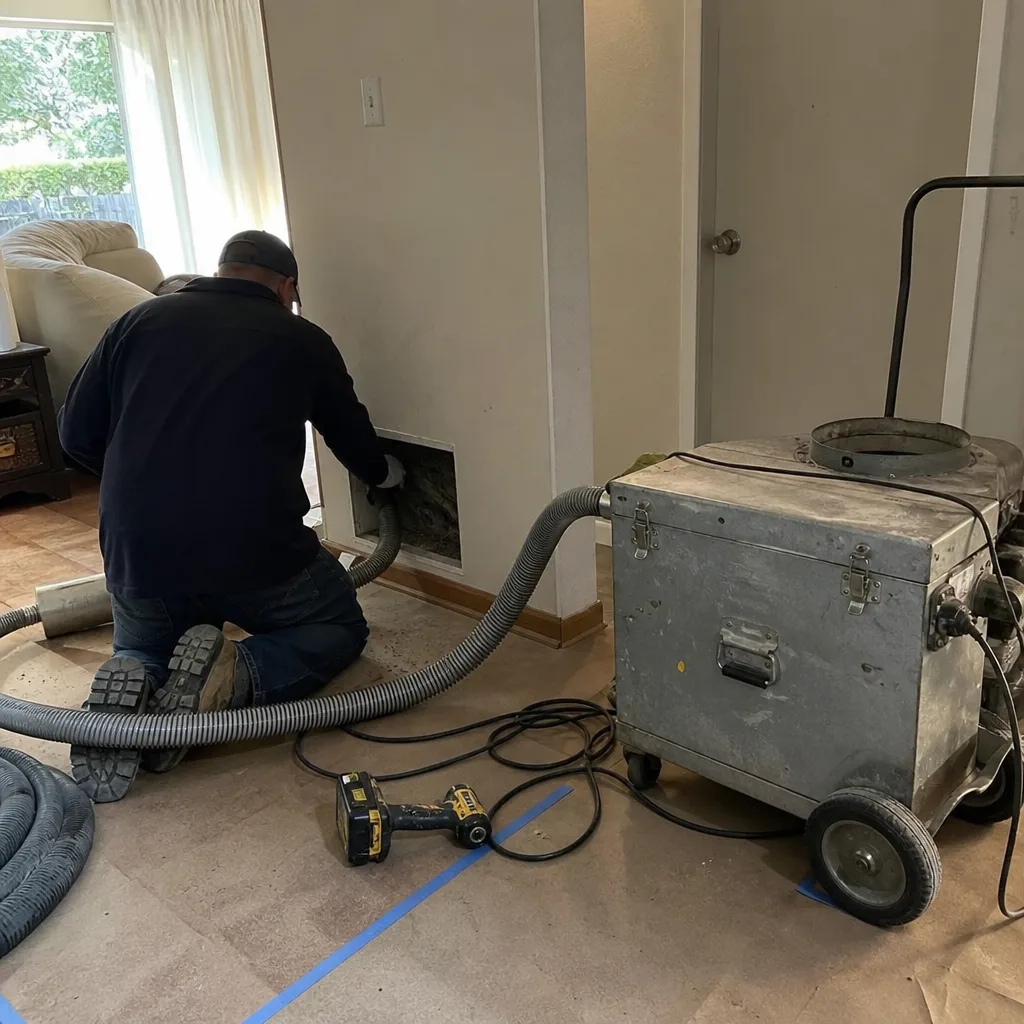 Before
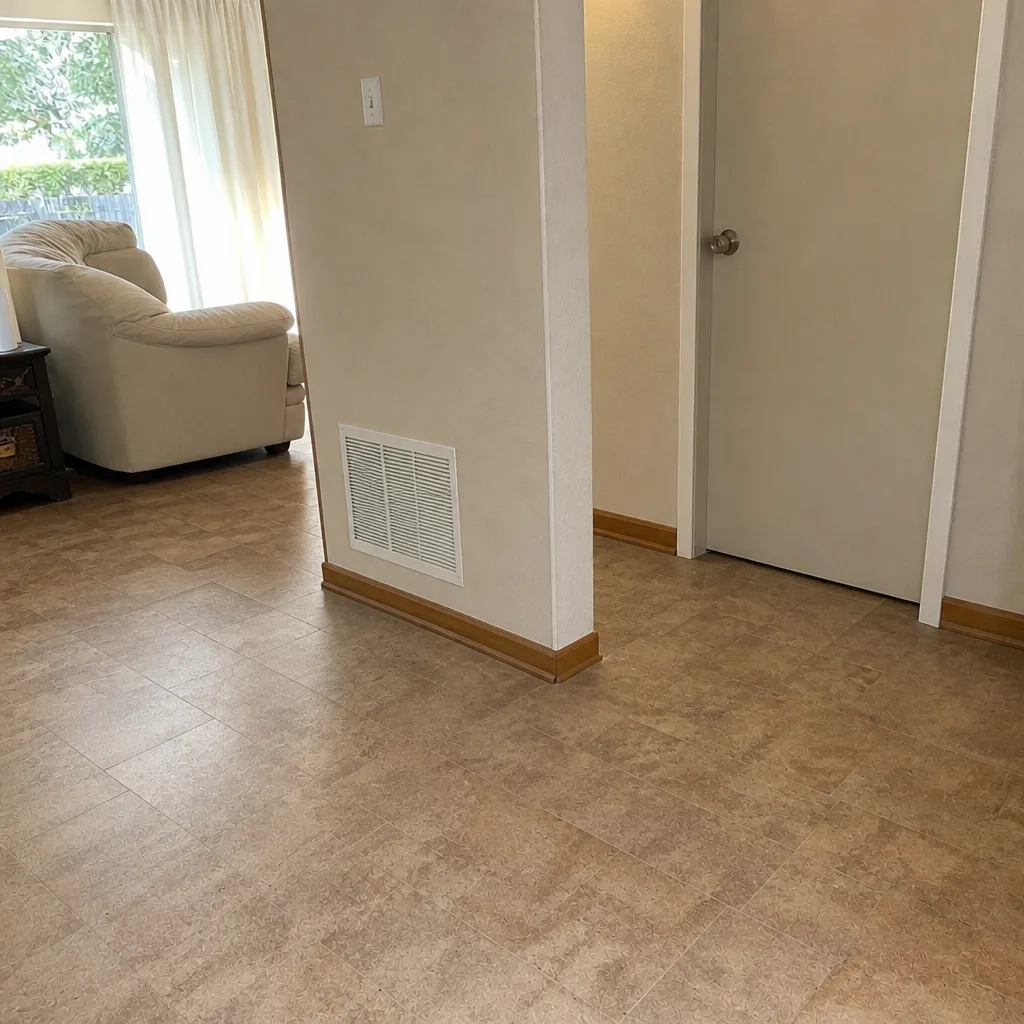 After
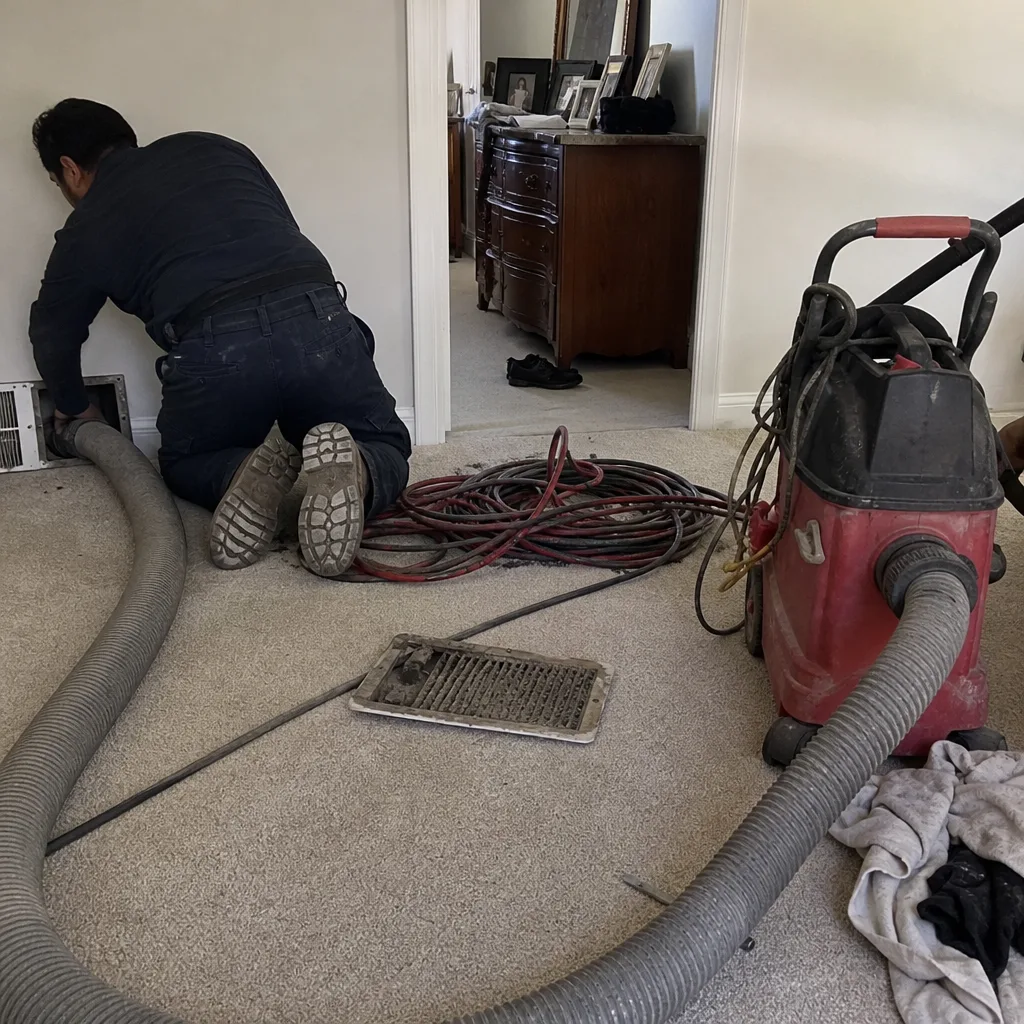 Before
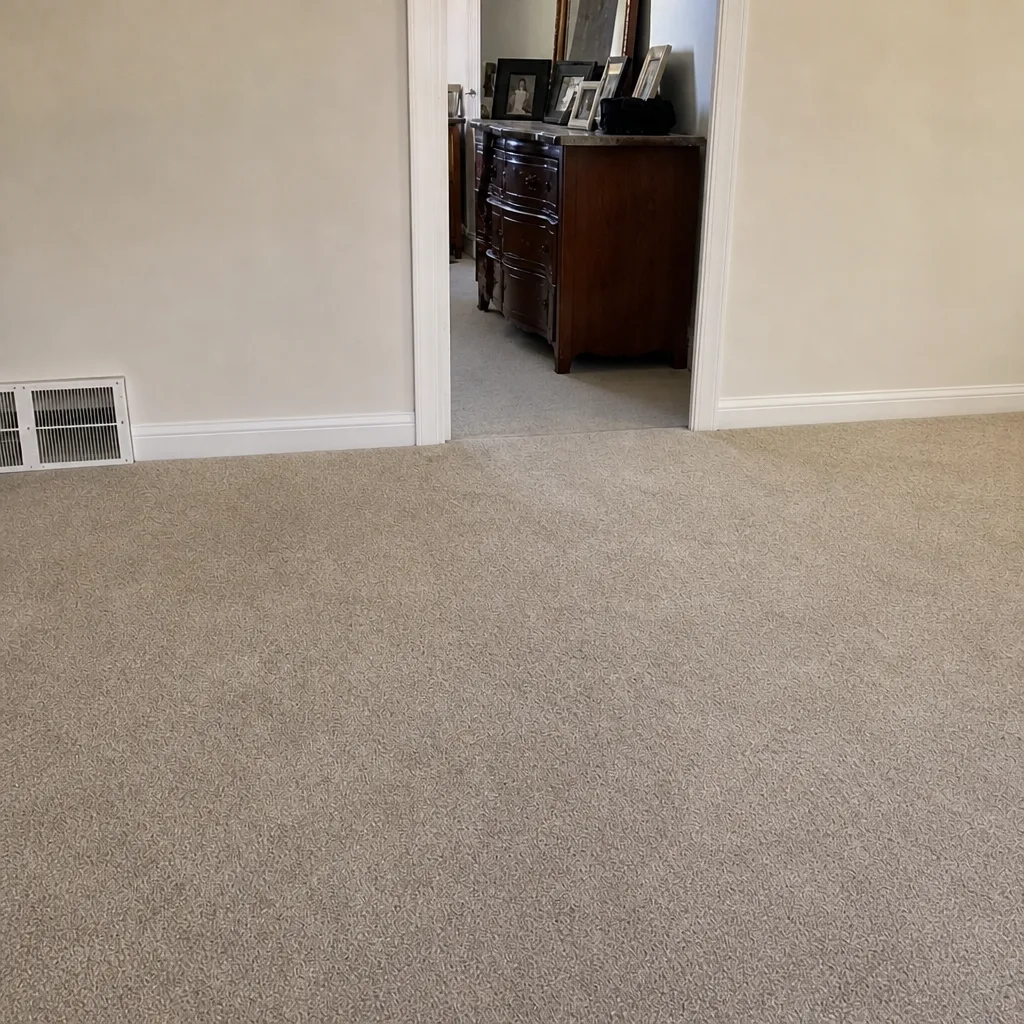 After
 Before
 After