
Last updated November 14, 2026
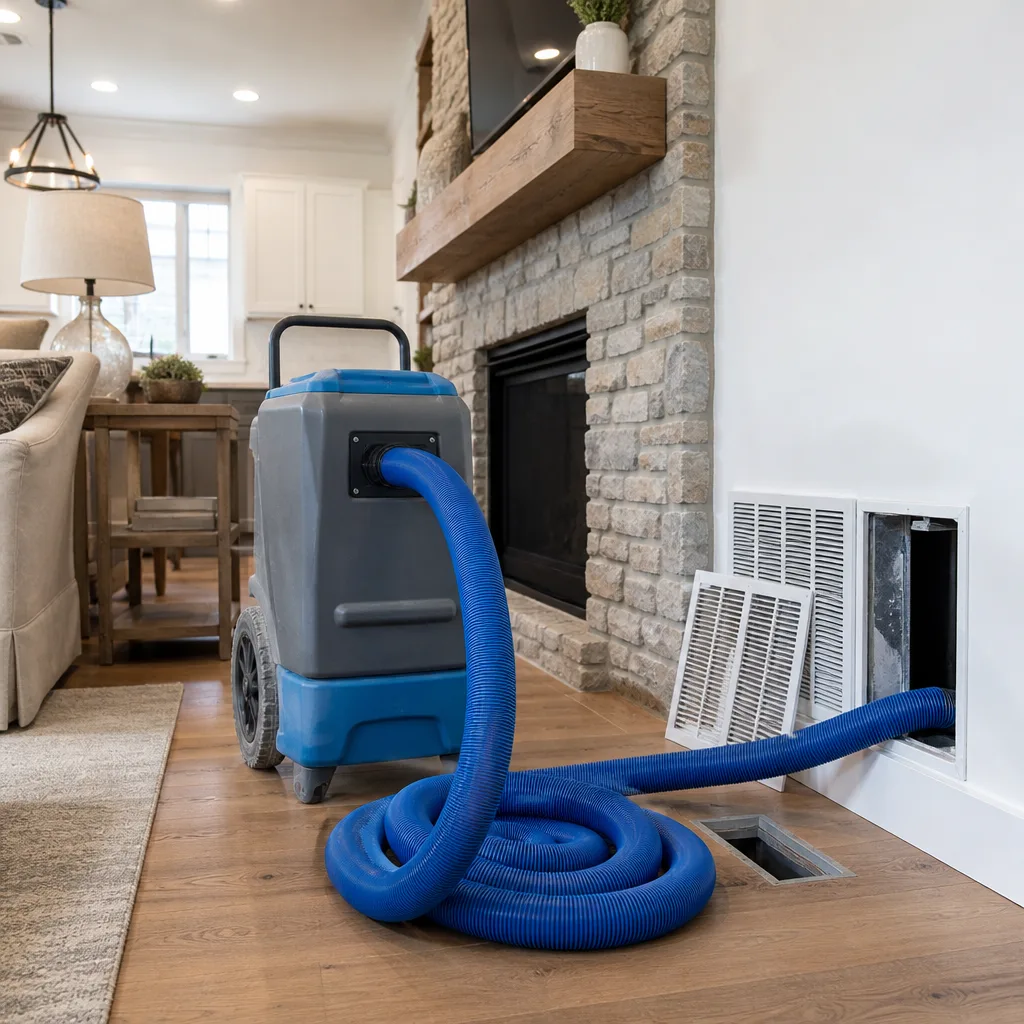 Whole-home duct cleaning
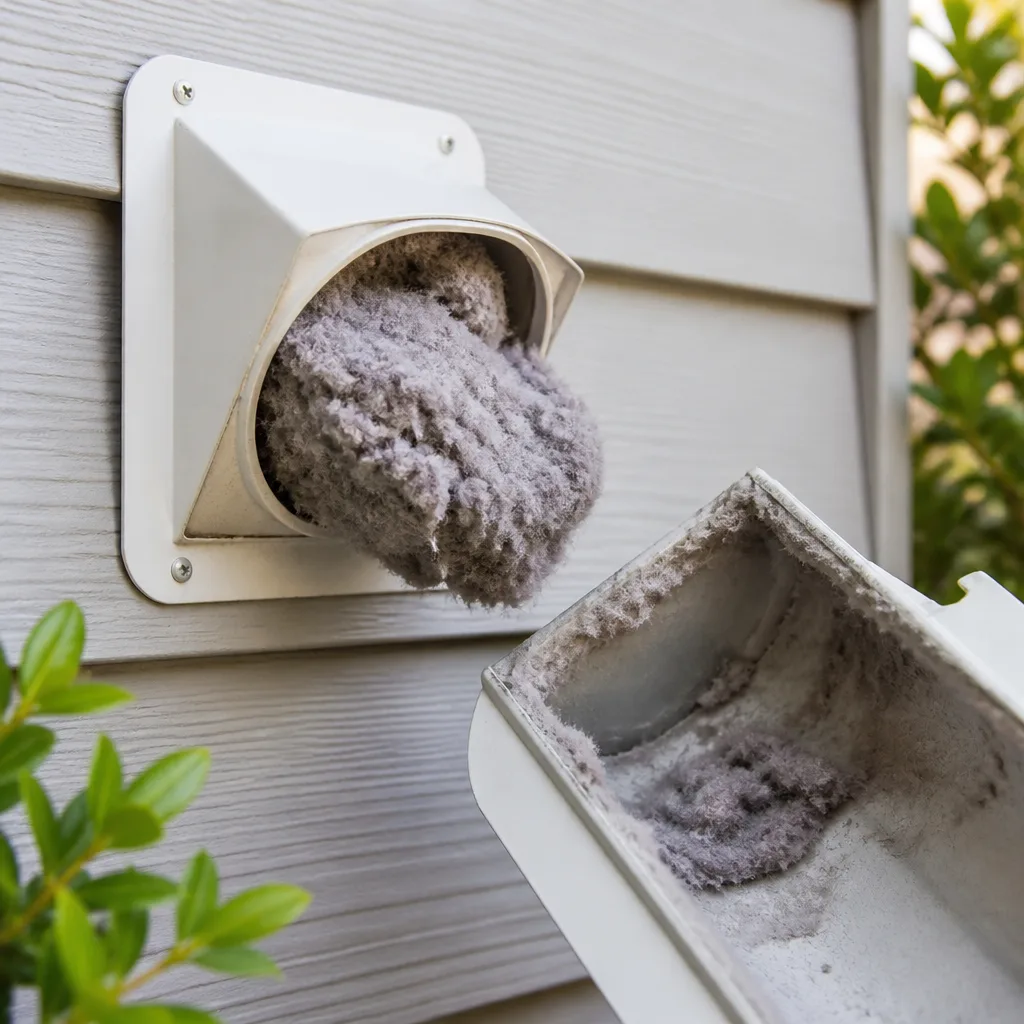 Dryer vent cleaning
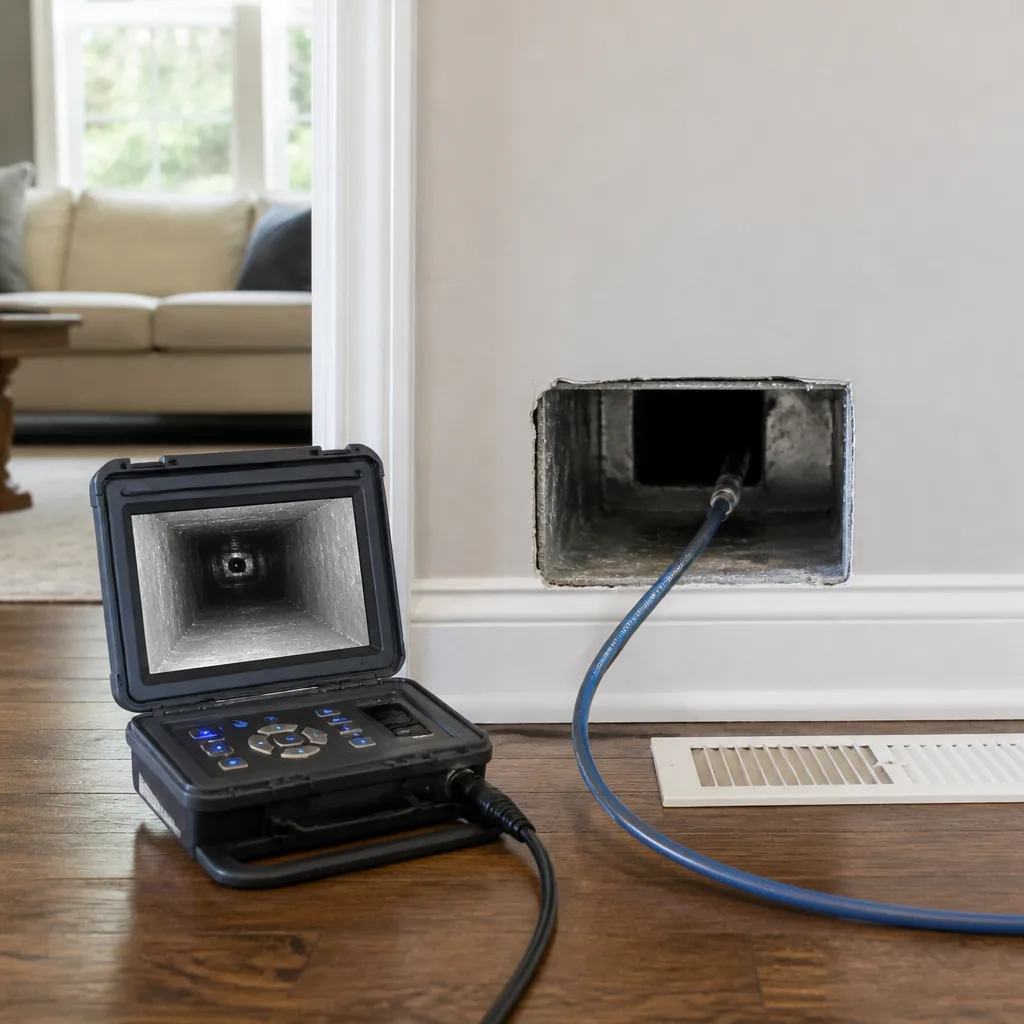 Camera inspection
 Sanitizing & deodorizing
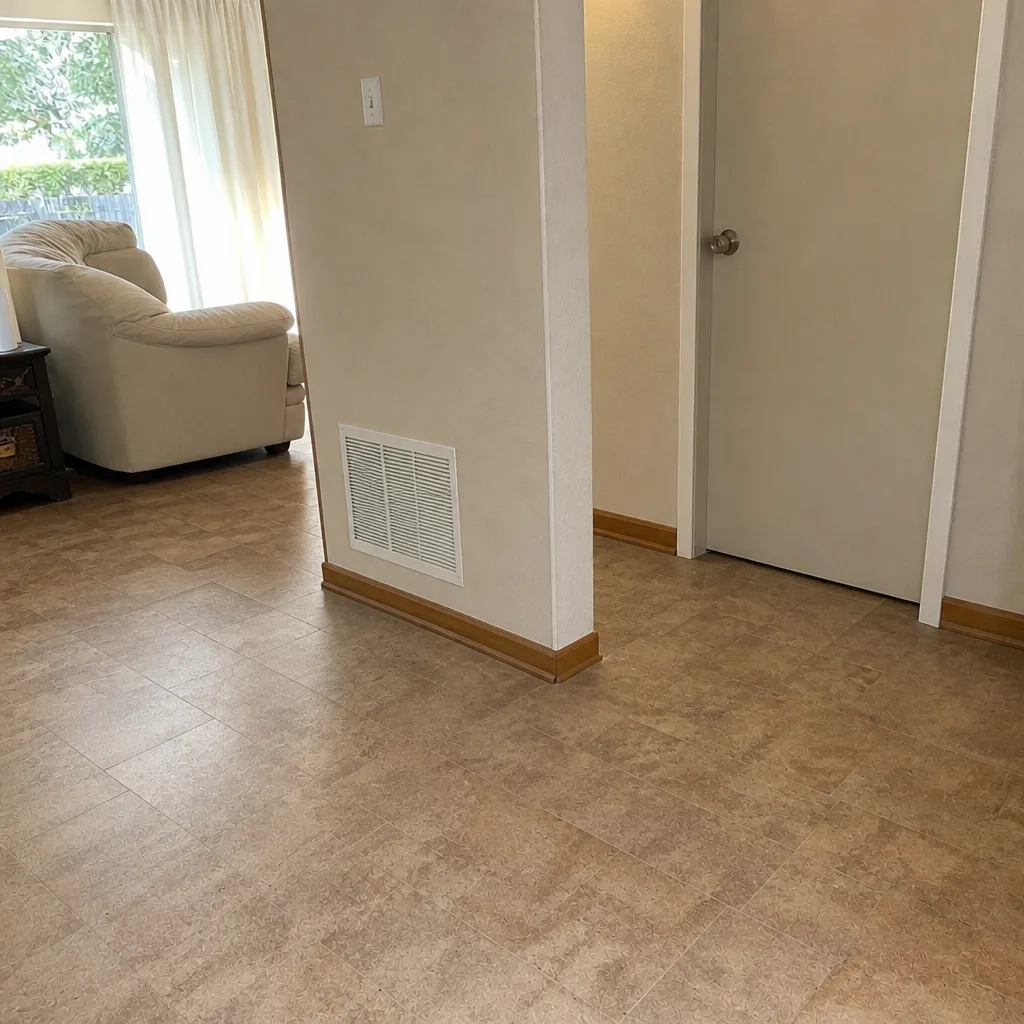
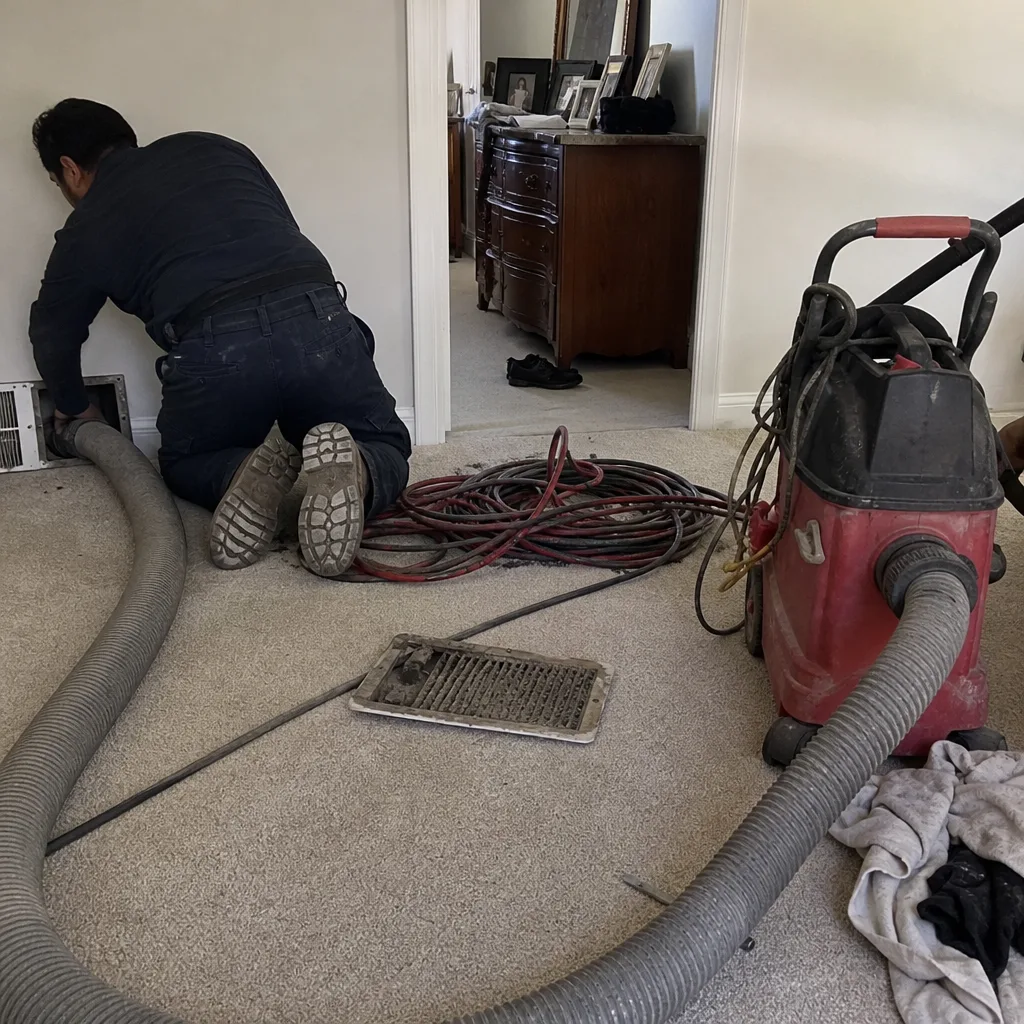
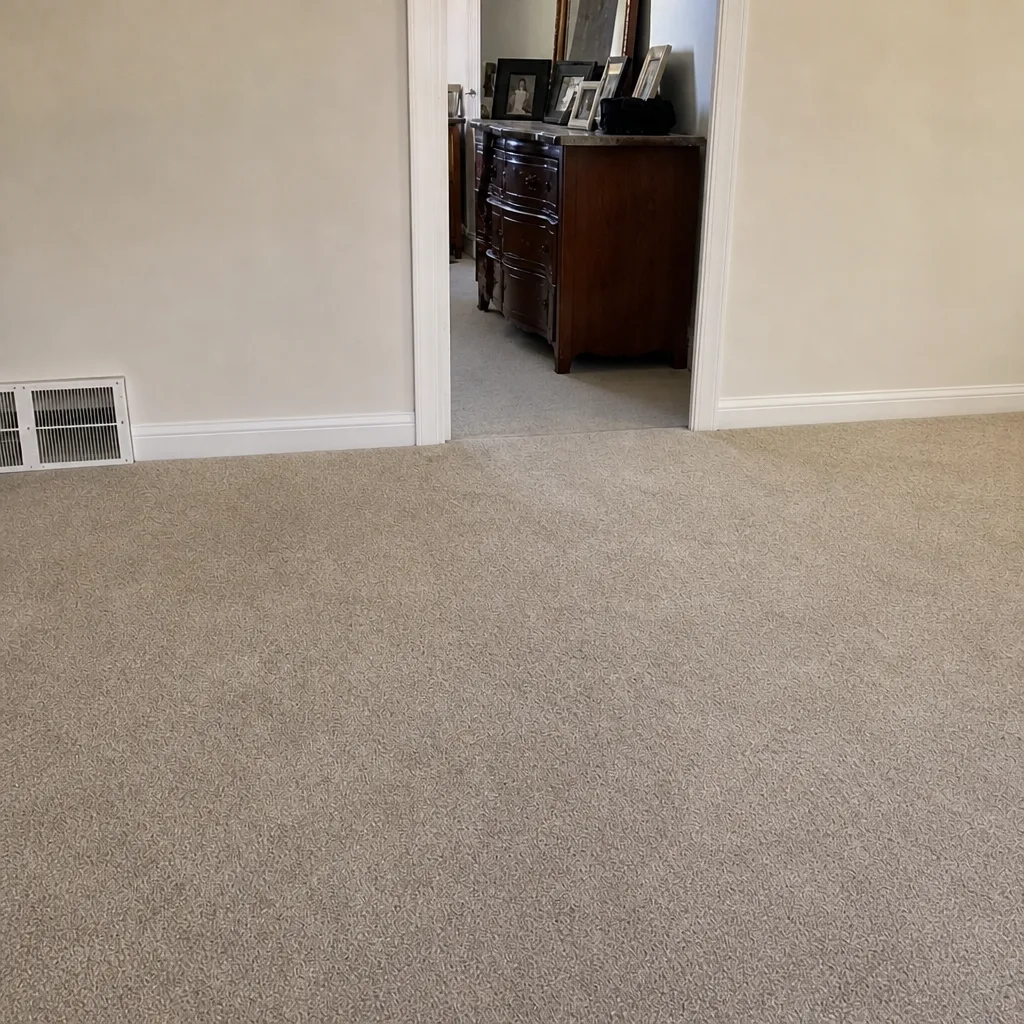
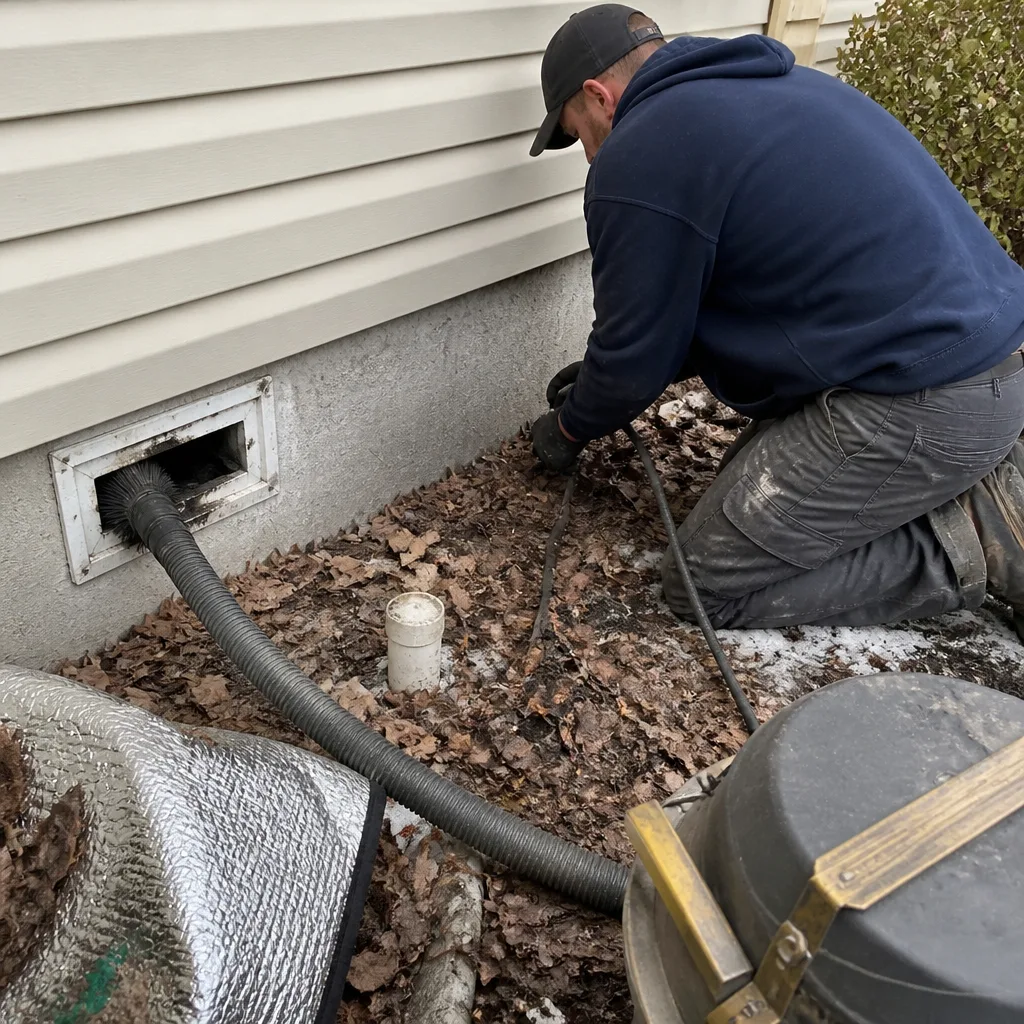
Whole-system duct and dryer vent check with before-and-after photos - you see exactly what came out of your vents
That "$99 whole-house special" is a bait ad - the real number appears once they are in your hallway, or the "clean" is a shop-vac at the register. We photograph the inside of your ducts before and after instead.
Air Duct Cleaning Permits, Codes & Inspections in Spokane, WA: What You Need to Know
Here’s the line most homeowners never hear: cleaning your ducts requires no permit, but modifying them likely does. The moment a technician cuts into a duct run, seals a joint with mastic, or replaces a section of flex, the job can cross from maintenance into mechanical work that falls under Washington State’s mechanical code and local permitting authority. Do that work unpermitted and your homeowner’s insurance may not cover it if something goes wrong later. This guide explains where that line sits in Spokane, which jurisdiction issues the permit for your address, what contractor paperwork to verify before anyone touches your ductwork, and what documentation to keep afterward for your insurer and for a future home sale.
Quick Answer
Routine air duct cleaning in Spokane, WA requires no permit. Sealing, patching, or replacing ductwork is a mechanical modification that generally requires a permit from either the City of Spokane or Spokane County, depending on your address. Anyone doing the work should hold a valid Washington State contractor registration through L&I, and you should ask for before-and-after documentation of the work.
Styles & brands we work with
- Whole-home duct cleaning
- Dryer vent cleaning
- Camera inspection
- Sanitizing & deodorizing
Table of Contents
- Cleaning vs. Modification: Where the Permit Line Sits
- City of Spokane vs. Spokane County: Which Permit Authority Applies to Your Address
- When Mold Inside Ducts Triggers a Separate Regulatory Layer
- How to Verify a Contractor’s Washington State Registration and Bonding
- What a Duct Inspection Actually Covers in Spokane Homes
- Documentation to Request After the Work Is Done
- Duct Records and Spokane’s Real Estate Disclosure Process
- How Spokane’s Climate and Housing Stock Shape Duct Condition
Cleaning vs. Modification: Where the Permit Line Sits
Cleaning is maintenance. Modification is construction. That single distinction drives the entire permitting question in Washington State, and it’s the piece most homeowners never hear explained before a technician is already on site with tools out.
Pure cleaning means removing dust, debris, and buildup from inside the existing duct system without changing its structure. Negative-pressure equipment like the Rotobrush and Nikro systems we use does exactly that. It agitates the interior surfaces, pulls the loosened material into a HEPA-filtered collection unit, and leaves the duct structure untouched. No permit is required for this anywhere in Spokane.
Modification is different. It includes:
- Cutting an access hole into a duct run and leaving it as a permanent opening
- Sealing joints or seams with mastic, foil tape, or aerosol sealant
- Replacing a section of flex duct, rigid duct, or a boot at a register
- Adding a new run, relocating a register, or changing duct sizing
- Repairing crushed, disconnected, or torn ductwork that alters its structure
Any of those items generally requires a mechanical permit from the jurisdiction that has authority over the address. The permit process exists so an inspector can verify the work meets Washington’s mechanical code for duct sealing, clearances, and materials.
Here’s the practical problem. Many duct cleaning companies offer “sealing” as an upsell without pulling a permit, and many homeowners don’t know to ask. If the sealant fails, if a joint separates, or if moisture gets trapped behind an improperly applied mastic layer, you may be looking at water damage or mold growth that your insurer declines to cover because the underlying work wasn’t permitted.
If your air duct cleaning reveals compromised ductwork, the right sequence is to stop, document the condition with photos, and decide whether the repair rises to the level of a permitted modification. Our technicians have up to 13 years of experience diagnosing exactly this kind of situation, and we’re clear with homeowners about which repairs fall on the permit side of the line.
City of Spokane vs. Spokane County: Which Permit Authority Applies to Your Address
The permitting authority for mechanical work in Spokane depends entirely on whether your property sits inside Spokane city limits or in unincorporated Spokane County. That’s true whether you’re in the city core or out toward the county’s rural edges.
Properties within the City of Spokane go through the city’s building and planning department for mechanical permits. Properties in unincorporated Spokane County go through the county. Properties inside other incorporated cities within Spokane County, like Spokane Valley, Liberty Lake, Cheney, or Deer Park, have their own permitting authority.
What that means for a homeowner:
- Identify your exact jurisdiction. Your property tax statement or the county assessor’s parcel lookup will tell you clearly.
- Ask any contractor doing modification work which permit they intend to pull and from which authority.
- Confirm the permit number before work starts, not after.
- Verify the final inspection was passed before you make the final payment.
For addresses near city boundaries this gets confusing fast. A home on the edge of Spokane city limits might fall under city code while the neighbor’s does not, and the two permits get filed through different offices. If a contractor tells you “no permit needed” for a sealing or replacement job without checking your parcel, that’s a red flag. The question isn’t whether permitting is required in Spokane generally. It’s whether it’s required for your address and the specific scope of work.
We work in both city and county homes regularly, and we flag modifiable duct conditions during cleaning so you can make an informed call before any repair begins.
When Mold Inside Ducts Triggers a Separate Regulatory Layer
Mold discovered inside ductwork adds a layer that most homeowners don’t anticipate: it’s often treated as remediation, not cleaning, and the contractor qualification requirement shifts.
Washington’s Indoor Clean Air Act framework and the state’s broader indoor air quality rules treat mold remediation as a distinct category of work. In practice, that means:
- A contractor cleaning routine dust and debris can do that work under a standard contractor registration.
- A contractor removing active mold growth from inside ducts is doing remediation work, and should be able to describe their containment, filtration, and disposal procedures in detail.
- Some mold scenarios call for third-party testing or clearance verification after the work.
- Any mold discovered inside a duct system is usually a symptom of an underlying moisture source that needs to be addressed separately.
In our experience, mold inside Spokane ductwork almost always traces back to moisture. A leaking coil, a disconnected flex run pulling humid air from a crawl space, or condensation forming on poorly insulated ducts in an unconditioned attic. Cleaning and sealing without fixing the source is a temporary fix.
If a company tells you they’ll “sanitize” or “fog” the ducts and calls it done without identifying a moisture source, ask harder questions. The dryer vent cleaning side of our work runs into the same pattern with lint and heat, where the visible problem looks like buildup but the real cause is airflow or vent routing.
How to Verify a Contractor’s Washington State Registration and Bonding
Every contractor doing residential mechanical work in Washington State must hold an active registration through the Department of Labor & Industries, and the registration is public. Verifying it takes about two minutes.
The steps:
- Ask the contractor for their Washington State contractor registration number and the legal business name on it.
- Look up that number on the L&I contractor registration search.
- Confirm the registration is active, the business name matches, and the specialty listed covers the work being done.
- Ask to see proof of general liability insurance and, where applicable, workers’ compensation coverage.
- Confirm the registration lists a current bond.
Bonding requirements for residential contractors in Washington State are set by statute and vary by contractor category, so ask specifically for the bond amount and confirm it’s active. A bond protects you if the contractor fails to complete the work or causes damage they won’t cover. It is not the same as insurance, and a contractor who can’t tell you their bond amount is a contractor who hasn’t checked.
Three things to watch for:
- A registration number that looks formatted like a license but doesn’t appear in the L&I database.
- A business name on the quote that doesn’t match the registration.
- A contractor who claims bonding isn’t required for “small jobs.” It’s not about job size; it’s about whether the contractor is registered at all.
Duo Cleaning Spokane is a dedicated air duct and dryer vent contractor. Our work stays inside that scope, and we’re glad to walk any homeowner through the paperwork before anything starts.
What a Duct Inspection Actually Covers in Spokane Homes
An air duct inspection is not the same thing as a cleaning. It’s a diagnostic pass that identifies condition issues, blockages, and compromised sections before and after cleaning.
What a proper inspection checks:
- Visible duct interiors at each register and at the main supply and return plenums
- Joints, seams, and connections for separation or gaps
- Flex duct condition: crushed, kinked, sagging, or torn runs
- Moisture presence, condensation, or evidence of past water intrusion
- Insulation integrity on ducts running through unconditioned spaces
- Filter housing condition and fit
- Airflow at each register, compared against expected balance
Spokane homes add a few location-specific inspection points. Crawl space duct runs on older homes in areas like Hillyard or the near north side get checked for rodent entry and insulation breakdown. Attic duct runs get checked for condensation and heat damage in summer. Homes with basement or split-level layouts get checked for disconnected boots where the thermal envelope transitions.
The inspection usually happens alongside cleaning, but you can also request it as a standalone if you’re troubleshooting airflow. Either way, ask for photos of anything flagged. A written description of “compromised ductwork” means nothing to your insurer or a future buyer without visual proof.
This is also where our duct cleaning Spokane process differs from a generalist HVAC crew’s approach. Our entire inspection toolset, from the Abatement Technologies HEPA units we use on heavier jobs to the camera equipment we use to inspect flex runs, is built for the duct side of the work, not the furnace side.
Documentation to Request After the Work Is Done
The single most overlooked piece of any duct cleaning job is the paperwork. It’s what protects you if a problem surfaces six months later, and it’s what a buyer’s inspector will want to see if you sell.
Request these items in writing at the end of the job:
- An itemized invoice listing exactly what was done: which registers and runs were cleaned, whether any repair was performed, and any parts used.
- Before-and-after photos of the duct interiors. Real documentation, not just external photos of vents in the floor.
- The permit number, if modification work was done, along with the inspection sign-off from the issuing authority.
- The contractor’s registration number, printed on the invoice.
- A written summary of any conditions flagged but not addressed, so you have a record of what was observed even if you defer the repair.
- Manufacturer and product info if any filter or air quality component was installed, such as a Honeywell or Aprilaire filter housing or media filter.
For the dryer vent, keep the same record. A dryer vent cleaning invoice with date and technician documentation is useful proof if a future inspection or appliance warranty question comes up.
The reason this matters in Spokane specifically is the market. Home inspections in this area increasingly flag duct condition, and a seller who can produce clean documentation of recent cleaning and any repaired sections answers those questions before they become negotiation points.
Duct Records and Spokane’s Real Estate Disclosure Process
Washington State’s seller disclosure statement asks sellers to disclose known material defects, and ductwork can fall into that category in certain scenarios. Understanding what to disclose and how to document it protects both sides of a transaction.
Items that typically trigger a disclosure:
- Known mold growth inside ductwork or HVAC components
- Previously repaired duct damage where the repair didn’t pass inspection or wasn’t permitted
- Known disconnected or compromised duct runs
- Any unpermitted mechanical modification the seller is aware of
The clean way to handle this is to have a paper trail before you list. If you’ve had duct repair done, have the permit and inspection sign-off available. If duct cleaning was performed recently, have the invoice and photos. If a previous owner did unpermitted work and you’ve since repaired it properly, document the repair pathway so the buyer and their inspector can see the full picture.
Buyers in Spokane are increasingly savvy about this. In competitive neighborhoods, having clean paperwork on duct systems removes a common reason for a buyer to renegotiate. When we work in Spokane on pre-listing prep, our job is straightforward: give the homeowner a written record they can attach to the disclosure.
How Spokane’s Climate and Housing Stock Shape Duct Condition
Spokane’s climate is a meaningful factor in how duct systems age here, and it’s the reason we see the specific patterns we do. Long dry summers with highs in the 90s stress attic duct runs. Cold winters with lows that dip well below zero test insulation integrity. The shoulder seasons, wet and windy, push moisture through any gap in exterior duct insulation or disconnected flex run.
Housing stock matters just as much. Homes in older Spokane neighborhoods like Browne’s Addition, Hillyard, and Emerson-Garfield often have original or lightly retrofitted duct systems, with rigid sheet metal runs that stiffen over time or flex sections added during later furnace upgrades. Newer builds in Spokane Valley and out toward Liberty Lake tend to have more tightly sealed systems but occasionally compressed flex runs installed too tight around joists.
What that means practically:
- Older homes benefit most from inspection before cleaning, because compromised runs may need repair before aggressive agitation is safe.
- Homes with ducts in unconditioned attics or crawl spaces need insulation and seal checks, not just interior cleaning.
- Homes that have had a recent remodel should have ducts inspected for disconnect damage from construction.
- Seasonal transitions in Spokane are the natural time for a cleaning and inspection pass.
We see these patterns across Spokane often enough to plan for them. It’s not a random problem list; it’s the result of specific housing patterns and a specific climate.
Common Mistakes to Avoid
- Assuming “no permit needed” applies to every job. That’s true for cleaning and false for sealing and modification. Ask specifically which permit applies to your scope of work, and confirm the answer reflects your address.
- Skipping the L&I verification because the quote looked professional. A polished sales pitch and a professional-looking truck don’t prove registration. Look up the number; it’s public.
- Paying the “sanitize and seal” upsell without a moisture diagnosis. Sealing without finding the underlying moisture source traps problems inside the system. In Spokane’s wet shoulder seasons, that matters.
- Accepting photos of floor vents as “before and after” proof. Real documentation shows the duct interiors. If the photos only show what you could see yourself, ask for the interior shots.
- Filing away the invoice without checking the permit number for modification work. If no permit number is on the invoice and repair was performed, ask why before paying.
- Treating the dryer vent as a housekeeping task. Dryer vent cleaning is fire prevention. A clogged vent traps heat, and lint buildup is a leading cause of residential dryer fires nationwide.
- Deferring a repair the inspection flagged because it seemed minor. A disconnected or torn flex run wastes energy and, in Spokane’s humidity swings, becomes a moisture path into the system.
See the difference
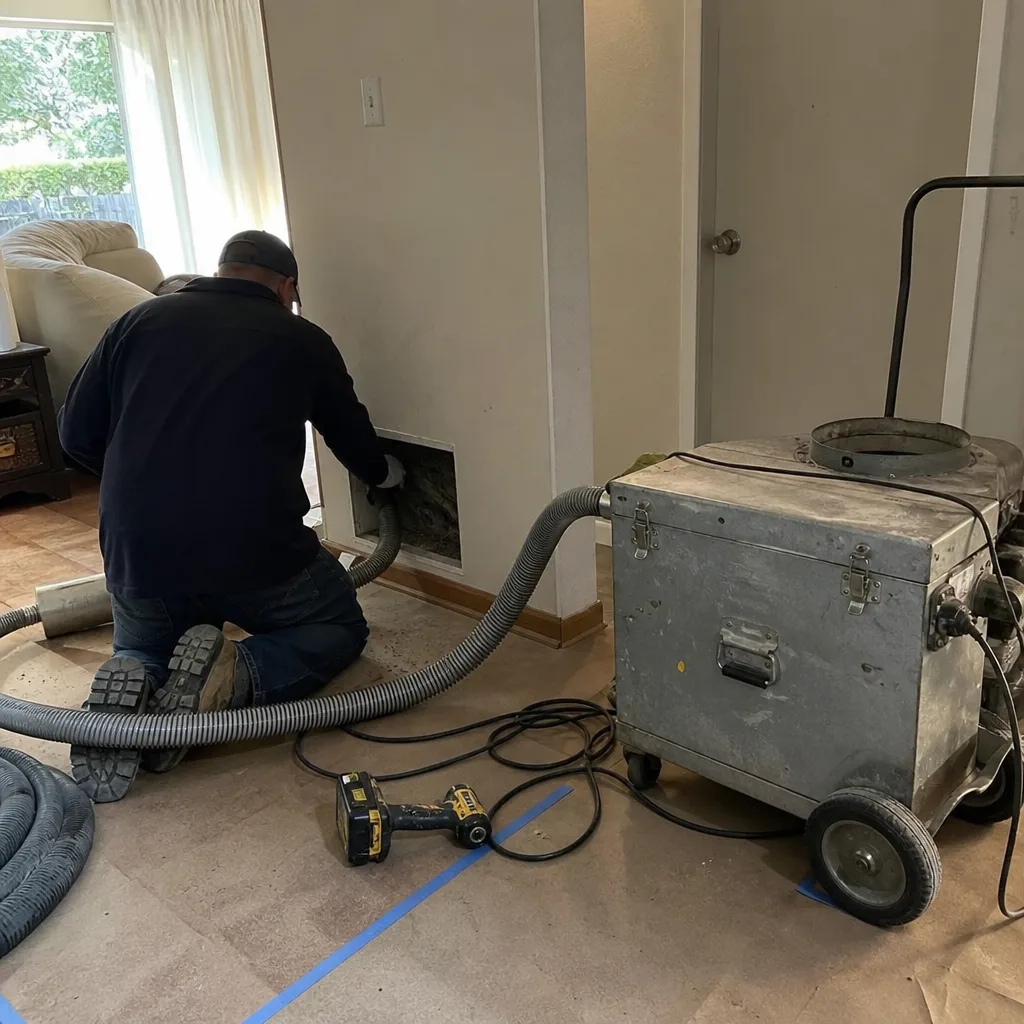 Before
 After
 Before
 After
 Before
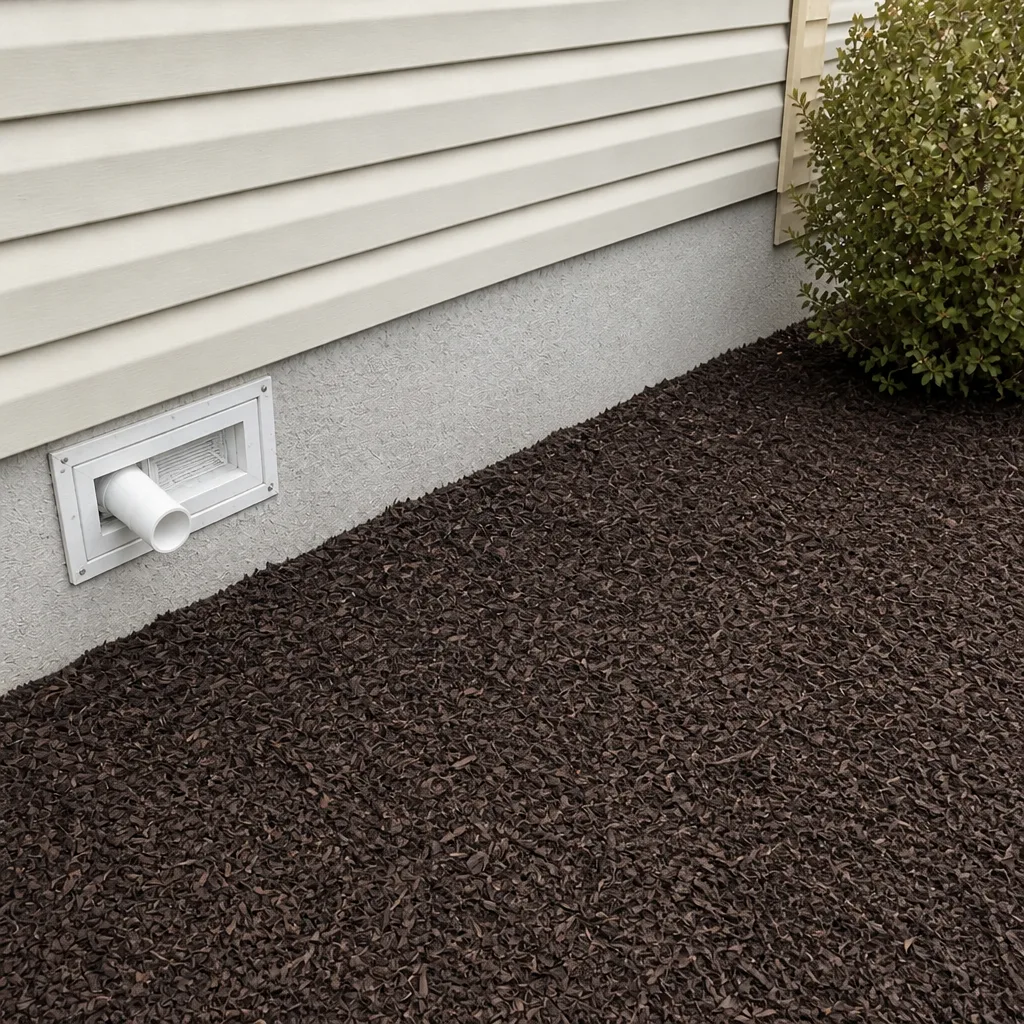 After
When to Call a Professional
Call a professional whenever the work crosses beyond routine cleaning. If a duct run is disconnected, torn, crushed, or visibly damaged, that’s repair work. If you smell persistent mustiness from a register, that’s a symptom worth diagnosing. If your home is heading to market and inspection records are missing, get documentation in order. And if you’re in a home with ducts running through an unconditioned crawl space or attic, an inspection pass through those sections is worth scheduling.
Doing structural duct repair yourself means accidentally voiding insurance coverage on a job that wasn’t permitted. It’s not worth it. Duct Cleaning Spokane offers free estimates in Spokane. Call (866) 963-7098. We answer 24/7. Fast dispatch from 7am to 7pm, Sunday through Friday.
Frequently Asked Questions
No. Routine air duct cleaning in Spokane does not require a permit. The permit question only arises if the contractor is sealing, patching, or replacing ductwork as part of the job, which generally requires a mechanical permit from your local jurisdiction.
In most cases, yes. Sealing duct joints with mastic, foil tape, or aerosol sealant is considered mechanical modification and generally requires a permit from either the City of Spokane or Spokane County, depending on your address. Confirm with the permit authority for your parcel before work starts.
Ask for their Washington State contractor registration number and look it up on the Department of Labor & Industries contractor registration search. Confirm the registration is active and matches the business name on the quote. Then ask for proof of general liability insurance and a current bond.
Keep the itemized invoice, before-and-after photos of the duct interiors, the permit number and inspection sign-off if any modification was made, and the contractor’s registration number. These become your proof for insurance claims and future home sale disclosures.
Yes. Active mold growth inside ductwork generally falls under remediation rather than routine cleaning. Ask any contractor to explain their containment and filtration procedures before agreeing to the work, and confirm they can document the source of the moisture that caused the mold.
Every two to three years is typical for most Spokane homes, but several factors move that timing: recent remodeling, pest activity, visible dust from registers, a new furnace install, or a home with pets or allergy concerns. An inspection can tell you whether it’s time.
The Bottom Line
The permit line for duct work in Spokane comes down to one question: is the contractor cleaning or modifying? Cleaning requires nothing beyond a valid registration. Modification generally requires a permit pulled from the right jurisdiction, which depends on your address. Verify the contractor’s L&I registration before work starts. Ask for the permit number on any repair. Keep the invoice, the photos, and the sign-off. And if a technician says “no permit needed” for a repair, ask why. For free estimates on cleaning, dryer vent service, or repair work, call (866) 963-7098. We answer 24/7. Fast dispatch from 7am to 7pm, Sunday through Friday.
Written by the team at Duct Cleaning Spokane.