
Last updated November 14, 2026
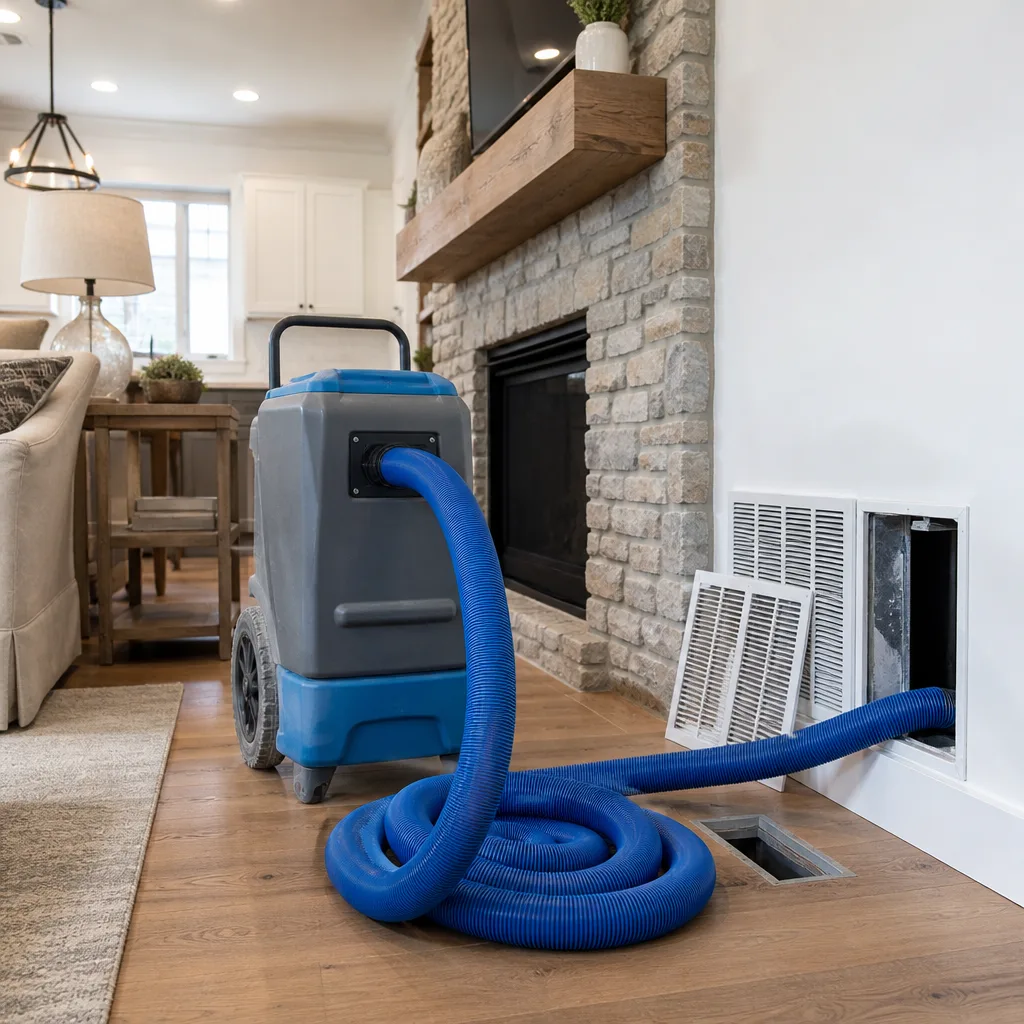 Whole-home duct cleaning
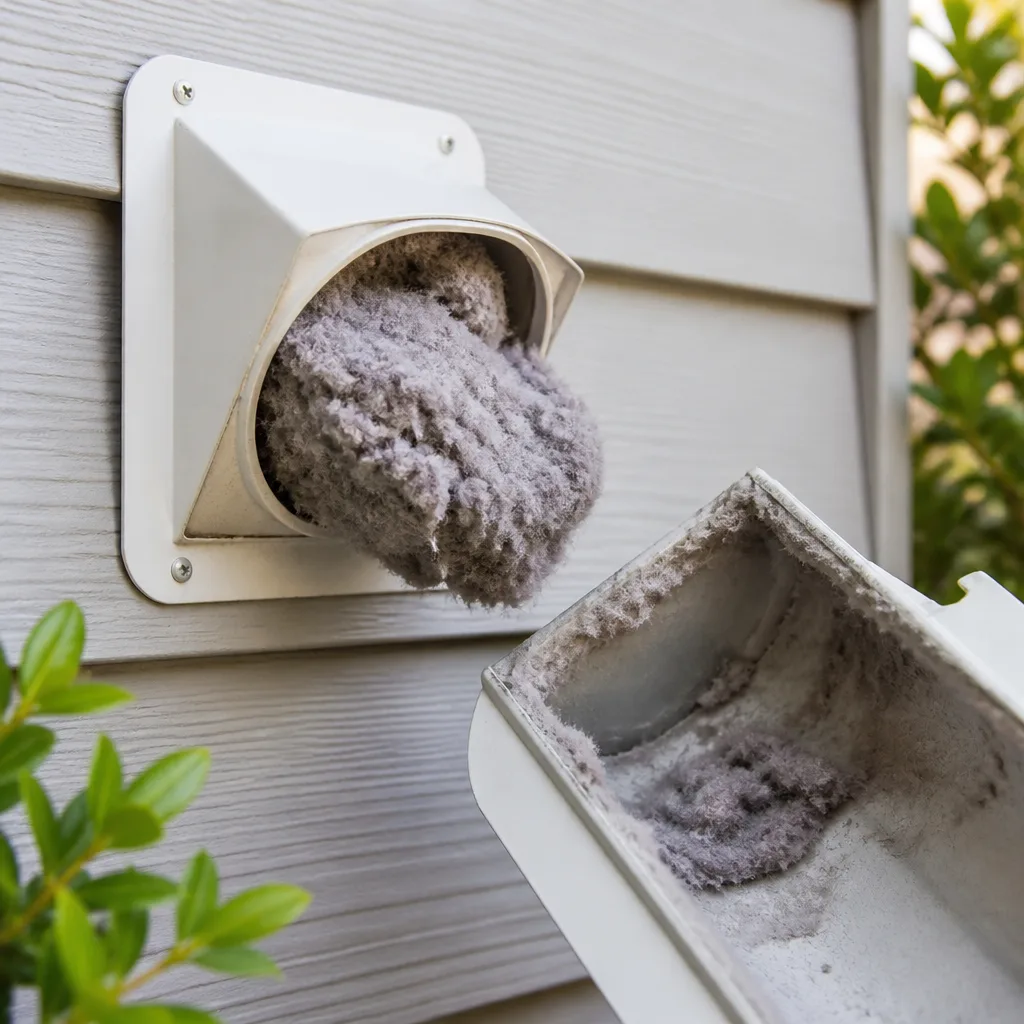 Dryer vent cleaning
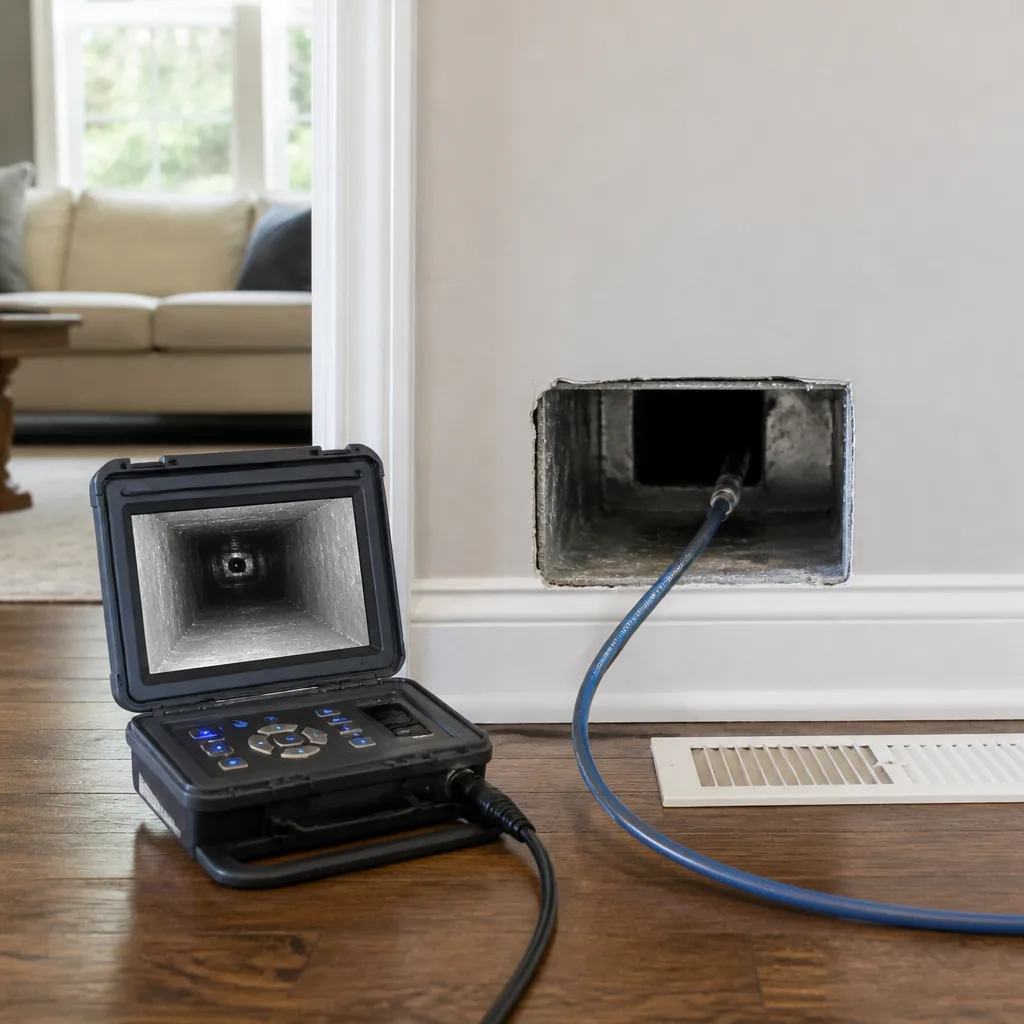 Camera inspection
 Sanitizing & deodorizing
Whole-system duct and dryer vent check with before-and-after photos - you see exactly what came out of your vents
That "$99 whole-house special" is a bait ad - the real number appears once they are in your hallway, or the "clean" is a shop-vac at the register. We photograph the inside of your ducts before and after instead.
Air Duct Cleaning Troubleshooting in Spokane: Common Problems and How to Fix Them
Closing a vent to “balance” the airflow is one of the most common fixes homeowners try, and it’s one of the most reliable ways to make a duct problem worse. Shut one register and the system pushes the same volume of air through the remaining openings, which raises static pressure, stirs up debris that had settled along the duct floor, and sends it to rooms you were trying to help. Most of the symptoms people bring to us (uneven temperatures, dust that returns a week after cleaning, a musty smell at startup) have specific mechanical causes, and each one points to a different solution. This guide is written from Spokane, where cold winters and forced-air heating put particular demands on a duct system. We’ll show you how to read the symptoms like a technician, separate a duct problem from an HVAC problem, and know exactly when to stop troubleshooting and call.
Quick Answer
Most air duct “problems” in Spokane come down to three mechanical causes: accumulated debris that restricts airflow, physical damage to the ductwork (disconnected joints, crushed flex runs, torn liners), or a restriction somewhere else in the system, like a clogged filter or a failing blower. Troubleshoot by checking the filter first, watching how airflow behaves at several registers, and smelling for musty or decayed odors at startup. If you see visible debris blowing out of a register when the system starts, stop and call a specialist, because that points to a real containment problem inside the ducts, not dust you can wipe away.
Styles & brands we work with
- Whole-home duct cleaning
- Dryer vent cleaning
- Camera inspection
- Sanitizing & deodorizing
Table of Contents
- Is it a duct problem or an HVAC problem? How to tell the difference
- Why some rooms in Spokane stay cold in winter even with the heat running
- What the musty smell when the furnace kicks on actually means
- Dust that keeps coming back: what it tells you about your ducts
- How to inspect a register opening with a phone flashlight
- The one symptom that means call a specialist immediately
- Damaged ductwork: crushed flex, disconnected joints, and torn liners
- A separate trouble spot: the dryer vent
Is it a duct problem or an HVAC problem? How to tell the difference
The first thing to sort out is whether your ducts are dirty, your ducts are damaged, or your HVAC equipment is failing to move air. These three look similar from the living room, but they have different solutions, and homeowners often pay for a cleaning when the real issue lives in the air handler. Here’s the pattern we walk people through.
Signs pointing to the ducts themselves:
- The furnace or air handler runs normally, but airflow at one or two registers is noticeably weaker than at others.
- You’ve had remodeling, pest activity, or a known moisture event near the duct runs.
- Dust accumulates fastest near specific registers, not evenly throughout the house.
- There’s an odor at system startup that fades after a minute or two.
Signs pointing to the HVAC side:
- Airflow is weak at every register in the house, not just one or two.
- The blower runs but the air is barely moving, or the system short-cycles.
- The filter is loaded within a few weeks of a change (often a dirty filter or a filter sized wrong for the return).
- The system makes a rhythmic noise at the air handler that changes with fan speed.
In Spokane, this distinction matters most in winter, when the heat runs continuously and any airflow restriction gets magnified. If every register feels weak, start with the filter and the blower. If the weakness is isolated, the duct run serving that zone is the likely culprit, and that’s a repair question, not a cleaning question.
Why some rooms in Spokane stay cold in winter even with the heat running
Uneven room temperatures in Spokane winters are frequently a duct restriction problem, not a furnace capacity problem. If one bedroom or a room over a garage is always a few degrees cooler than the rest of the house, the furnace is usually doing its job, but the duct run feeding that room is losing air or choking it. Before anyone spends money on a bigger furnace, the duct system deserves a look.
The three most common restrictions we find:
- A crushed or kinked flex run. Flexible duct is easily pinched during installation or by later work. A single crushed section can cut off most of the air to one room.
- A disconnected joint. Duct sections joined with tape or mastic can separate over years of expansion and contraction. Heated air leaks into a crawlspace or attic instead of reaching the register.
- Debris buildup on the long runs. The ducts that serve the farthest rooms have the most distance to cover, and sediment tends to collect there. A long run with a layer of debris moves less air than a short one.
There’s also a Spokane-specific wrinkle: many homes here have basements or crawlspaces, and ducts routed through unconditioned space lose heat before they arrive. A run that’s fine in summer can feel weak in January simply because the air has cooled on the way. Sealing and repairing those runs, paired with air duct cleaning to clear the sediment out of the long runs, is the usual fix. If repair is needed, we handle it on the same visit so you’re not chasing a second contractor.
What the musty smell when the furnace kicks on actually means
That smell at startup is diagnostic. A musty or earthy odor at the moment the blower engages usually points to settled debris in the ducts that has picked up moisture, though it can also indicate mold growth on porous duct surfaces, or in less common cases a pest that got into the system and died. The answer changes what you do next, so the smell deserves more than a glance.
Three patterns and what they suggest:
- Musty odor that appears at startup and fades within a minute. This is most often settled dust and debris getting disturbed by the initial rush of air. It points to the ducts needing cleaning rather than to an active mold problem.
- Persistent musty odor the whole time the system runs. That pattern is more consistent with moisture getting into the duct system, either from a humidifier, a return routed too close to a damp crawlspace, or condensation on cold duct surfaces. The solution is more involved than cleaning.
- Sharp or decayed odor that appears suddenly, with no other change. A dead pest in a duct or in the return plenum is a real possibility. This is worth an inspection, because the source needs to be found, not just masked.
We’re not a mold remediation company, and we say so plainly. If the pattern points to actual mold growth, a trained professional in that field is the right call. What we can do is clean the ducts properly and identify compromised runs that could be holding moisture, using containment equipment from Abatement Technologies so the debris doesn’t end up in your living space during the work.
Dust that keeps coming back: what it tells you about your ducts
If a room gets dusty again within a week of cleaning, you’re not fighting the dust you can see, you’re seeing the dust the system keeps introducing. Recurring dust usually comes from one of four places: the return ducts, a filter that’s too restrictive or installed wrong, a leaky duct joint that’s pulling in attic or crawlspace air, or a duct surface that’s shedding lining material.
Here’s a simple test pattern:
- Watch where the dust settles. Dust concentrated near supply registers points to debris in the supply runs. Dust concentrated near the return grille points to a dirty return.
- Change the filter and note the brand and size. A cheap filter or one installed backwards lets more through. A filter that loads within a few weeks is a sign the ducts are still feeding debris into the return.
- Look for dust streaks at joints. Streaks of dust along duct seams in an accessible basement or attic are the visible signature of a leak pulling air in from outside the duct.
In Spokane, homes near the edge of the urban area often pull in dust from dry, windy conditions, and household dust loads are higher than people expect during the late summer and early fall. That means the ducts matter more here, because the return keeps pulling in outside dust and the filter isn’t the only filtration in the loop. When we clean, we use Rotobrush and Nikro systems built for residential ductwork, so the work is thorough rather than a quick sweep, and we use HEPA filtration to keep the dust out of the air during the job.
How to inspect a register opening with a phone flashlight
You don’t need to open anything to get a useful read on your ducts. A phone flashlight and a couple of minutes at several registers is enough to see what a technician looks for in the first two minutes of an inspection. Here’s how to do it, and what “normal” actually looks like.
- Turn the system off first. You’re checking sediment, not airflow, and you don’t want debris disturbed while you look.
- Remove one supply register grille. Most are held by two screws. Set the screws somewhere safe.
- Shine the flashlight straight down the run. Look at the floor of the duct, not the sides.
- Compare several registers. Look at the register nearest the furnace, the one farthest away, and one in a room that feels weak. You’ll learn more from the comparison than from any single look.
Normal looks like this: a light, even film of dust along the duct floor, no visible debris piles, a clean seam at the joints, and the liner (if there is one) intact. Some dust is expected. What matters is the amount and whether it’s been disturbed.
Points to a problem: a visible layer of debris you could push your finger through, debris piled up at one point where the run changes direction, a visible tear or separation in the liner or duct body, or a film that looks like lint or hair rather than dust. If you see any of those, that’s a repair or cleaning question, and cleaning alone isn’t always the answer.
We use this same comparison as the basis for a written estimate, so you know what you’re paying for before anyone starts work.
The one symptom that means call a specialist immediately
If you see visible debris blowing out of a supply register when the system starts, stop troubleshooting and call a specialist. That symptom means a significant amount of material is loose inside the ducts and moving with the airflow. It’s the single clearest sign that a duct system needs professional attention, and it’s not something a homeowner should try to clean up from the outside.
What that pattern usually means:
- Construction debris (drywall dust, sawdust) was left in the ducts during a remodel and never removed.
- A duct liner has broken down and is shedding material into the airstream.
- A major pest or moisture event introduced material that’s now being distributed through the house.
- A return-side problem is pulling in debris and pushing it back out into the supply side.
Homeowners sometimes try to manage this by closing the offending register. That’s the opposite of what works, because it redirects the debris to other rooms and increases pressure elsewhere in the system. When we see this pattern, the job becomes a thorough cleaning paired with a check for damaged ductwork, because blowing debris and compromised ducts often go together. We handle both through duct cleaning in Spokane, using professional-grade Rotobrush and Nikro equipment, and when a run is torn or disconnected we repair it on the same visit.
Damaged ductwork: crushed flex, disconnected joints, and torn liners
Duct damage is common and easy to overlook because most of the system lives out of sight. Three kinds show up repeatedly in Spokane homes: crushed or kinked flex runs, disconnected joints, and torn interior liners. Each one limits airflow in a specific way, and each is fixable once it’s found.
Crushed flex runs are the most common damage we find. Flexible duct installed in a tight basement or crawlspace can be pinched by later work, or it can sag where it’s supported poorly. A crushed run chokes airflow to a room, and cleaning can’t reopen it. The run needs replacing.
Disconnected joints show up as dust streaks along a seam in the basement or attic, and often as a room that never seems to get warm. The air is escaping before it reaches the register. A proper repair reseals the joint and restores the connection.
Torn interior liners are the sneakiest because the duct looks fine from the outside. Interior lining that’s torn can flap with airflow, shed fibers into the supply, and trap debris against the tear. A technician inspecting the ducts can see the damage.
What you should take from this: if cleaning reveals a problem, fixing it matters as much as the cleaning. Many companies clean and move on, leaving the damage behind. We treat air duct repair as a real part of the job. Diagnosis, then repair, then verify with before-and-after photos so you can see what changed.
A separate trouble spot: the dryer vent
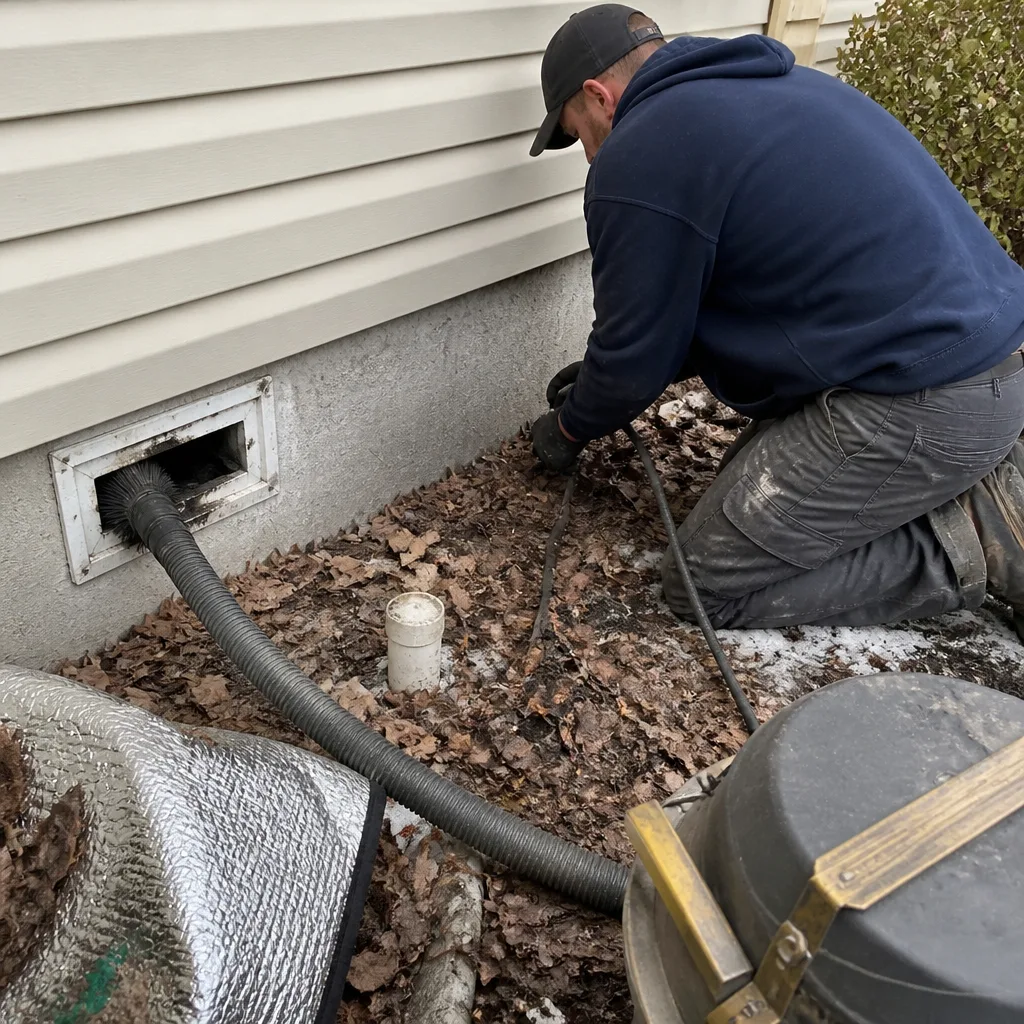
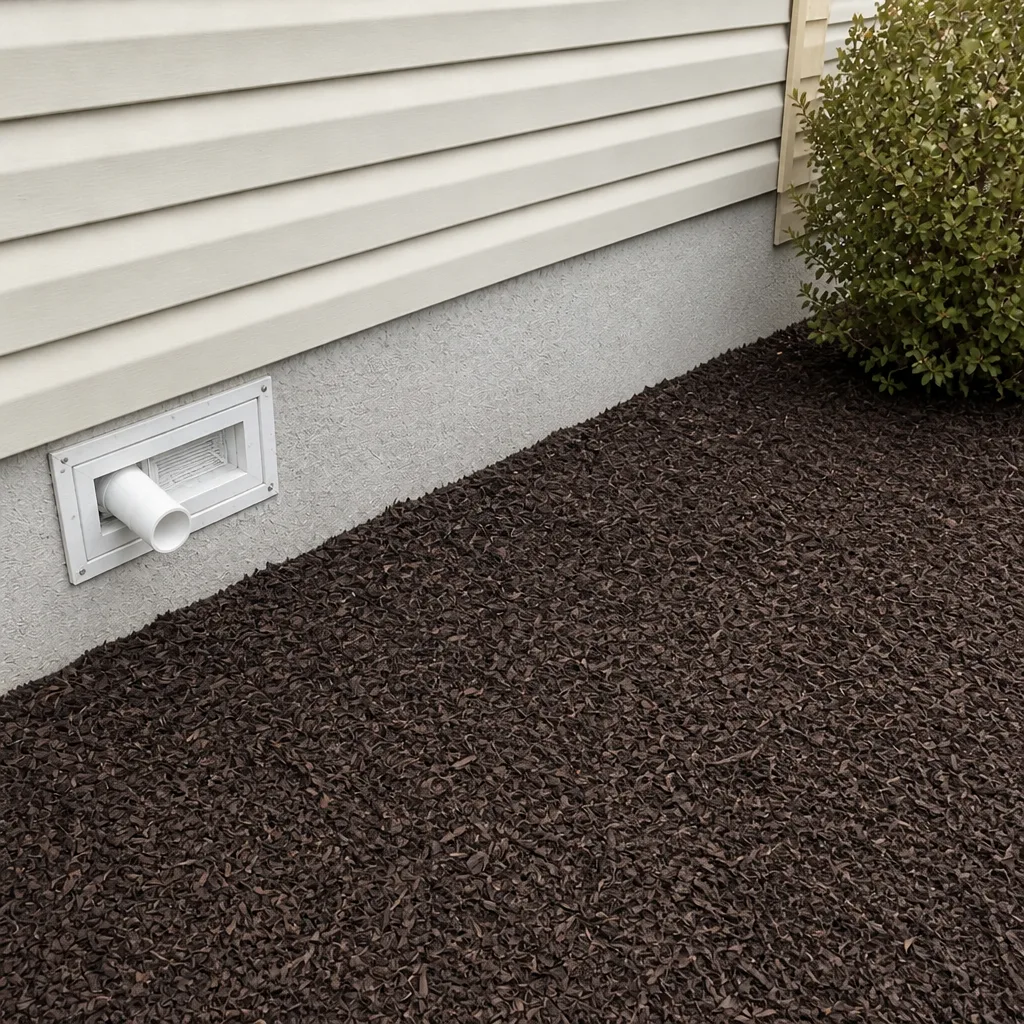
Most of what we’ve covered is about the heating side, but the dryer vent is the other part of the system that deserves a regular look, and it’s the one homeowners skip. A clogged dryer vent is a fire risk, not a housekeeping nuisance. Lint is highly combustible, and it accumulates in the vent run faster than most people realize, especially when the run is long or the vent terminates through a wall rather than straight up.
Signs the dryer vent needs attention:
- Clothes take noticeably longer to dry than they used to.
- The dryer feels hot to the touch on the top or sides.
- You can’t feel strong airflow at the exterior vent flap.
- Lint appears around the dryer’s lint trap housing, not just in the trap.
We treat dryer vent cleaning as a dedicated service, not an add-on. It takes a different toolset and a different eye than duct cleaning, and it’s part of the narrow three-service focus we keep on purpose. Our technicians have up to 13 years of experience, and every one of them works in air duct and dryer vent services exclusively.
Common Mistakes to Avoid
Here are the mistakes we see most often, and each one is easy to avoid once you know about it.
- Closing registers to “balance” the airflow. Shutting one vent pushes the same air volume through the remaining ones, which raises pressure, stirs up settled debris, and can send it to the rooms you were trying to help.
- Skipping the filter and blaming the ducts. A dirty filter chokes airflow at the source. Check the filter before you spend money on anything else.
- Using a shop vac at the register opening. A shop vac pulls dust out of the visible opening but stirs up the rest of the debris in the run, which spreads through the house.
- Cleaning when the real problem is damage. If a run is crushed or torn, cleaning makes the duct cleaner but doesn’t fix the airflow. Damage needs repair, and cleaning alone can miss it.
- Ignoring a musty smell until it gets worse. The smell is diagnostic. Skipping the inspection when you notice it lets a moisture or liner problem develop unnoticed.
- Treating the dryer vent as a housekeeping chore. It’s a fire-prevention service. Lint builds up faster than people assume, especially on long or concealed vent runs.
- Signing up with whoever knocks on the door with a low advertised price. A very low price usually means a quick sweep with consumer-grade equipment. Ask what equipment is used and what the estimate covers.
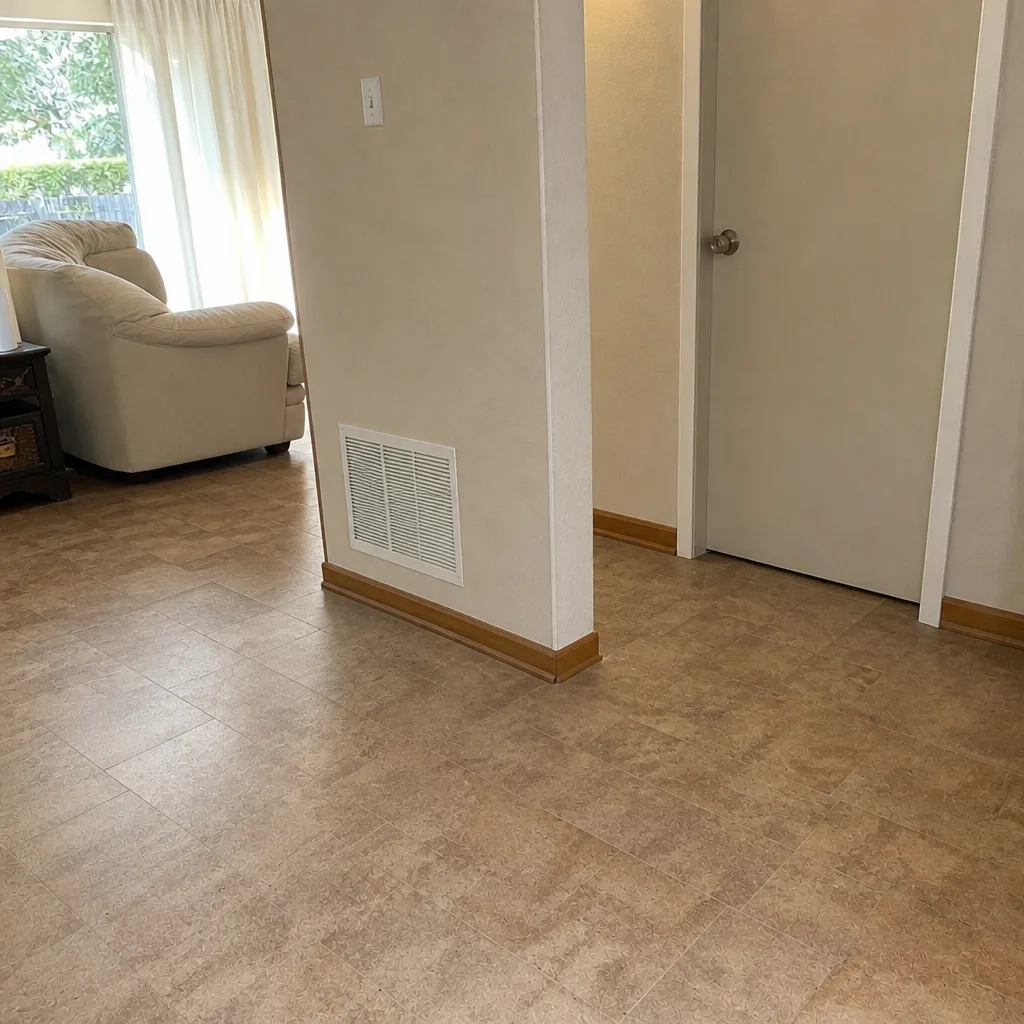
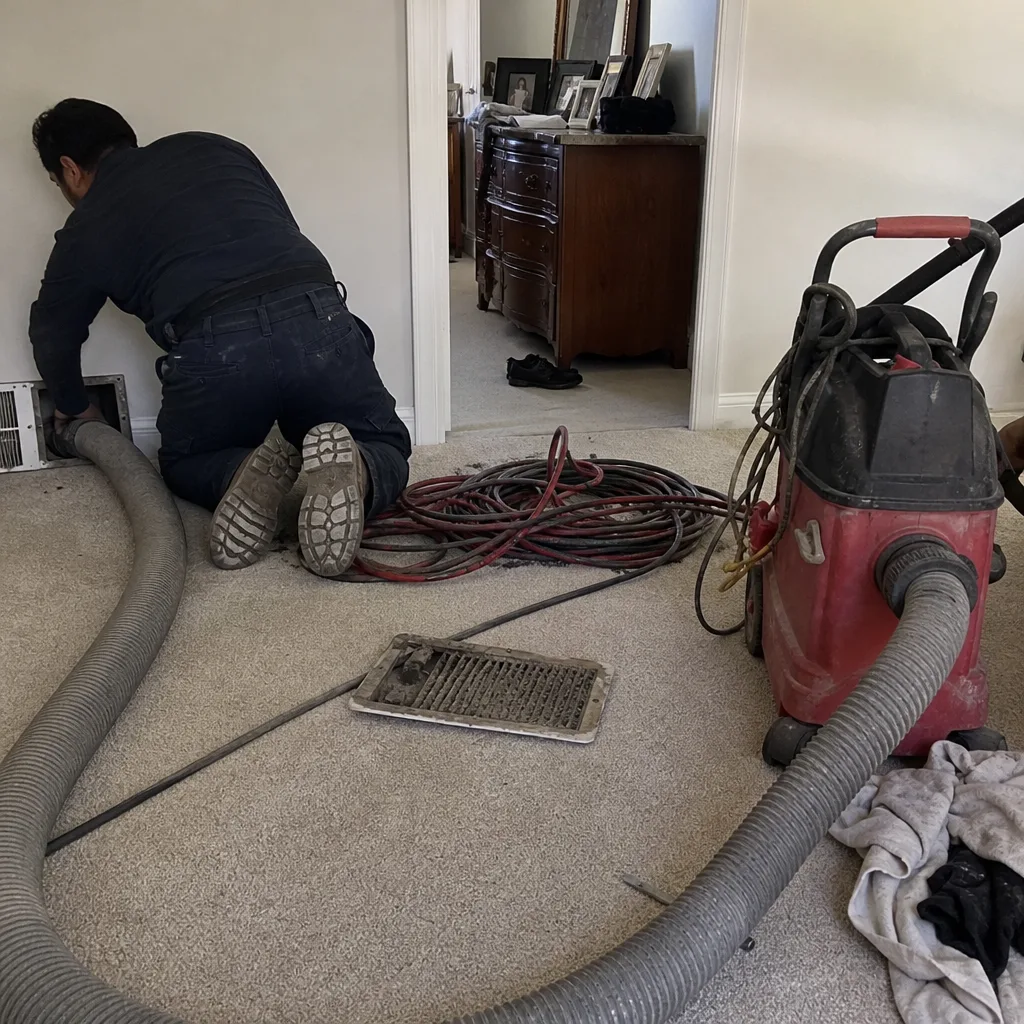
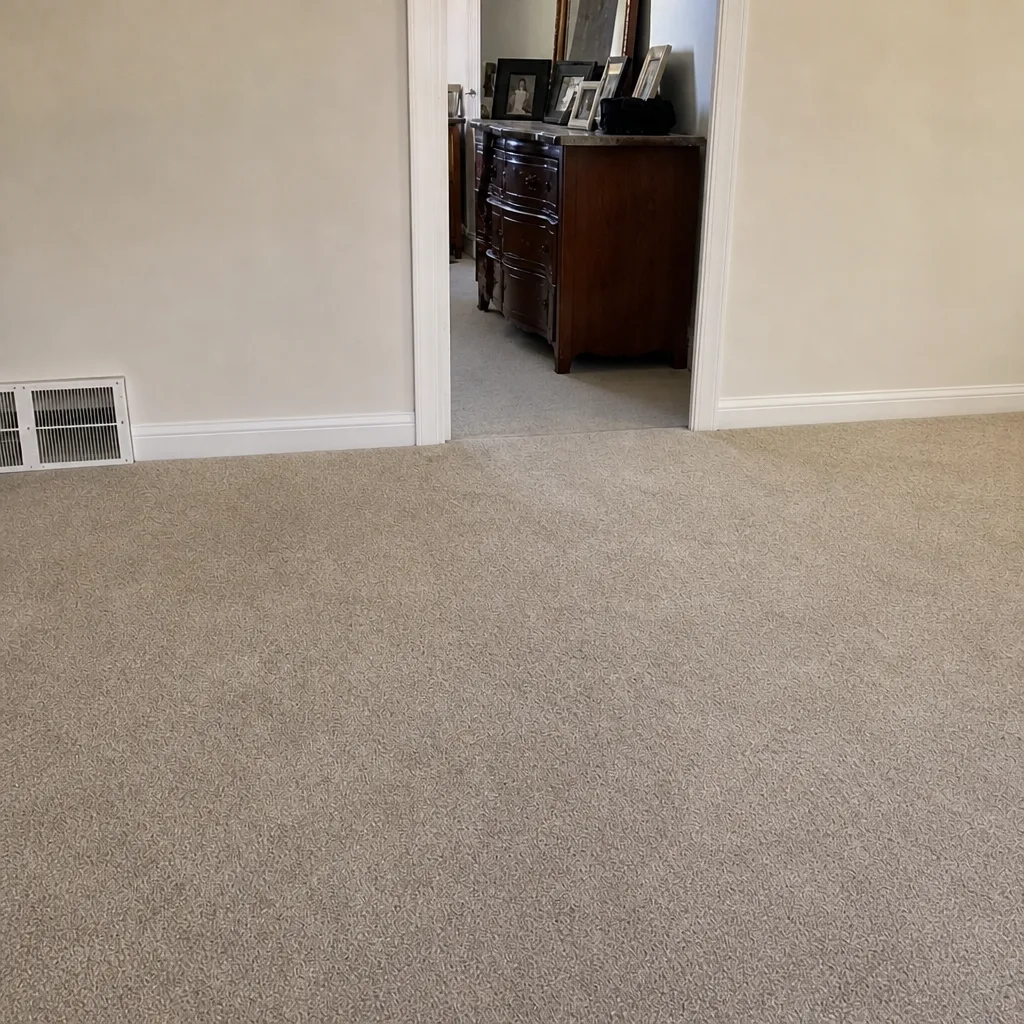
See the difference
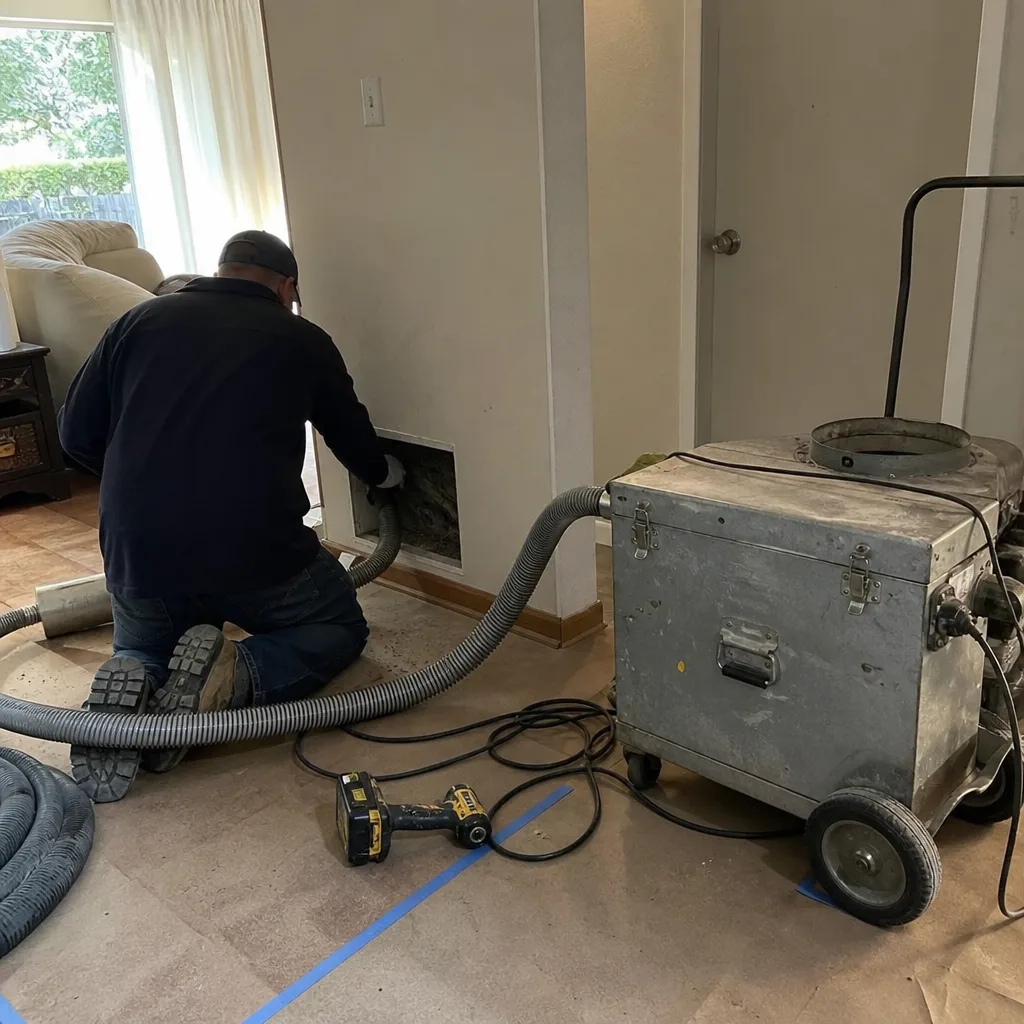 Before
 After
 Before
 After
 Before
 After
When to Call a Professional
Call a professional when you see visible debris blowing from a register at startup, when several rooms are consistently cold while the furnace runs normally, when there’s a musty or decayed odor you can’t place, or when the ducts show signs of damage at the joints or liner. The judgment call is the timing: if the problem looks mechanical, it likely won’t improve with time, and a small repair now costs less than a bigger one later. The Spokane climate makes the timing matter, because winter heating runs matter more here than in a milder climate, and any restriction is magnified when the system is working hard. Duct Cleaning Spokane offers free estimates in Spokane. Call (866) 963-7098. We answer 24/7. Fast dispatch from 7am to 7pm, Sunday through Friday. We give one flat price per system agreed before work starts, so you know what you’re paying for, and we share before-and-after photos of your own ducts.
Frequently Asked Questions
Air duct cleaning in Spokane typically runs roughly $350 to $700 for a whole-house system, with the exact figure depending on the number of runs, accessibility, and whether any repair is needed. We don’t quote per-vent prices, because per-vent pricing is where a lot of the industry’s bait-and-switch happens. Call (866) 963-7098 for an exact quote, because estimates are free.
Low quotes are usually based on consumer-grade equipment and a very fast sweep, not a proper cleaning of the whole system. The work often covers the visible register openings and skips the long runs and the return side, where the debris actually collects. If the price looks too low, ask what equipment is used and what the estimate covers, because the answer tells you most of what you need to know. Call (866) 963-7098 for an honest quote based on a whole-system estimate.
Ask for before-and-after photos of your own ducts, not stock images, and take a look at the register openings yourself before and after the visit. We provide photos as part of every job, because that’s the only reliable way to verify the work without watching it. Call (866) 963-7098 to schedule an estimate.
Most homes in Spokane do fine with a cleaning every few years, but the interval depends on the house. Homes near construction, homes with pets, and homes with older duct systems tend to need it more often. The better test is to look for the symptoms above rather than to follow a fixed calendar. Call (866) 963-7098 if you’re unsure whether it’s time.
Sometimes, but not always. Cleaning fixes cold rooms only when the cause is sediment buildup on a long run. If the cause is a crushed or disconnected duct, cleaning alone won’t help and the run needs to be repaired. A proper inspection tells you which problem you’re dealing with. Call (866) 963-7098 to book an estimate.
Yes, air duct repair is a distinct service, and it’s handled on the same visit when cleaning reveals damage. That means you don’t need to call a second contractor once the problem turns up. Call (866) 963-7098 to schedule.
The Bottom Line
Most of what feels like a duct problem in a Spokane home has a specific mechanical cause, and the cause determines the fix. A musty smell at startup, a cold room that never catches up, dust that returns within a week, all of these point to identifiable issues in the ductwork or the air handler. Check the filter first, compare a few registers with a flashlight, and don’t close vents to balance the airflow, because that makes things worse. The one symptom that overrides all troubleshooting is visible debris blowing out of a register when the system starts. When you see that, call. Duct Cleaning Spokane uses professional-grade Rotobrush and Nikro equipment and treats cleaning and repair as one job. Call (866) 963-7098 for a free estimate. We answer 24/7. Fast dispatch from 7am to 7pm, Sunday through Friday.
Written by the team at Duct Cleaning Spokane.