
Last updated November 14, 2026
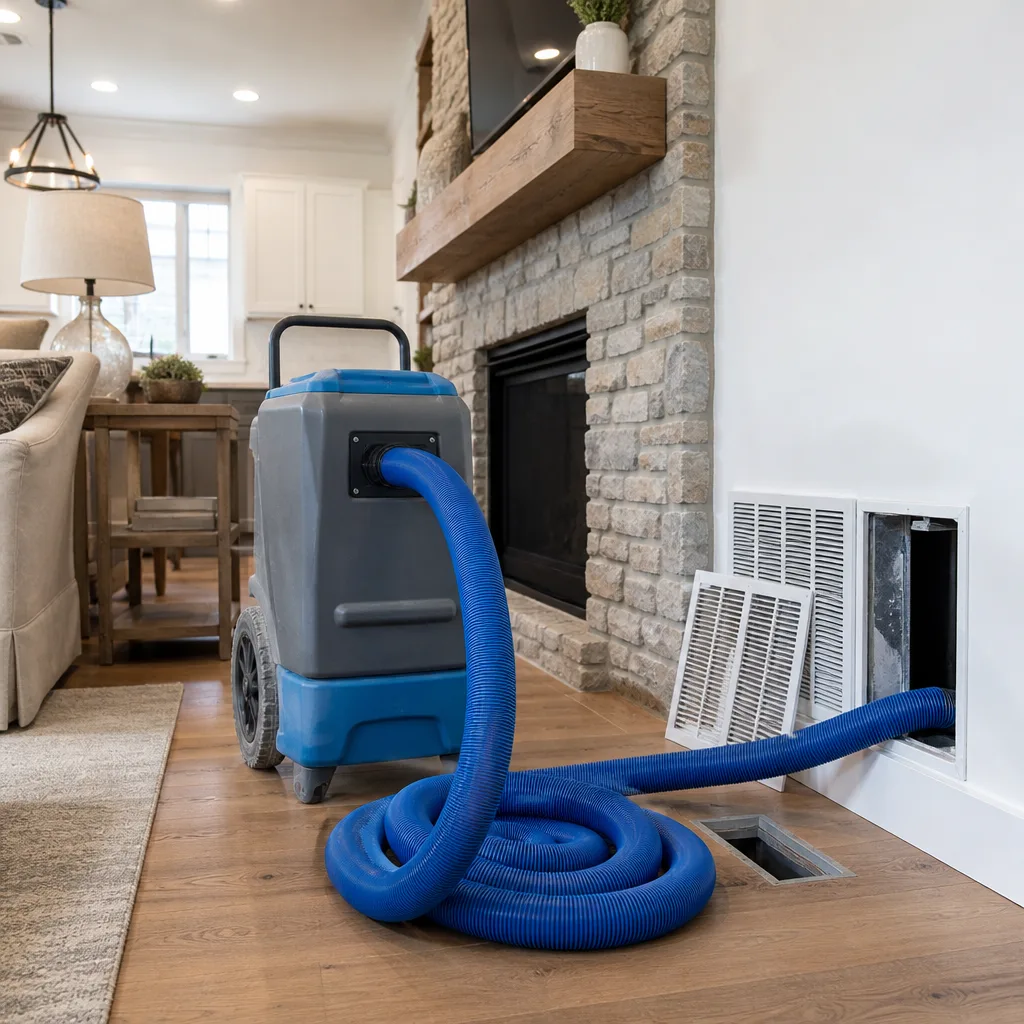 Whole-home duct cleaning
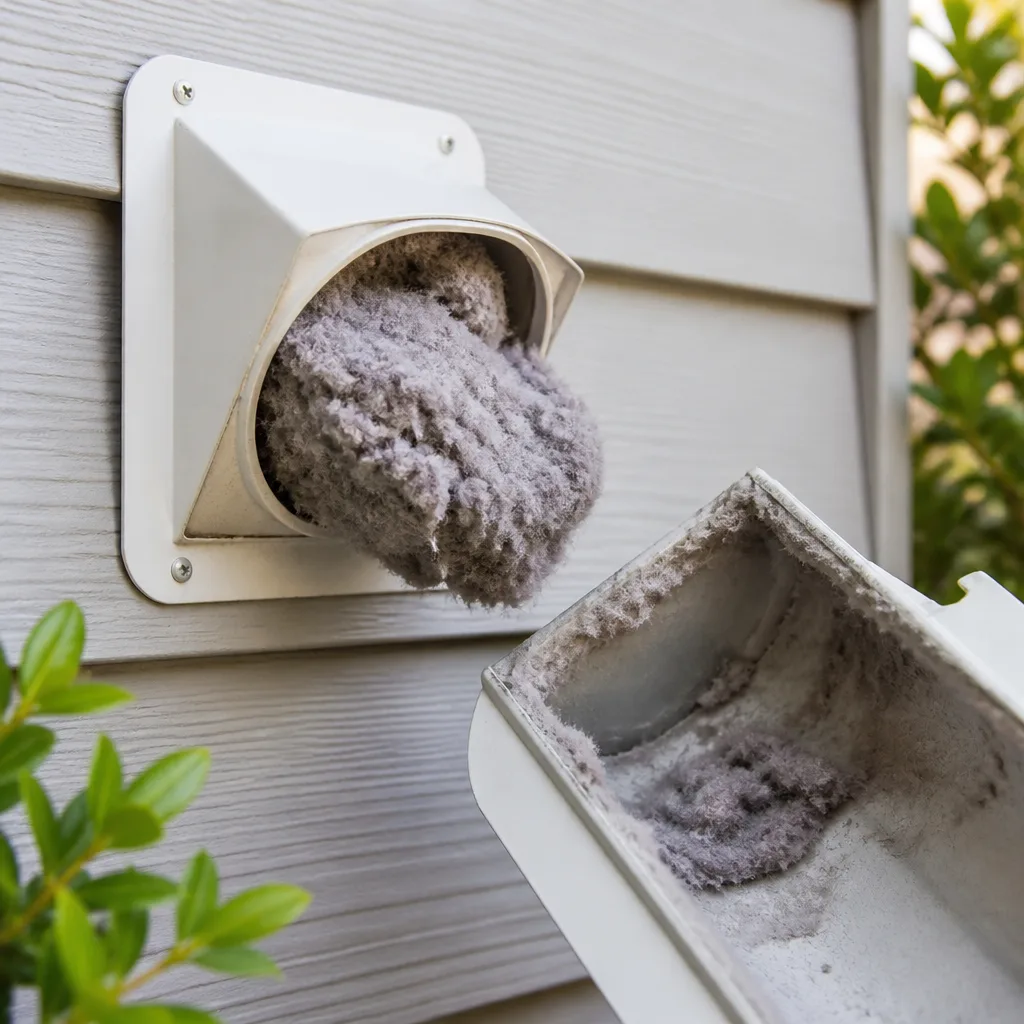 Dryer vent cleaning
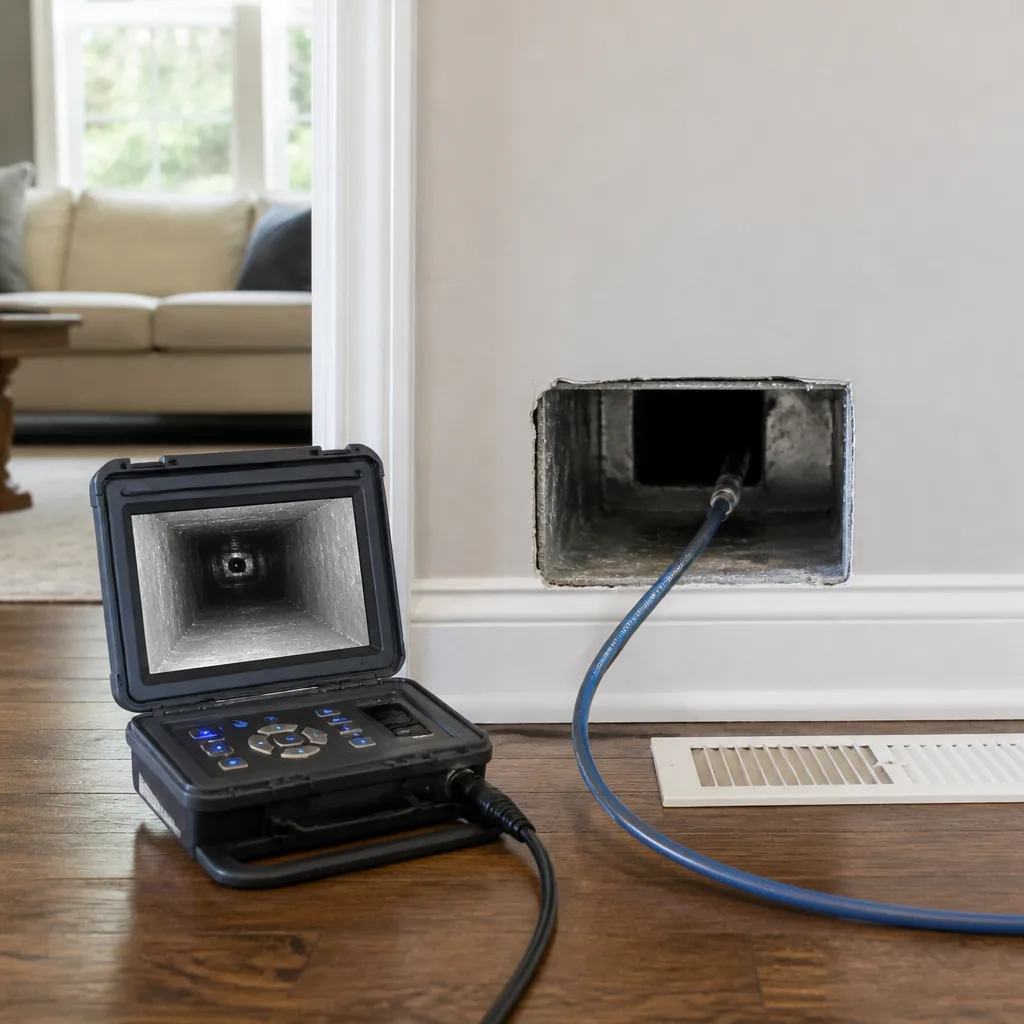 Camera inspection
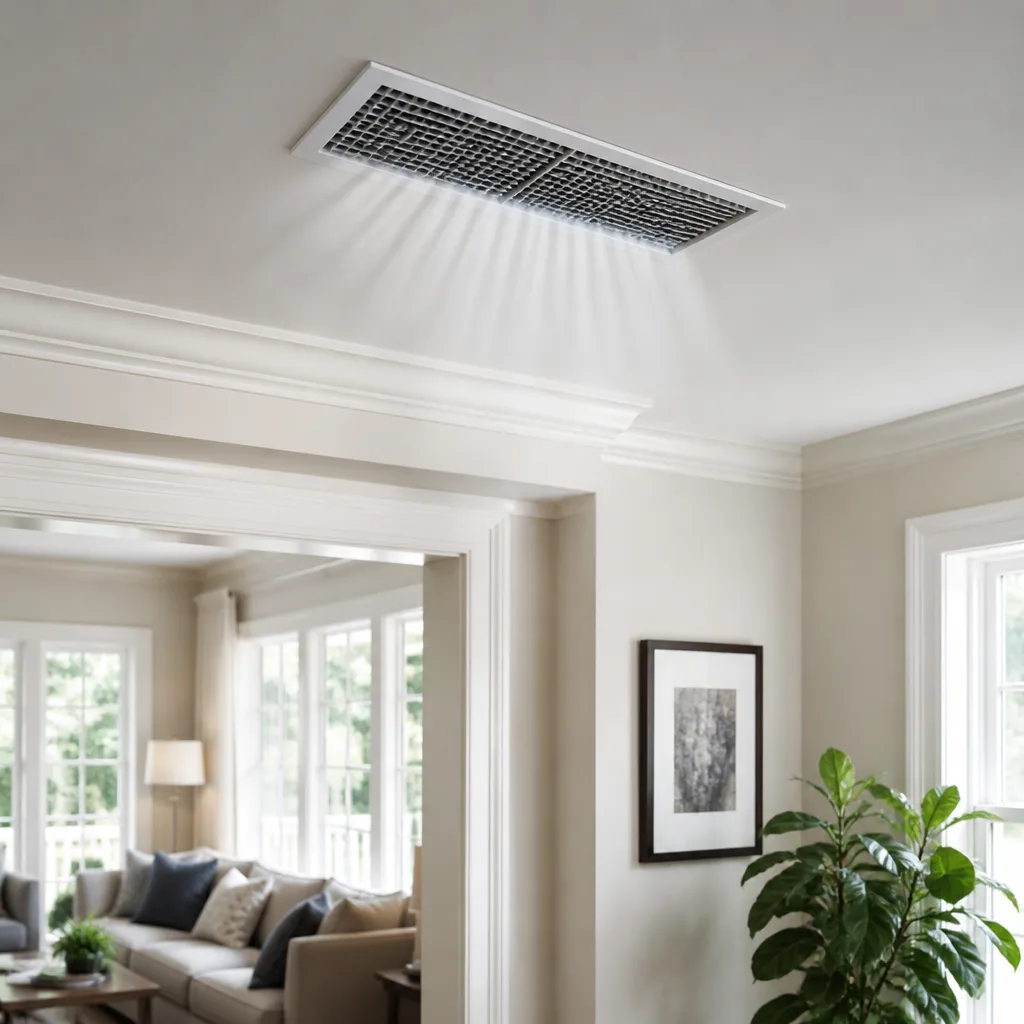 Sanitizing & deodorizing
Whole-system duct and dryer vent check with before-and-after photos - you see exactly what came out of your vents
That "$99 whole-house special" is a bait ad - the real number appears once they are in your hallway, or the "clean" is a shop-vac at the register. We photograph the inside of your ducts before and after instead.
DIY vs Professional Air Duct Cleaning: The Spokane Homeowner’s Decision Guide
Here’s the part most duct cleaning advice skips: the gap between a shop vac and a professional duct system isn’t a marketing number, it’s physics. A consumer drill brush and a shop vac pull roughly 100-150 CFM of suction. A professional truck-mounted vacuum system pulls 10,000+ CFM. That difference isn’t a sales pitch, it’s the mechanical reason DIY duct cleaning has a ceiling you can’t shop-vac your way past. In this guide for Spokane homeowners, we’ll walk through what the negative-pressure principle actually means, what DIY genuinely can accomplish, the three situations where DIY makes things worse, and how to evaluate the before-and-after documentation a professional should hand you.
Quick Answer
DIY air duct cleaning is a reasonable choice for surface-level work: wiping registers and grilles, cleaning the return air filter housing, and pulling lint out of a dryer vent. It cannot match professional cleaning inside the duct runs themselves, because consumer equipment can’t generate the negative pressure and airflow needed to capture what gets loosened. For a Spokane home with normal dust and no contamination events, a professional cleaning every few years handles what DIY can’t reach; after wildfire smoke, a mold concern, or a renovation, professional containment is the only way to avoid spreading the problem.
Styles & brands we work with
- Whole-home duct cleaning
- Dryer vent cleaning
- Camera inspection
- Sanitizing & deodorizing
Table of Contents
- The Negative-Pressure Principle, Explained Simply
- What DIY Duct Cleaning Can Legitimately Accomplish
- Where DIY Hits Its Ceiling
- Three Times DIY Is Counterproductive
- Cost-Benefit: Cleaning vs. Energy Cost in Spokane’s Climate
- How to Evaluate Before-and-After Documentation
- What Professional Equipment Actually Does
- Common Mistakes to Avoid
- When to Call a Professional
The Negative-Pressure Principle, Explained Simply
Every professional duct cleaning setup works on one idea: capture what you loosen, before it drifts into the living room. You can’t clean a duct by blowing it out and hoping the dust finds its way outside. You clean it by applying a strong vacuum at the main trunk line while the agitation happens at the individual branches. The vacuum holds the entire system under negative pressure; anything the brush or air whip disturbs at a branch gets pulled toward the trunk and into the collection unit rather than pushed into the nearest register.
Here’s why that configuration is physically impossible with consumer equipment. A shop vac has to sit near the register it’s connected to. That means the vacuum and the agitation happen at the same point, so loosened dust has nowhere to travel except back into the room. Even a large wet/dry vac can’t hold a branched duct system under negative pressure; it’s pulling from one point, not sealing the network. Professional systems do three things consumer gear can’t:
- Seal the trunk with a specialized collar so the whole system becomes one continuous vacuum chamber.
- Run continuous high-CFM suction (10,000+ CFM on a truck-mounted system) that keeps airborne particles moving toward collection.
- Agitate at a different physical point than the suction, so direction of travel is always toward the collection unit.
Equipment matters here. The professional systems we work with, including Rotobrush and Nikro units, are built around this trunk-seal-plus-branch-agitation model. That’s not a brand endorsement; it’s the reason those systems exist in the first place. A dedicated air duct cleaning service is really a negative-pressure service.
What DIY Duct Cleaning Can Legitimately Accomplish
DIY duct cleaning gets unfairly dismissed as pointless. It isn’t. There’s a real list of tasks a homeowner can do safely and well, and knocking those out between professional cleanings helps keep the interior of the system cleaner for longer.
Register and grille surface cleaning
The visible face of every supply and return register collects dust continuously. Removing the cover (usually two screws) and washing it in the sink, then wiping the immediate throat of the duct with a damp microfiber cloth, clears dust that would otherwise recirculate. A soft brush attachment on a shop vac handles the grille slots without bending the louvers.
Return air filter housing cleaning
Before you slide a new filter in, look at the housing it sits in. Dust cakes onto the lip and the walls around the filter seat, and it gets pulled straight back into the system when the blower starts. Wiping that housing with a damp cloth every filter change is one of the highest-value things a homeowner can do. Filters themselves (Honeywell and Aprilaire make common residential units) should follow the manufacturer’s replacement schedule, not a guess.
Dryer vent lint removal
The accessible section of dryer vent behind the appliance is fair game for a homeowner. Disconnect the dryer, pull the vent loose, and clear the lint that accumulates in the first few feet. This isn’t housekeeping; lint in a dryer vent is a fire ignition source. What you shouldn’t try to DIY is the full run inside the wall cavity, which is where the real accumulation happens and where flexible rods and proper agitation are needed. A dedicated dryer vent cleaning reaches that section properly.
Where DIY Hits Its Ceiling
The honest answer to “can I clean my own ducts?” is yes, up to a point, and the point is the interior of the branched duct runs. Everything past the register face is where consumer equipment stops working.
Dust in ducts isn’t loose powder sitting on the floor of the duct. It accumulates on the walls, sticks in corners and elbows, and forms a light coating that a brush has to physically contact. Reaching it means feeding a flexible, spinning agitation tool down each branch from a main trunk access point. That tool has to be attached to something pulling air out of the system in a coordinated way. Now think about what happens when you agitate without that coordinated suction: the brush loosens the dust and lets it billow back through the nearest register into the room. You’ve taken a coating that was mostly stuck and turned it into airborne particulate.
That’s the ceiling. It’s not a knock on DIY effort. It’s the point at which the equipment itself is the limiting factor, and no amount of homeowner diligence gets around that. In Spokane, where a sealed house runs its heating system hard through the cold months, that stuck coating matters more than it would in a mild climate. Air that recirculates through dust-coated ductwork carries that dust into the living space every cycle.
Three Times DIY Is Counterproductive
For a routine dusty home, DIY surface cleaning is fine. For these three scenarios, stirring the ducts up with a shop vac and a drill brush actively makes things worse, because you’re moving contamination without containing it.
1. After wildfire smoke
Spokane sits downwind of fire-prone regions to the west and north, and summer smoke events are a recurring part of the season here. When smoke infiltrates a home, fine particulates settle inside the ductwork along with the rest of the house. That particulate is exactly the wrong thing to disturb with a shop vac in an occupied space; you’re lifting what settled and giving it a second chance to be inhaled. Professional cleaning captures it under negative pressure, so what comes off the duct wall goes into a collection unit, not into the room.
2. Suspected mold growth
Mold needs moisture, and in Spokane the places it shows up are typically the returns near a humid bathroom, a leaking condensate line, or ductwork in a damp crawlspace. If you can see or smell something that suggests mold inside a duct, don’t disrupt it with agitation. Interrupting a mold colony without containment spreads spores into the air stream. This is a case where professional containment (Abatement Technologies-style equipment is designed for scenarios like this) and a genuine assessment of the moisture source come first. Duct cleaning addresses the contamination; identifying and fixing the moisture is what keeps it from returning.
3. After renovation or construction
Drywall dust, sawdust, and construction particulate are finer and more abrasive than normal household dust, and a renovation sends a wave of it into every return. Disturbing that material without containment is a recipe for filling the house with fine dust and, in some cases, driving abrasive particles into the blower and heat exchanger. Professional cleaning after a renovation is standard practice because the volume and nature of the debris is beyond what DIY tools can manage.
Cost-Benefit: Cleaning vs. Energy Cost in Spokane’s Climate
Spokane’s climate does something to this decision that mild-climate duct cleaning articles miss. Heating season here is long and demanding, and a heating system pulling air through restricted or dust-laden ductwork has to work harder to move the same volume of warm air. Every extra bit of static pressure from a dirty system shows up as reduced airflow and higher energy use through the season.
There’s a second, quieter cost: equipment wear. A blower motor that runs against higher resistance runs hotter and wears sooner. Compressors in heat pump systems work the same way. Neither of these failures announces itself. They show up later as shortened equipment life, and on a mid-life HVAC system that becomes an expensive replacement rather than a scheduled cleaning.
The honest framing looks like this:
- Professional cleaning is a per-job cost, quoted by written estimate before any work starts, and priced on the whole system rather than per vent.
- Deferred cleaning costs are harder to quantify but real: energy, equipment wear, and in a Spokane heating season, more of both.
- DIY surface cleaning between professional visits is free (beyond a few minutes and a shop vac), and it genuinely extends the interval before the next cleaning is needed.
The right answer isn’t “always hire out.” It’s that DIY handles the perimeter, and professional cleaning handles the interior of the system, which is where the real energy and equipment impact sits.
How to Evaluate Before-and-After Documentation
You shouldn’t have to take anyone’s word for whether the work was done. A professional cleaning should produce visual evidence you can review, and knowing what that evidence should look like lets you hold any company accountable, ours included.
- Ask for interior photos, not just exterior ones. Photos of the register cover before and after prove the cover was wiped. What matters is the inside of a duct run, down a branch, taken with a light and camera well enough to see the surface.
- Take photos at the same location before and after. Consistent angles matter. If a company shows a “before” from one branch and an “after” from another, the comparison means nothing.
- Look at multiple runs, not just the trunk. A clean trunk says good things about the trunk; branches are what feed individual rooms and are where the angled jobs live.
- Ask about the return side as well as the supply side. Returns usually carry more dust load because they pull household air first. If the documentation skips returns, ask why.
- Check that the dryer vent is covered separately if you booked it. It’s a distinct service with a distinct fire-prevention purpose and deserves its own photos.
A company that won’t provide interior photos or takes offense when you ask is showing you what their standard is. In a market where $99 duct cleaning offers are common, before-and-after documentation is one of the clearest signals that you’re dealing with someone who actually intends to do the work. Before you commit, ask the company to walk you through what documentation they’ll leave with you.
What Professional Equipment Actually Does
The gap between consumer gear and professional systems isn’t just airflow; it’s a different type of operation. Here’s how the tools break down by role, and what each one actually does that a shop vac can’t.
- Truck-mounted vacuum (10,000+ CFM): holds the entire duct network under negative pressure while agitation happens elsewhere. This is the foundation.
- Rotary brush agitation (Rotobrush and similar): spins a contact brush through a branch line, loosening stuck dust coating so the vacuum can capture it. Brush choice varies by duct material.
- Air whip agitation (Nikro and similar): uses compressed air to knock dust off the walls in tighter or more flexible runs, where brushes would be too aggressive.
- Containment equipment (Abatement Technologies-style): for higher-demand scenarios (smoke, mold, renovation), these systems keep contamination isolated during the work rather than relying on the vacuum alone.
- Access cutting and resealing: clean access points get cut into duct walls where needed so agitation can reach the whole system, then resealed to a tight standard.
- Dryer vent agitation and lint extraction: a separate tool set from duct cleaning, since dryer vent runs need different reach and agitation than HVAC ducts.
The other half of this story is what happens when cleaning reveals damage. Loose joints, disconnected elbows, crushed flex runs, and torn duct liner all show up during cleaning, and they undercut the airflow you just paid to restore. A company that cleans only and moves on leaves that damage in place. Our Duct Cleaning Spokane work includes Air Duct Repair as a distinct service for that reason, so diagnosis and repair happen on the same visit rather than requiring a second contractor. Clean ducts. Repaired ducts. Done right.
Common Mistakes to Avoid
- Using a shop vac to clean an entire duct run. The vacuum only affects the point it’s attached to, and the dust it loosens has to go somewhere; that somewhere is your room.
- Buying into a “$99 whole house” price. In Spokane, quotes that low are almost always the bait for a much bigger invoice once the technician is on site. A fair price is one agreed before work starts, on the whole system.
- Stirring ducts after wildfire smoke or a renovation without containment. Agitating the system without capture spreads the very particulate you’re trying to remove.
- Skipping the return ductwork. Returns handle more dust load than supplies in most Spokane homes. Cleaning only the supply side leaves half the system untouched.
- Treating dryer vent cleaning as optional housekeeping. Lint in a dryer vent is a fire ignition source, not a cosmetic issue. It’s the one duct in the house where the consequence of neglect is more than dust.
- Believing the “same equipment as the pros” pitch on consumer tools. A consumer drill brush attachment is not a rotary brush system, and a shop vac is not a negative-pressure unit. The CFM gap is roughly two orders of magnitude.
- Ignoring what cleaning finds. A loose duct joint or crushed flex run left in place after a cleaning cancels much of the benefit in airflow and efficiency.
When to Call a Professional
Book professional cleaning when the task crosses the interior of the ductwork: a system that’s never been cleaned in a house you’ve just moved into, visible dust puffing from registers when the heat kicks on, a recent wildfire smoke event, a renovation that generated fine debris, a smell in the ducts that doesn’t go away, or a dryer that’s taking longer than usual to dry a load. Book repair service when a cleaning reveals damage, because leaving it means the airflow you paid for doesn’t last. And for a Spokane home, we recommend evaluating the whole system about every three to five years; a house with pets, smokers, or recent construction may want it more often. Duct Cleaning Spokane offers free estimates in Spokane. Call (866) 963-7098. We answer 24/7. Fast dispatch from 7am to 7pm, Sunday through Friday.
See the difference
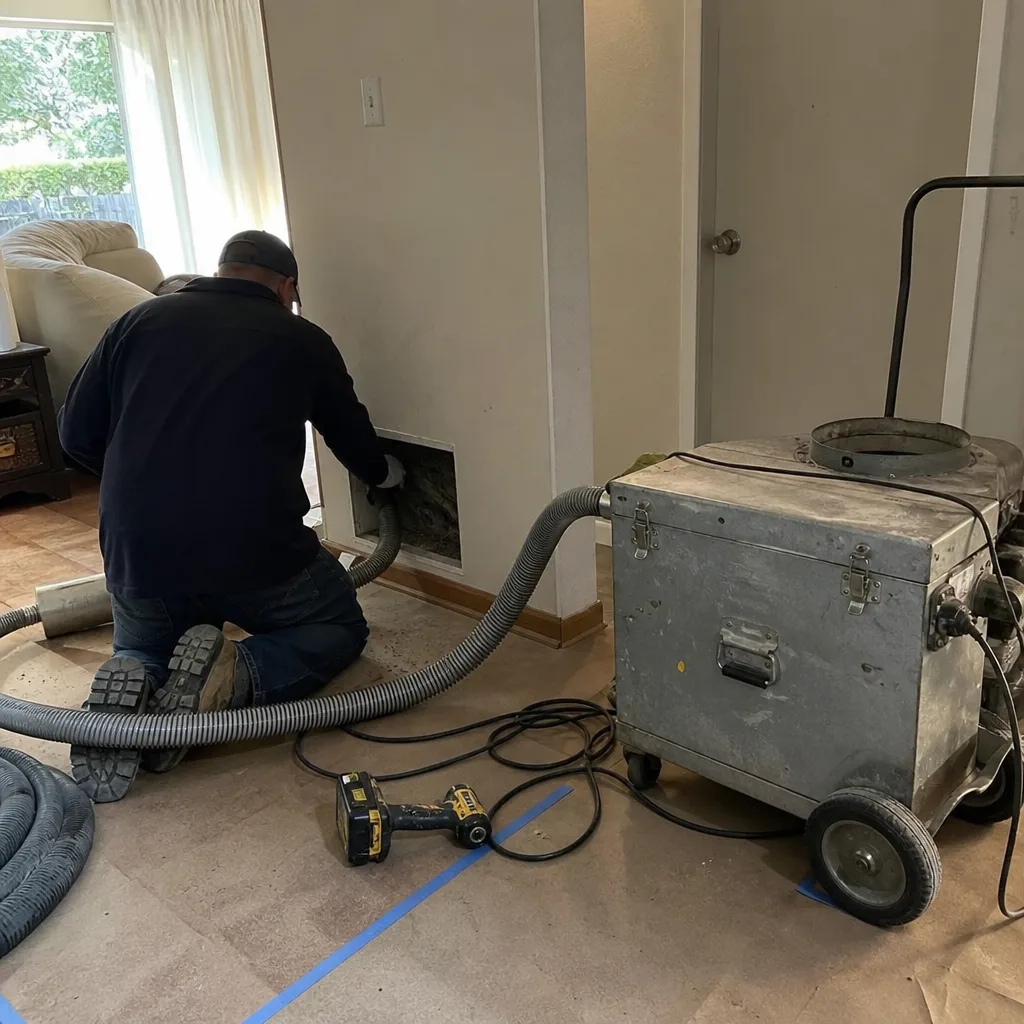 Before
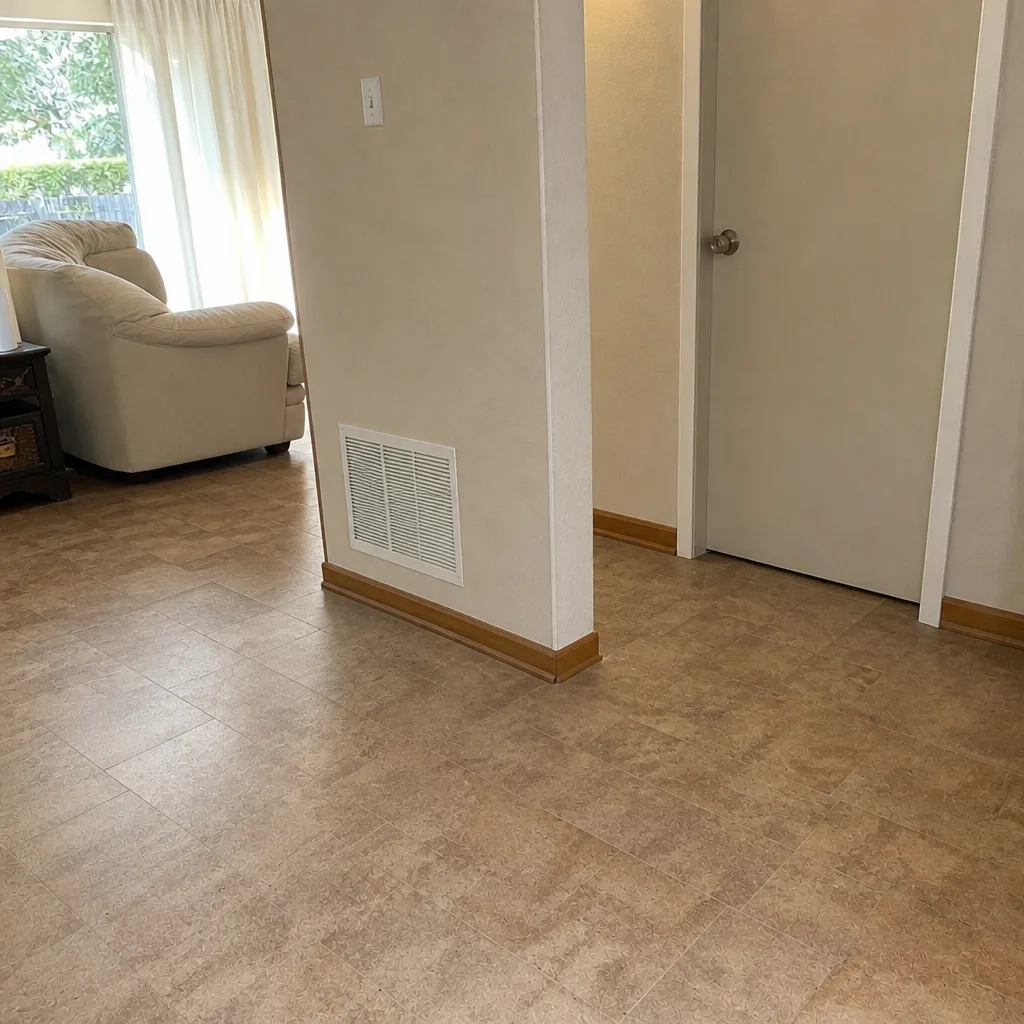 After
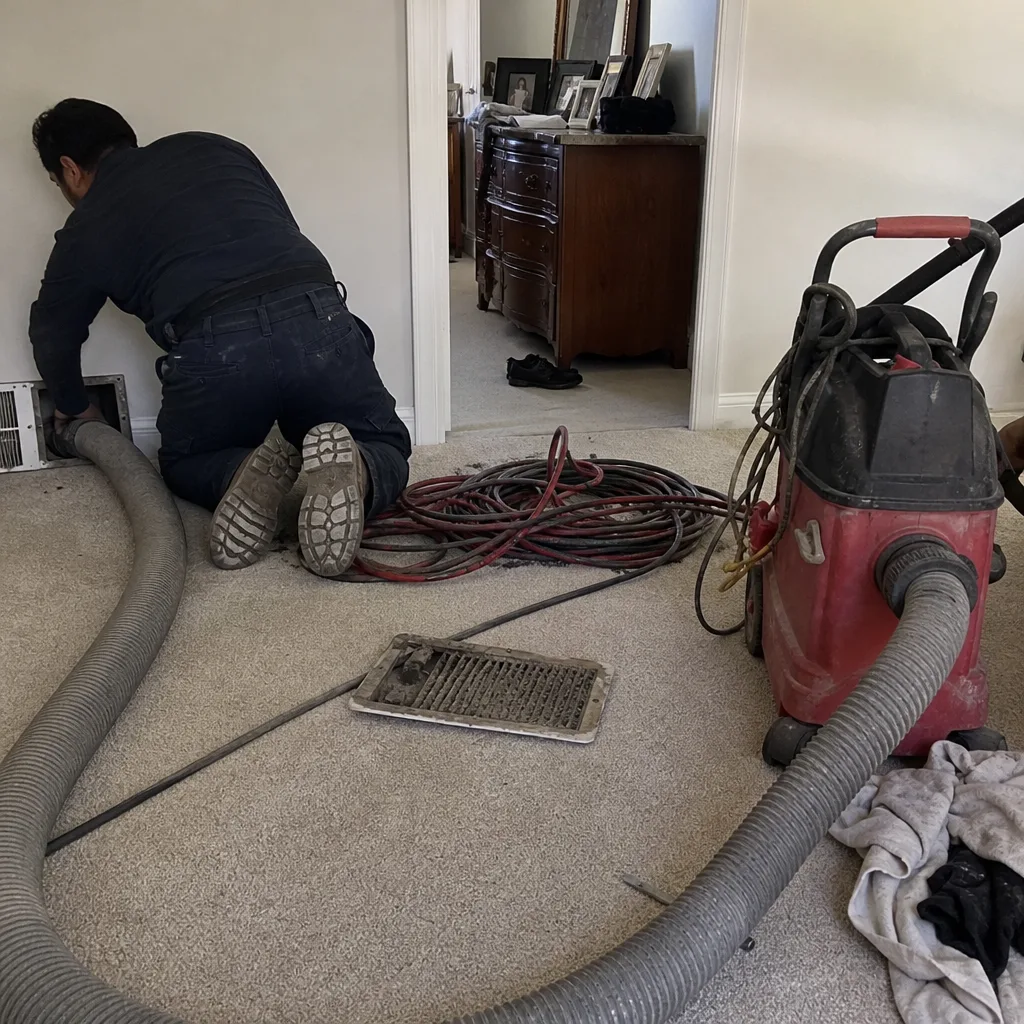 Before
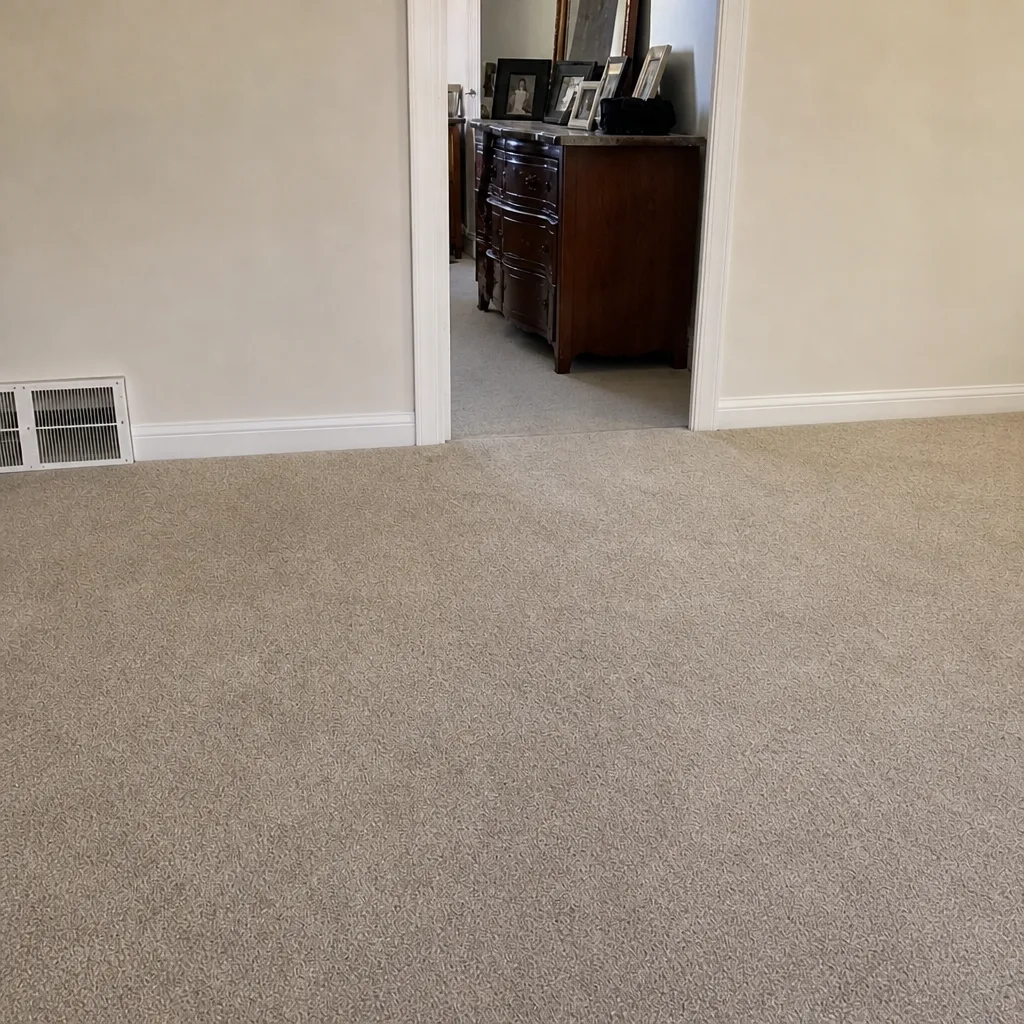 After
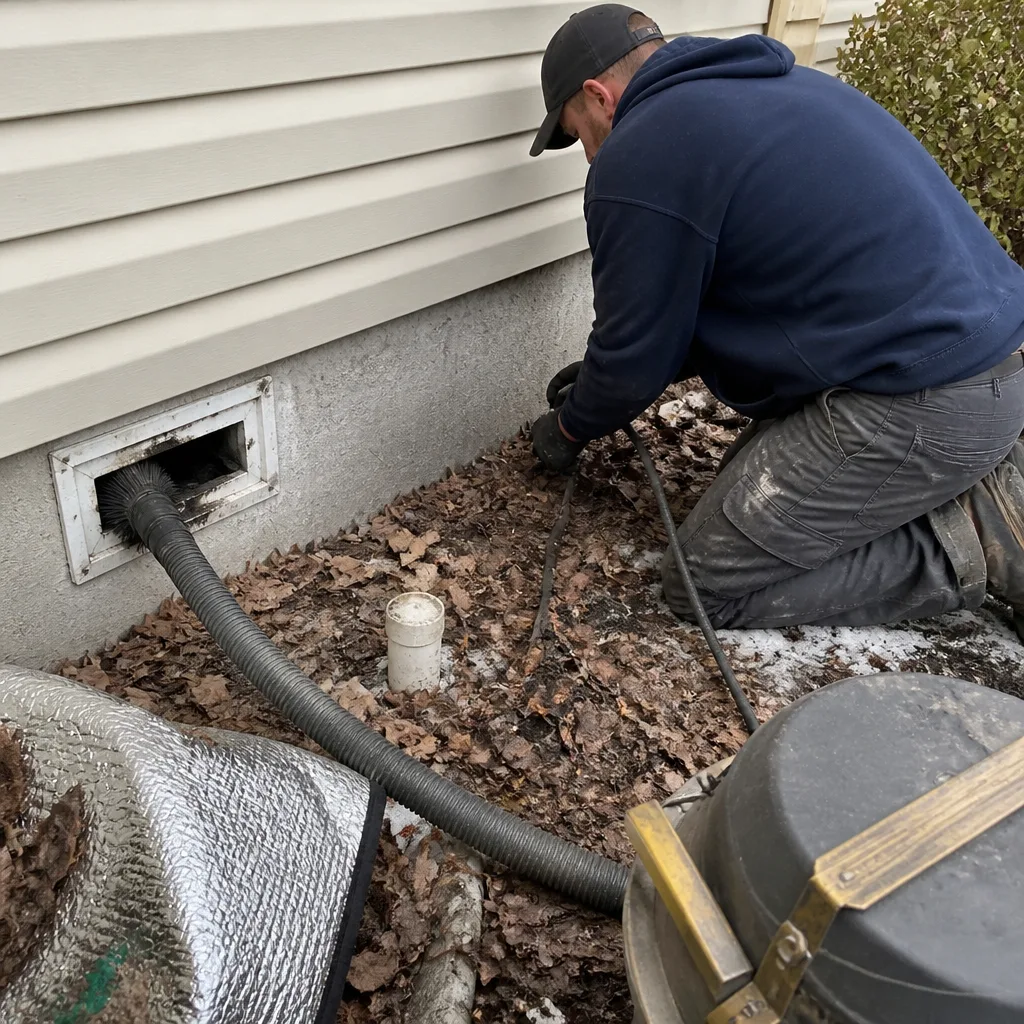 Before
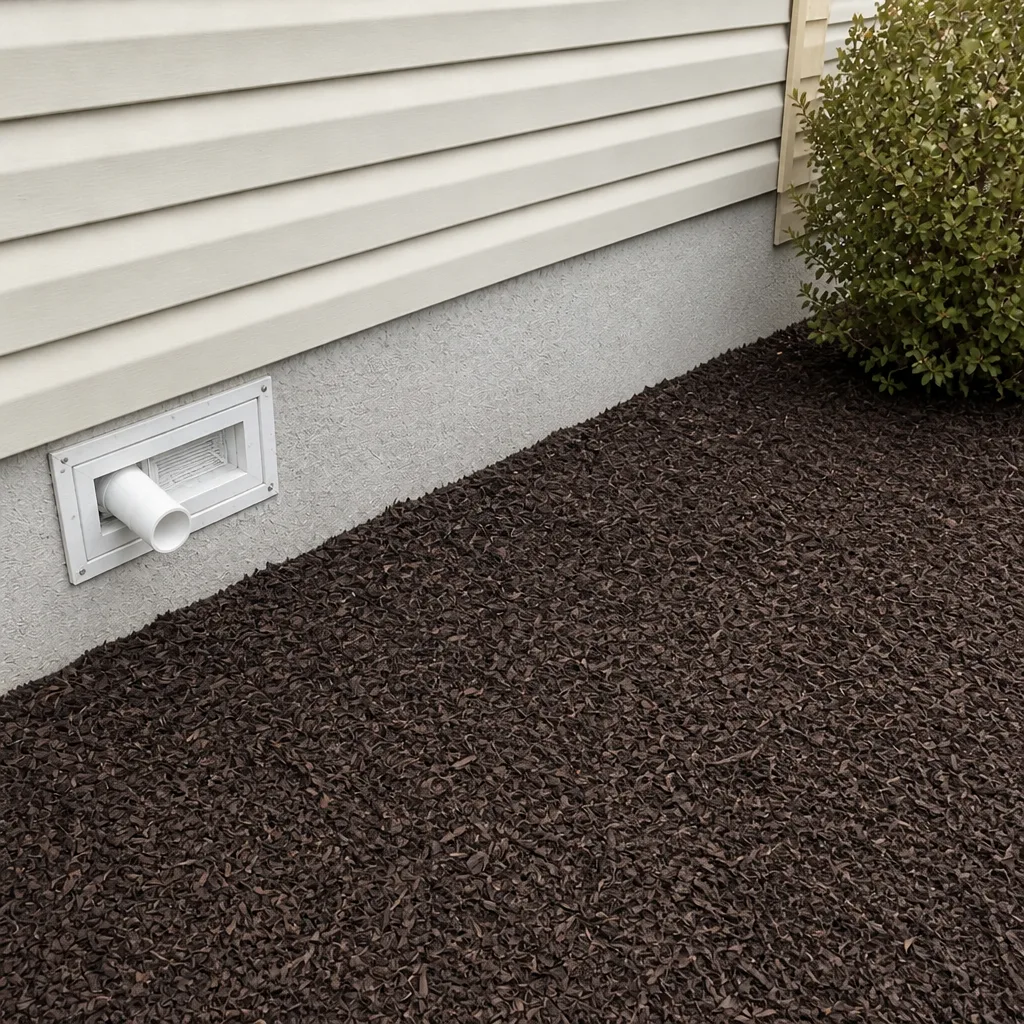 After
Frequently Asked Questions
Residential air duct cleaning in Spokane is priced per system, quoted by written estimate before work starts. Legitimate prices reflect the number of duct runs, the accessibility of the system, and whether any damage needs repair, not a per-vent figure. Anyone quoting a fixed low price before seeing the system is guessing or setting up a bait-and-switch. Call (866) 963-7098 for an exact quote; estimates are free.
Cheap quotes typically reflect either a smaller scope than you think you’re buying (surface only, no trunk agitation), or a teaser price designed to grow once the technician is on site. Real negative-pressure cleaning needs professional equipment, time, and interior documentation, and those things have a cost. Ask what’s included, ask for written scope, and ask for before-and-after photos. Call (866) 963-7098 for an honest number.
Ask for interior photos of the ductwork before and after, taken at the same angles, across multiple branches and both supply and return sides. That’s the evidence that separates a real cleaning from a register wipe-down. If a contractor won’t provide it, that tells you what you need to know. Call (866) 963-7098 and ask what documentation we provide.
Most Spokane homes do well with professional cleaning every three to five years. Homes with pets, smokers, allergy-sensitive residents, or recent renovation may need it more often, and homes hit by a significant wildfire smoke event should be evaluated on their own timeline. DIY surface cleaning between visits extends the interval. Call (866) 963-7098 for a free estimate and a conversation about what your home actually needs.
Surface-level DIY cleaning is safe: registers, grilles, return filter housings, and the accessible portion of the dryer vent. Cleaning inside the branches with a shop vac and drill brush is safe for you but counterproductive for your air quality, because agitation without containment pushes dust into the room. For smoke, mold, or renovation debris, skip DIY entirely. Call (866) 963-7098 if you want an assessment.
It depends on what’s found. Loose joints, disconnected elbows, and crushed flex runs can often be addressed on the same visit as cleaning; larger repairs may need a follow-up. The important point is that the same company handles both, so a cleaning doesn’t leave a broken duct behind for someone else to find. Call (866) 963-7098 to book a visit and let the technician diagnose on site.
The Bottom Line
DIY duct cleaning has a real, useful role: it keeps the visible edges of the system clean and extends the interval between professional cleanings, which matters in a Spokane home that runs its heating system hard through the winter. What DIY can’t do is clean inside the branched runs themselves, because consumer equipment can’t hold an entire duct network under negative pressure while an agitation tool works somewhere else. For three situations (post-wildfire smoke, suspected mold, post-renovation debris), attempting to DIY without containment is worse than doing nothing. The right call for the interior of your ductwork is a professional visit with verifiable equipment and before-and-after documentation, and if cleaning reveals damage, the company that cleans should be the one that repairs. Clean ducts. Repaired ducts. Done right.
Ready to get a proper assessment of your Spokane ductwork? Our technicians have up to 13 years of experience and work on air ducts and dryer vents exclusively. Call (866) 963-7098 for a free estimate. We answer 24/7. Fast dispatch from 7am to 7pm, Sunday through Friday. We work out of Spokane and treat every job as core work, not a side offering.
Written by the team at Duct Cleaning Spokane.