
Last updated November 14, 2026
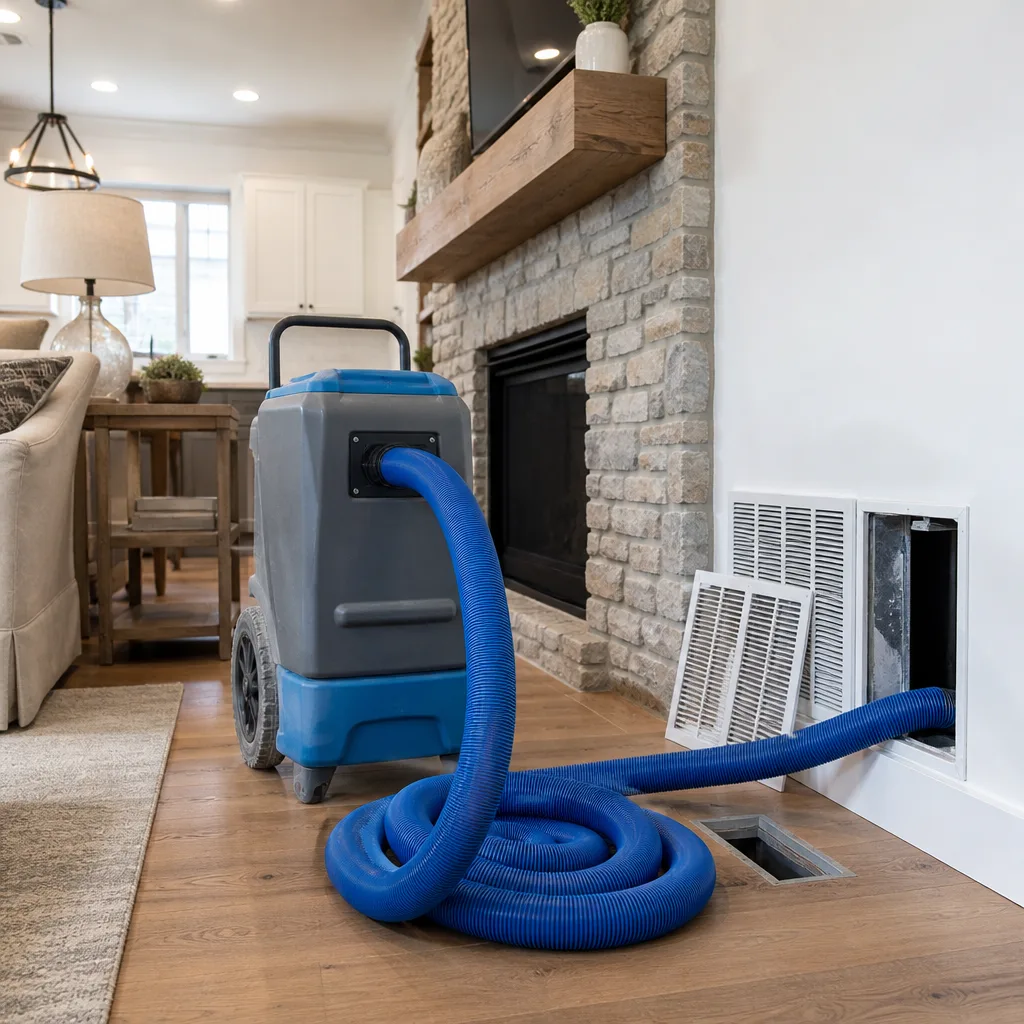 Whole-home duct cleaning
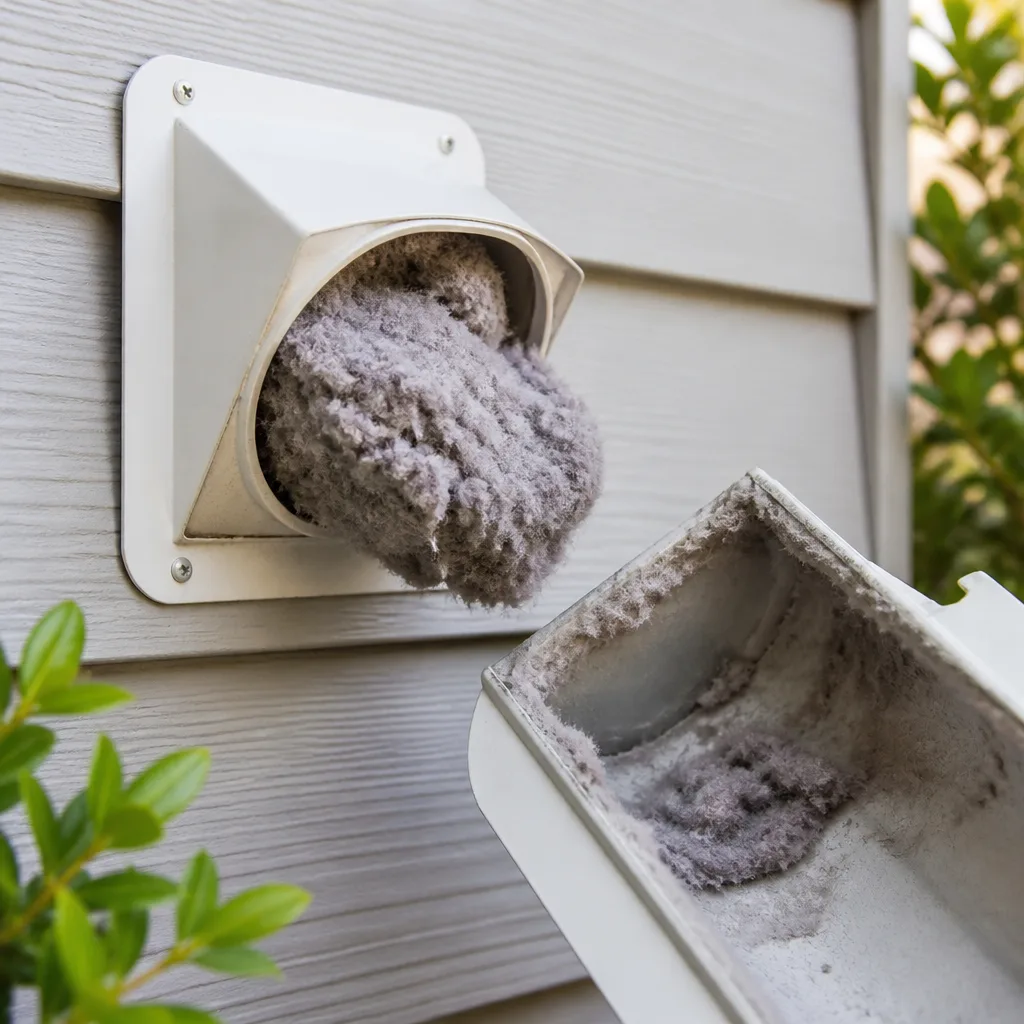 Dryer vent cleaning
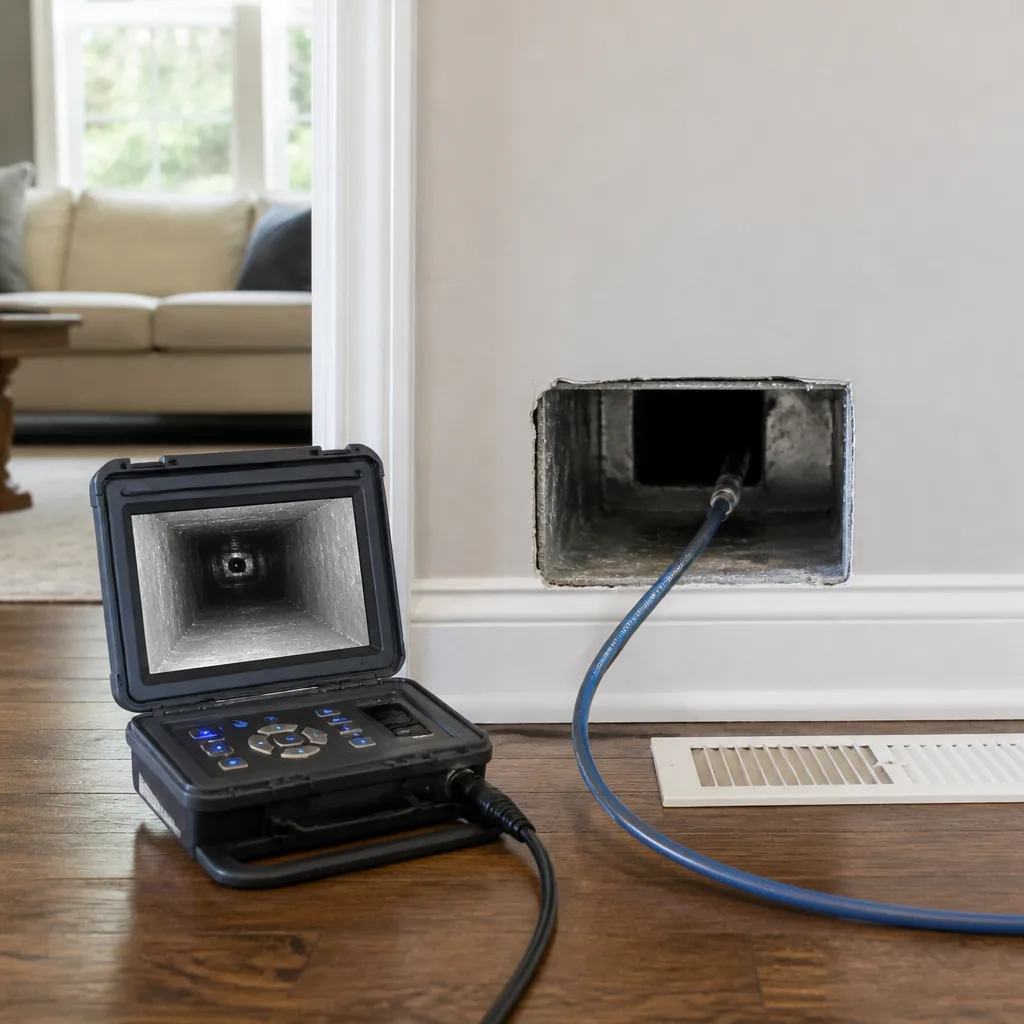 Camera inspection
 Sanitizing & deodorizing
Whole-system duct and dryer vent check with before-and-after photos - you see exactly what came out of your vents
That "$99 whole-house special" is a bait ad - the real number appears once they are in your hallway, or the "clean" is a shop-vac at the register. We photograph the inside of your ducts before and after instead.
Air Duct Cleaning Maintenance Schedule: What to Do and When
Most homeowners searching for a duct cleaning schedule find the same advice repeated everywhere: clean every three to five years. That number isn’t wrong, but it’s not useful either. It ignores the variables that actually load a duct system with debris, and in Spokane those variables are real. Wildfire smoke that settles over the region each summer, the age of a home and the material of its original ductwork, how many people and pets share the space, and whether anyone has recently remodeled all change the answer. This guide replaces the generic rule with a schedule you can actually build around your home, plus the between-cleaning tasks that keep a system from getting bad in the first place.
Quick Answer
In Spokane, most homes land on a professional air duct cleaning interval of every three to five years, but that range shifts shorter after a heavy wildfire smoke season, a remodel, a new pet, or a move into an older home with original ductwork. Dryer vents run on a tighter clock entirely and should be cleaned separately, roughly once a year for most households. Between professional visits, filters and register wipe-downs are homeowner work; anything involving the inside of the duct system is not.
Styles & brands we work with
- Whole-home duct cleaning
- Dryer vent cleaning
- Camera inspection
- Sanitizing & deodorizing
Table of Contents
- Why the Universal “Every 3-5 Years” Rule Falls Short in Spokane
- The Spokane Decision Matrix: What Actually Drives Your Interval
- Setting an Interval After a Triggering Event vs. on a Calendar
- What Homeowners Should Do Between Professional Cleanings
- Why Dryer Vents Run on a Tighter Schedule Than Air Ducts
- How to Document Cleaning Dates So the Next Technician Isn’t Starting Blind
- What to Look For in a Duct Cleaning Professional
- A Seasonal Rhythm for Spokane Homes
Why the Universal “Every 3-5 Years” Rule Falls Short in Spokane
The three-to-five-year figure comes from general guidance that predates the Pacific Northwest’s wildfire smoke seasons becoming a recurring air quality event. That guidance was never wrong so much as incomplete. It assumes a fairly stable environment: average outdoor air, a home that isn’t changing much, a duct system that hasn’t been disturbed. Homes in Spokane don’t always fit that profile. A house near the Spokane River valley can sit under an inversion layer during smoke season, holding fine particulate in the air longer than a house on the South Hill ridge above it. The same summer can load two duct systems very differently.
What actually accumulates inside ductwork is a mix of settled dust, lint, pet dander, and, during smoke events, fine particulate that slips past filters and settles on duct walls. That last category is the one the generic rule doesn’t account for, because it wasn’t a routine annual event when the guidance was written. Duct systems don’t self-clean. Once debris settles on the walls of a supply run, airflow across that surface keeps it airborne in small amounts and pushes it toward registers.
There’s a second problem with the generic rule: it treats every home the same. A two-person household in a newer home with a well-sealed duct system and good filtration may genuinely go five years between cleanings. A family of five with two dogs in a mid-century rancher with original galvanized ductwork may need attention far sooner. The variables below are what should set your interval, not a number someone picked for a national average.
The good news is that once you know the variables, the schedule mostly builds itself. You’re not guessing anymore. You’re reading your own home.
The Spokane Decision Matrix: What Actually Drives Your Interval
Think of your cleaning interval as a starting point that gets adjusted by the factors below. Each one either pulls the interval shorter or lets it stretch. Most Spokane homes have two or three of these working at once, which is why the resulting number rarely matches the generic range exactly.
Post-wildfire-season exposure
A summer with heavy smoke and closed windows pulls the interval shorter. When windows stay shut for weeks and the HVAC system runs continuously, the filter is doing the heavy lifting and the ducts are catching what gets past it. Homes that ran portable air purifiers during smoke season still collected particulate in the duct system; the purifier handles room air, not what’s already settled in the supply runs. After a notably smoky summer, consider moving your next cleaning up by a year rather than waiting out the full interval.
Home age and original duct material
Older Spokane homes, particularly those built before flexible duct became common, often have rigid galvanized or, in some cases, ductboard systems. Galvanized duct can develop surface rust at joints and seams over time, and that roughened surface holds debris more aggressively than smooth duct. Ductboard, once its interior lining starts to break down with age, sheds fibers that mix with dust. Neither situation is an emergency, but both argue for a shorter interval and for a technician who can assess the duct material honestly rather than just running a brush through it.
Pets and occupant count
Every occupant and every pet contributes to the load. A single dog can double the dander and hair volume moving through a return system compared to a pet-free home. This isn’t a reason to skip the cleaning; it’s a reason to move it up. Households with multiple pets or several occupants typically sit at the shorter end of the range, often two to three years rather than five.
Recent remodeling or renovation activity
Any renovation that opens walls, disturbs insulation, or generates drywall dust loads a duct system far faster than normal living does. A kitchen remodel or a basement finish can push years’ worth of debris into the ducts in a matter of weeks. What matters is whether the system was sealed off during the work. If it wasn’t, or if you’re not sure, a cleaning after the renovation is the right call regardless of when the last one happened.
Filtration and air quality equipment
Homes with a properly sized, well-maintained filtration setup, like a Honeywell or Aprilaire system running quality filters changed on schedule, collect less in the ductwork itself because more is stopped upstream. That earns a longer interval. The reverse is true too: a system running cheap filters well past their change date, or a filter housing that doesn’t seal tightly, lets more fine debris through to settle in the ducts. If you’re not sure what your system is running, that’s worth checking before you decide on an interval.
In our experience, most Spokane homeowners who run through these variables land somewhere between two and five years. The point isn’t a precise number. It’s understanding why your number is your number.
Setting an Interval After a Triggering Event vs. on a Calendar
There are two ways to schedule duct cleaning: react to events, or follow a calendar. Most people default to the calendar and then wonder why the ducts look fine at year two and terrible at year four. The calendar is a decent backstop. Triggers are the better primary signal. Here’s when a specific event should override whatever the calendar says.
- Buying a home. A pre-purchase inspection almost never includes the inside of the ductwork. Before you move in is the cleanest time to have the system assessed, because there’s no furniture to work around and no question about whether the debris is yours or the previous owner’s. Duct material condition matters here too, so this is a good moment to have the system checked for damage as well as cleaned.
- Renovation, even a small one. Drywall dust and insulation fibers travel. If walls were opened, have the ducts cleaned and the filter changed afterward rather than before. If the ducts weren’t protected during the work, the cleaning is not optional.
- A respiratory diagnosis or a new allergy in the household. This one calls for a cleaning and an honest look at filtration. We don’t treat medical conditions, and a duct cleaning is not a medical intervention. But if a household member has been told to reduce exposure to airborne particulates, it makes sense to start with the system’s own debris load and its filtration before assuming the ducts are fine.
- Moving out or a major occupancy change. A household that goes from five occupants to one, or the reverse, changes the load on the system. So does adding pets. Treat it as a checkpoint.
- A notably heavy wildfire smoke season. Not every smoke season warrants a cleaning. But a summer where windows stayed closed for a long stretch and the system ran hard is a reasonable trigger to schedule one, especially if the last cleaning was two or more years prior.
A practical approach many of our customers land on: use the calendar as a default three-year checkpoint, and let any trigger above reset the clock. That way you’re never waiting on a fixed date while a renovation fills the ducts behind you.
Dryer vents operate differently and should not be folded into this calendar at all, which is the next section.
What Homeowners Should Do Between Professional Cleanings
The work between professional cleanings is genuinely modest, and most of it takes minutes, not hours. The catch is consistency: these tasks are what make a long interval possible in the first place. Here’s the list, with realistic time estimates.
- Change or clean the filter on schedule. This is the single highest-value task on the list. Check the filter’s rating and the manufacturer’s change interval, then set a reminder. A typical filter change takes five minutes. During a heavy smoke season or a renovation, check it more often, because a loaded filter stops doing its job and lets debris through to the ducts. Ten minutes of your attention here substitutes for a lot of duct work later.
- Wipe down the registers and return grilles. The dust you see on the face of a register is the visible share of what’s inside the duct behind it. A damp cloth or the brush attachment on a vacuum takes about a minute per register. Doing this monthly keeps the system looking and working cleaner and tells you when the surface is loading up faster than usual.
- Check the dryer vent for a dedicated cleaning schedule. Not a wipe-down; an actual check. Pull the exterior vent and confirm the flapper moves freely and that airflow is strong. This takes under two minutes. We cover the interval question in the next section.
- Keep the return grilles clear. Furniture, rugs, and storage pushed against return grilles restrict airflow and change how dust settles. A quick seasonal walk-through catches this.
- Note anything odd. New whistling at a register, a room that’s suddenly harder to heat or cool, visible dust streaks around a register, or a smell that returns after a filter change all point to issues that a professional should look at. A written note takes a minute; that note is worth a lot at your next appointment.
What you should not do is try to clean the interior of the duct system yourself. Consumer vacuums and brush kits don’t have the airflow or the reach to move accumulated debris out of a supply run, and pushing a brush into a duct without seeing what’s ahead can dislodge a joint or damage ductboard lining. We’ll say more about equipment in a moment, but the short version is that the inside of the duct is a specialist’s job, and everything visible is yours.
Why Dryer Vents Run on a Tighter Schedule Than Air Ducts
Dryer vent cleaning is not a housekeeping chore. It is fire prevention, and it earns its own schedule separate from air ducts because the failure mode is entirely different. Lint accumulates in a dryer vent faster than debris accumulates in supply ductwork, and unlike duct debris, it’s highly combustible. A blocked vent doesn’t just slow drying; it traps heat. The Consumer Product Safety Commission has long identified dryer vent lint as a leading cause of residential clothes dryer fires, and the standard recommendation is to clean the vent roughly once a year for most households.
The tighter interval applies to most homes, but some should clean more often:
- Households running multiple loads of laundry a day, or several per week per person
- Vents that run a long distance through the building envelope or with multiple elbows
- Homes with a vent that exits through the roof rather than a side wall, since the run is typically longer and harder to inspect
- Pet owners, since pet hair adds to lint load
A practical way to think about it: air duct cleaning follows the variables of your home and its air. Dryer vent cleaning follows the calendar and the volume of laundry. They’re not on the same clock, and bundling them into a single “every few years” service means one of the two gets underattended. In our experience, the underattended one is almost always the dryer vent, which is exactly the one where the consequence is a fire rather than just poorer airflow.
If you’re not sure when your dryer vent was last cleaned properly, that’s a reasonable place to start. Our dryer vent cleaning is a dedicated service, not an add-on to something else, and it’s the one service we tell every homeowner not to defer.
How to Document Cleaning Dates So the Next Technician Isn’t Starting Blind
Most duct cleanings happen once every several years, often with a different technician each time. That means the person inspecting your ducts for the second or third time has no baseline. They can’t tell you whether the debris load is growing, stable, or improving. Documentation fixes this, and it takes almost no effort.
Here’s what to record, in a note on your phone, a shared document, or the back of your HVAC manual:
- Date of each cleaning. Simple, and the single most useful piece of information for setting the next interval.
- Who did the work and what equipment they used. Rotobrush and Nikro are the systems you’ll see from specialists. Abatement Technologies equipment shows up on jobs that need containment and stronger air quality control. Recording the equipment matters because it tells a future technician what the previous job actually accomplished.
- Condition of the ducts at the time. Whether the technician noted loose joints, rusted galvanized runs, damaged ductboard, or anything requiring air duct cleaning plus repair. This is where a specialist’s report is more useful than a generalist’s, because a company that also repairs ductwork is more likely to spot the problem and tell you.
- Filter changes. Note the filter size and rating, and record when you change it. If a future technician asks why the duct load is high, the filter record answers that question quickly.
- Any trigger events since the last cleaning. A remodel, a wildfire smoke season, a new pet, a change in occupancy. Write it down when it happens, and the next appointment has context.
- Before-and-after photos. A reputable company should be willing to show you photos of your own ducts at the start and at the end. Keep them with your notes. They’re the difference between “we cleaned them” and “here’s what came out.”
That’s the whole system. Six notes over a few years, and your next technician starts with a history instead of a guess. For a homeowner who intends to sell eventually, those notes are also useful documentation for a buyer.
What to Look For in a Duct Cleaning Professional
Duct cleaning has a reputation problem, and it’s earned. Anyone can buy a vacuum and print a flyer. The difference between a proper cleaning and a cosmetic one comes down to equipment, scope, and whether the company will show you what they found. Here’s what separates the two.
Professional-grade equipment. The systems that actually move debris out of a residential duct network are purpose-built. Rotobrush and Nikro systems are the industry-standard equipment used by certified specialists, and they’re what we run. A consumer vacuum or a shop-vac hooked to a hose is not in the same class, and a company using one is not doing the same job. For jobs that call for stronger containment or elevated air quality handling, Abatement Technologies equipment is the right tool, and a company that has it can take on work a routine crew would have to decline.
A focused service menu. A generalist HVAC company treats duct cleaning as an add-on. The technician who cleaned your neighbors’ ducts may have been installing furnaces yesterday. A specialist does air duct and dryer vent work exclusively, and that shows up in how they read a duct system. Narrow focus isn’t a marketing line; it’s a calibration.
Filtration knowledge, not just brushing. If a company doesn’t understand how your Honeywell or Aprilaire filtration system interacts with the ductwork, their cleaning is only half-informed. Whoever works on your ducts should be able to tell you whether your filtration is doing its job.
Repair capability. Cleaning stops at the duct wall. Repair starts there. A company that can diagnose and fix loose joints, collapsed runs, or damaged ductboard on the same ticket spares you the step of finding a second contractor after a cleaning reveals a problem. Our duct cleaning services in Spokane cover this, and it’s one of the reasons we offer air duct repair as its own service rather than treating it as someone else’s problem.
Willingness to show photos. If a company can’t show you before-and-after photos of your own system, you have no way of knowing what actually happened. Our technicians have up to 13 years of experience, and the ones who’ve been doing this long enough learn quickly that photos are what customers trust.
A Seasonal Rhythm for Spokane Homes
Spokane’s seasons are distinct enough to build a light rhythm around, and a rhythm is easier to keep than a set of individual reminders. Nothing here is a replacement for the interval you calculated earlier. It’s the scaffolding.
Spring. Do a circuit of the home’s registers and returns, wipe them down, and check the filter. This is also the right time to schedule any cleaning that’s due before the cooling season, since a clean system moves air more efficiently through the summer. If your household runs a filter change at the season transitions, this is one of them.
Summer. Windows stay closed more often, and with them closed on a smoke day, the filter is doing all the work. Check it more frequently than usual when smoke is in the air. If a smoke event drags on, note the dates so you can factor them into your next cleaning interval.
Fall. Change the filter, check the dryer vent before the winter laundry load ramps up, and give the return grilles a look. If a renovation happened during the summer, this is the point to have the ducts cleaned and inspected.
Winter. In a cold, dry climate, duct systems run continuously. Watch for whistling at registers and dry air you can’t seem to solve; both are airflow clues. If the home is older and has rigid ductwork, this is also when loose joints tend to announce themselves.
One more note on Spokane’s climate: the area’s cold winters mean ductwork stays under load for months at a stretch, and the region’s smoke season loads the system in warmer months. Between the two, a Spokane duct system works harder than one in a place with milder swings and cleaner summer air, which is a sensible reason to lean toward the shorter end of the interval when you’re on the fence.
If you’d rather not build the schedule yourself, that’s fine. We work with homeowners and property managers in Spokane on exactly this, from an initial assessment through setting an honest interval.
Common Mistakes to Avoid
- Bundling dryer vent cleaning into the air duct schedule. The vent should be cleaned far more often than the ducts. When they’re scheduled together on the air duct clock, the vent gets underattended for years, and that’s the service where skipping has fire consequences.
- Waiting for visibly dirty registers. Registers show only the most visible share of the debris load. A duct system can hold a substantial load while the grille face still looks reasonably clean. Use the interval and the triggers, not the visible surface.
- Cleaning the ducts after a renovation instead of before the doors come off. Cleaning is worth doing after the work, but protecting the system during demolition matters more. Cap the registers and change the filter as soon as the drywall dust settles.
- Assuming a cheap quote is a good deal. A very low bid usually means lighter equipment, a faster pass, or a push toward add-on services once the technician is inside. Ask what equipment they’ll run. Rotobrush, Nikro, and Abatement Technologies are the names to hear.
- Skipping the photos. If you don’t see before-and-after photos of your own ducts, you have no way to confirm the work happened. Ask for them up front.
- Treating a smoke season like a normal year. A Spokane summer with a long stretch of smoke and closed windows loads the duct system more heavily than a normal year. Factor it in when setting the next interval rather than waiting for the calendar to arrive.
- Ignoring a filter housing that doesn’t seal. A filter does nothing for dust that walks around it. If the housing is loose, the ducts are catching what the filter was supposed to stop.
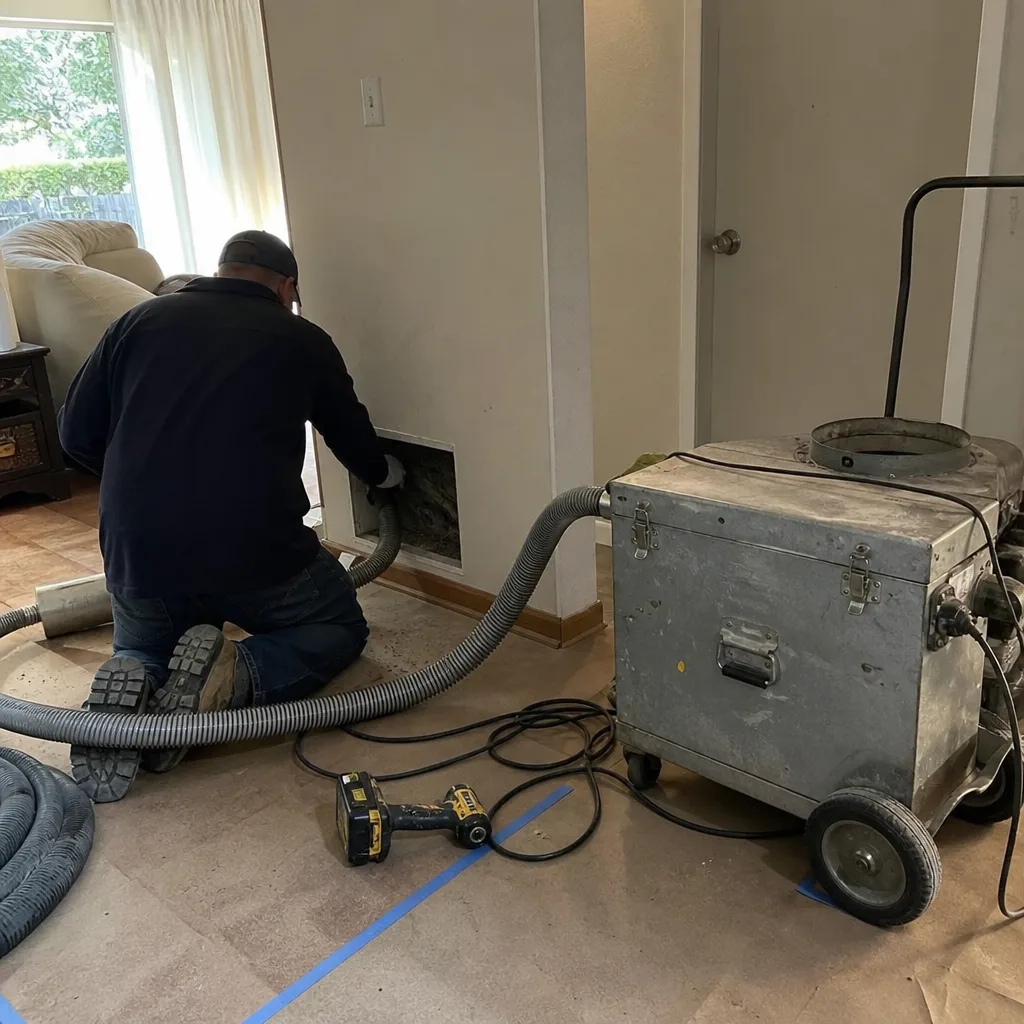
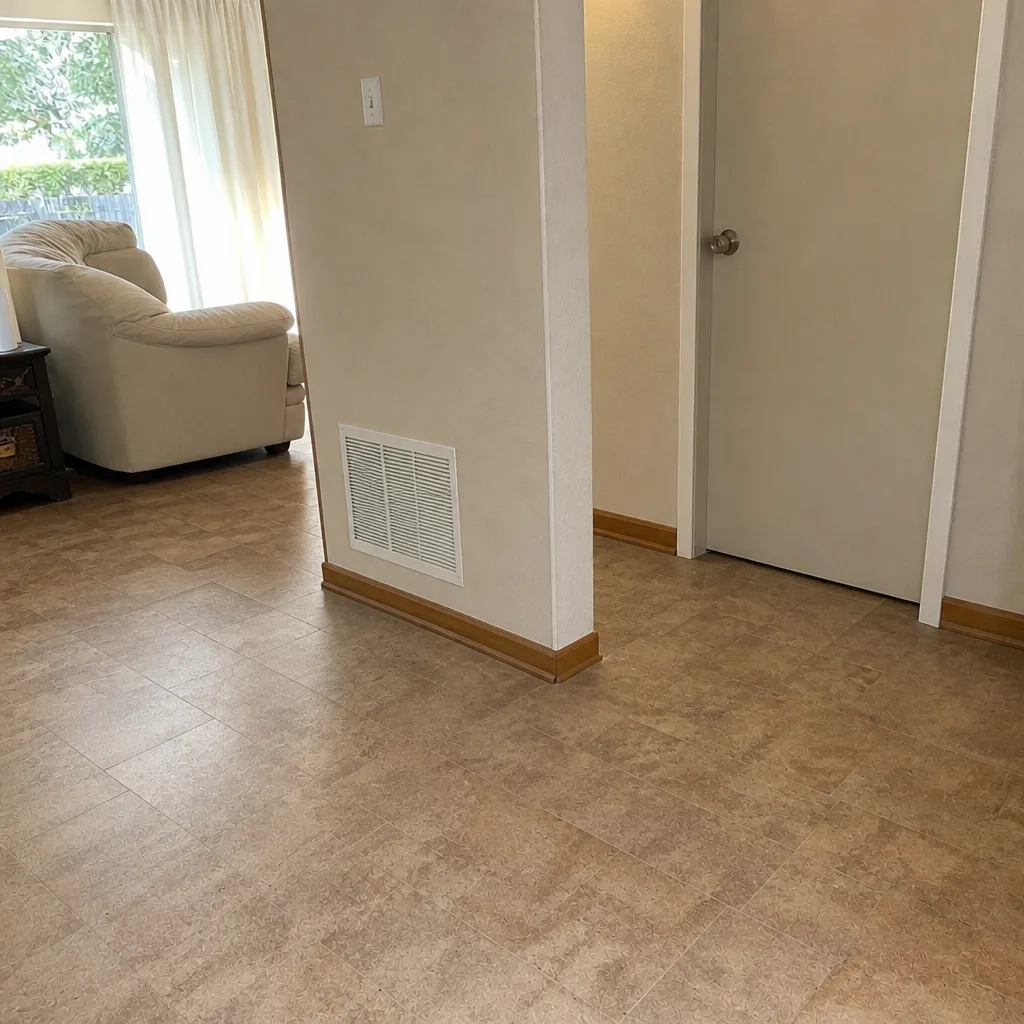
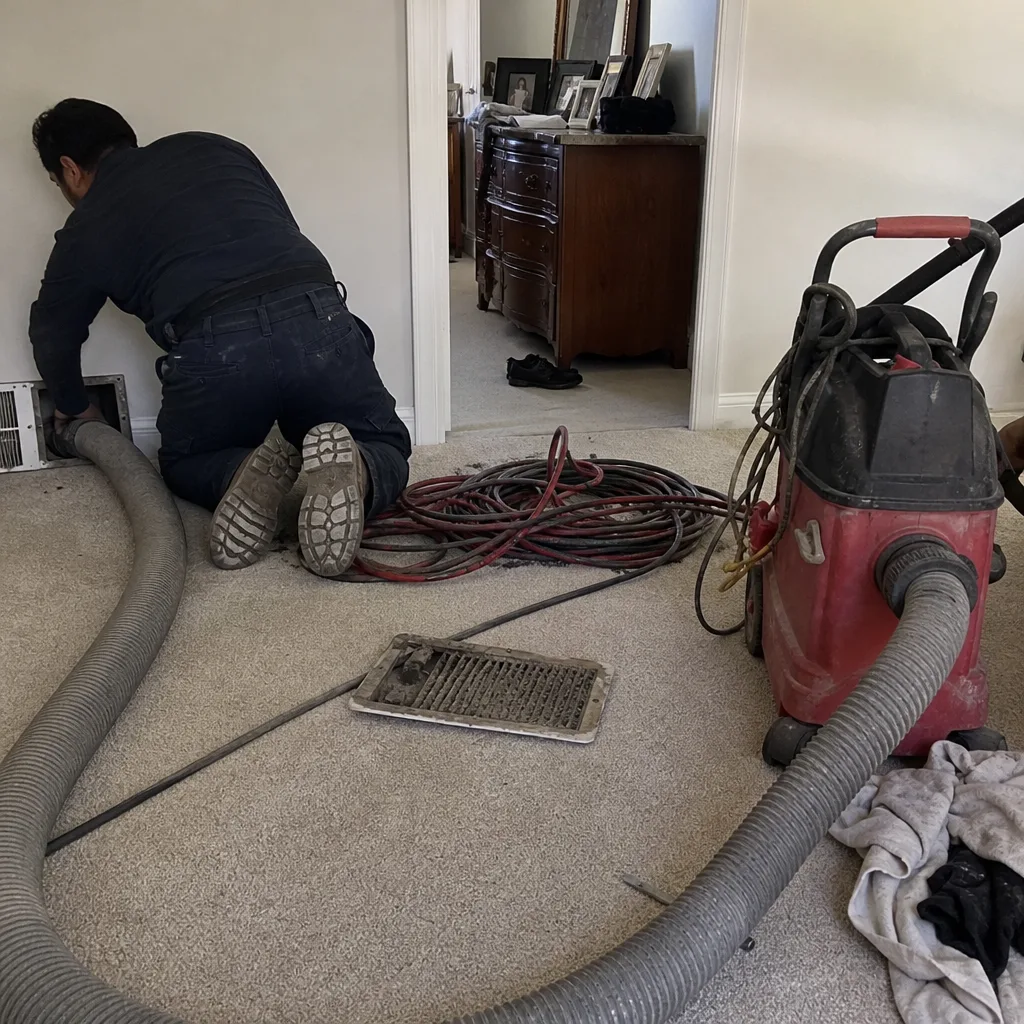
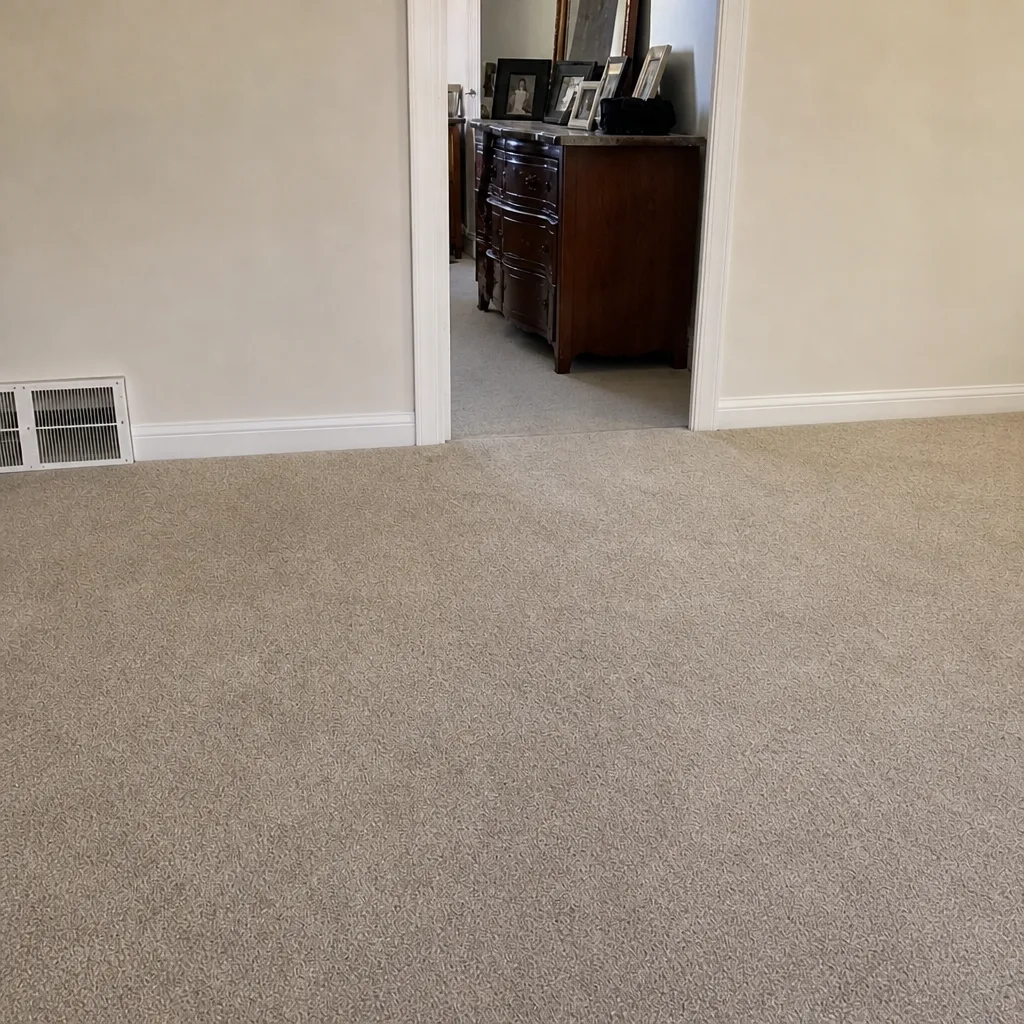
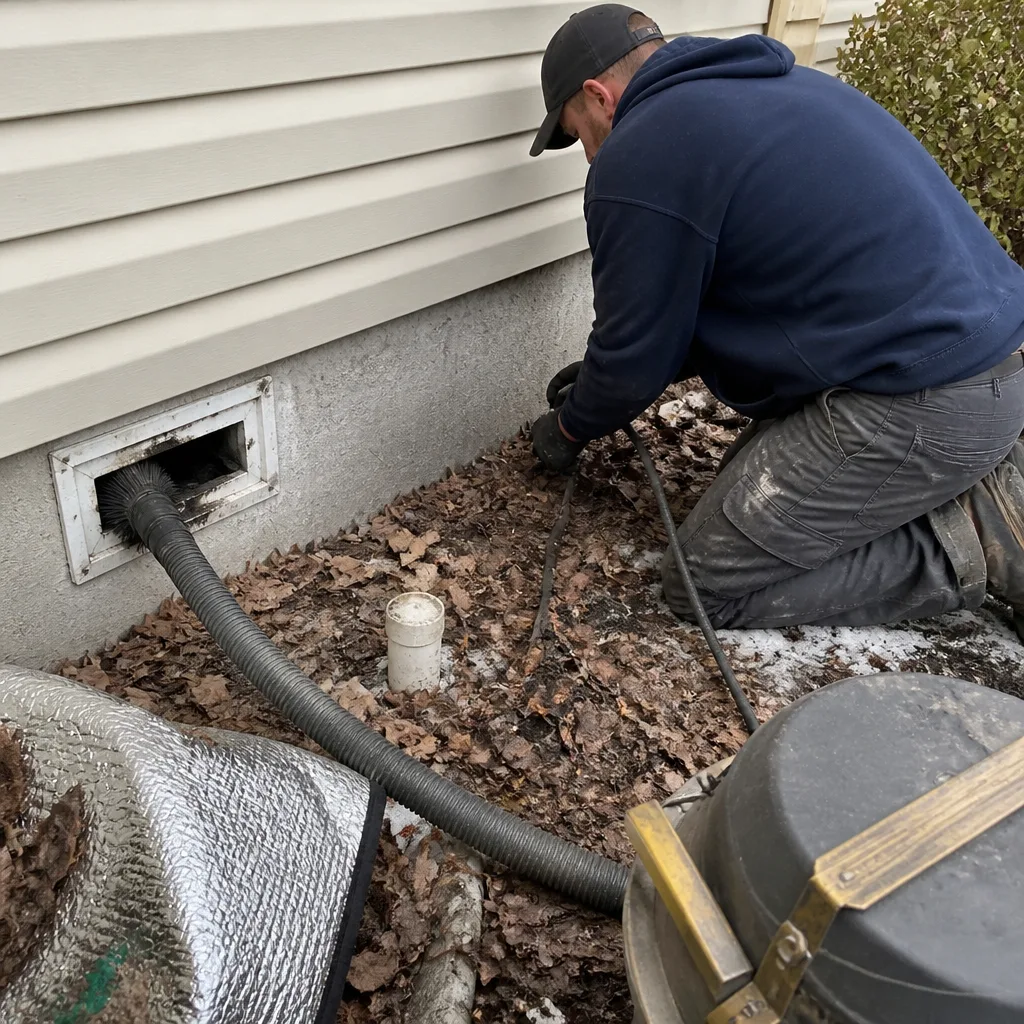
See the difference
 Before
 After
 Before
 After
 Before
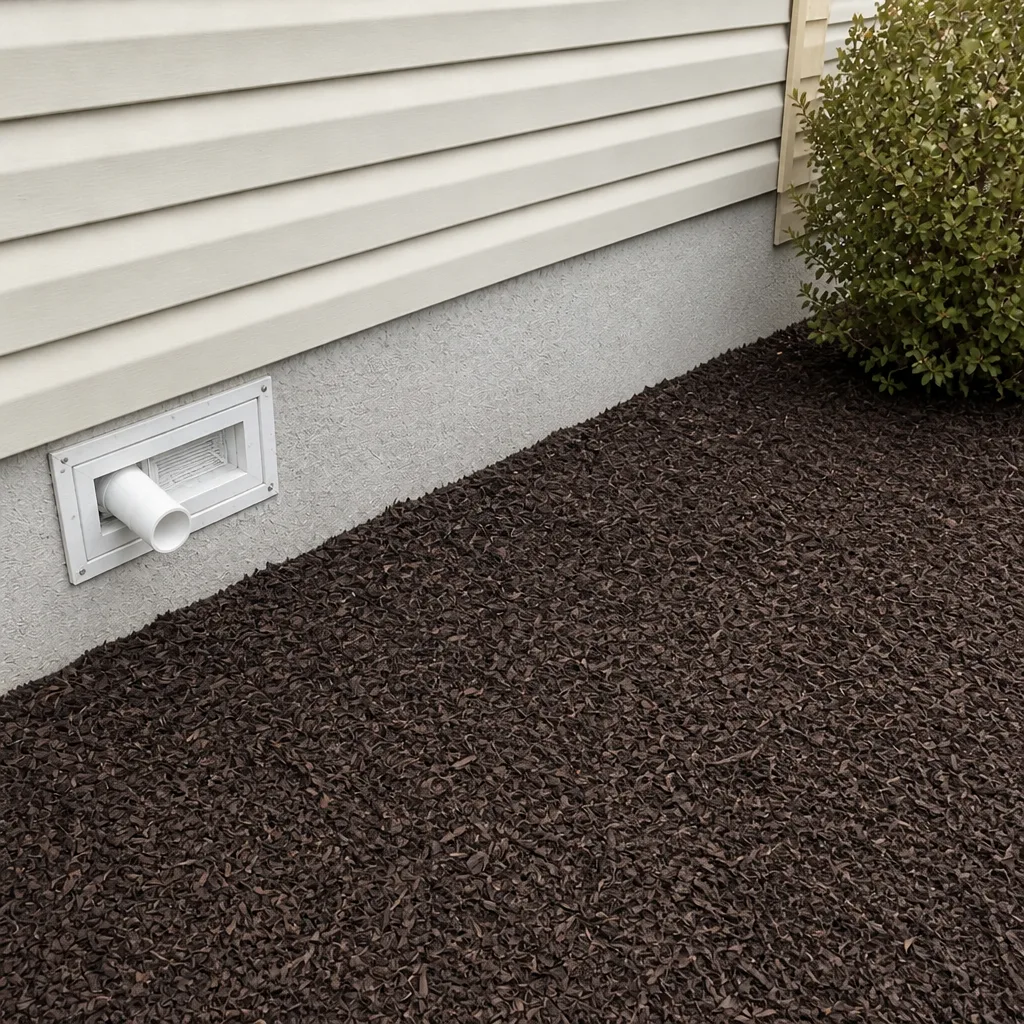 After
When to Call a Professional
Some jobs call for a professional, and the line is clearer than it looks. Call a specialist if you’ve never had the ducts cleaned and the home is older or its duct material is unknown. Call after any renovation that opened walls or generated significant drywall dust. Call if a register shows visible dust streaks, if airflow to one room has dropped noticeably, if you hear whistling or rattling at a grille, or if a smell returns after a filter change. Call if your dryer vent hasn’t been cleaned in over a year, regardless of the duct schedule. And call if a cleaning reveals ductwork that needs repair; that’s a job for a technician, not a homeowner with a brush. Duct Cleaning Spokane offers free estimates in Spokane. Call (866) 963-7098. We answer 24/7. Fast dispatch from 7am to 7pm, Sunday through Friday.
Frequently Asked Questions
Most Spokane homes should plan on professional air duct cleaning every three to five years, with the interval shortened after a heavy wildfire smoke season, a renovation, a new pet, or a move into an older home with original ductwork. Homes with several pets, several occupants, or older galvanized or ductboard systems tend to sit at the shorter end of that range. Call (866) 963-7098 for an exact quote; estimates are free.
Most homes don’t, and a yearly air duct cleaning is usually more than a typical system needs. Dryer vents are a different story and do commonly need annual cleaning. If a company is pushing a yearly air duct cleaning on every household, ask what’s actually driving that recommendation. Call (866) 963-7098 for an honest read on your system; estimates are free.
Pricing depends on the size of the system, the duct material, and the condition the technician finds on site. What matters more than the number is how the price is set: you should get a flat price for the whole system, agreed before work starts, rather than a per-vent or per-register charge that grows as the job goes on. Ask for the written estimate up front. Call (866) 963-7098 for an exact quote; estimates are free.
A low quote usually reflects lighter equipment and a shorter pass, not a better deal. Specialized cleaning systems from Rotobrush and Nikro move debris in a way a consumer-grade vacuum doesn’t, and companies that invest in that equipment price the job honestly instead of lowballing it. Ask who’s coming and what equipment they’ll use. Call (866) 963-7098 for an exact quote; estimates are free.
Ask for before-and-after photos of your own ducts, not stock photos. A company that can show you the interior condition at the start and at the end has given you a verifiable record, and it’s the single best protection against a cosmetic job. The photos also become part of your maintenance log for the next technician.
After. Remodeling, especially drywall work, loads the ducts more heavily than normal living does, so cleaning beforehand wastes the effort. Cap registers during the work, change the filter when the dust settles, and schedule the cleaning after. If the ducts weren’t protected, a cleaning is worth scheduling even if the last one was recent.
The Bottom Line
The generic three-to-five-year rule is a starting point, not an answer. In Spokane, the variables that actually matter are wildfire smoke exposure, home age and duct material, pets and occupant count, renovation activity, and the state of your filtration. Build your interval from those, use triggers like a move-in or a remodel to reset the clock, and keep a simple record of cleaning dates, equipment, and photos so the next technician has a baseline. Handle the filter and register wipe-downs yourself between visits, and keep dryer vent cleaning on its own tighter schedule. If you’re on the fence about an interval, have a specialist look before you guess. Call (866) 963-7098 for a free estimate. We answer 24/7. Fast dispatch from 7am to 7pm, Sunday through Friday.
Written by the team at Duct Cleaning Spokane.